

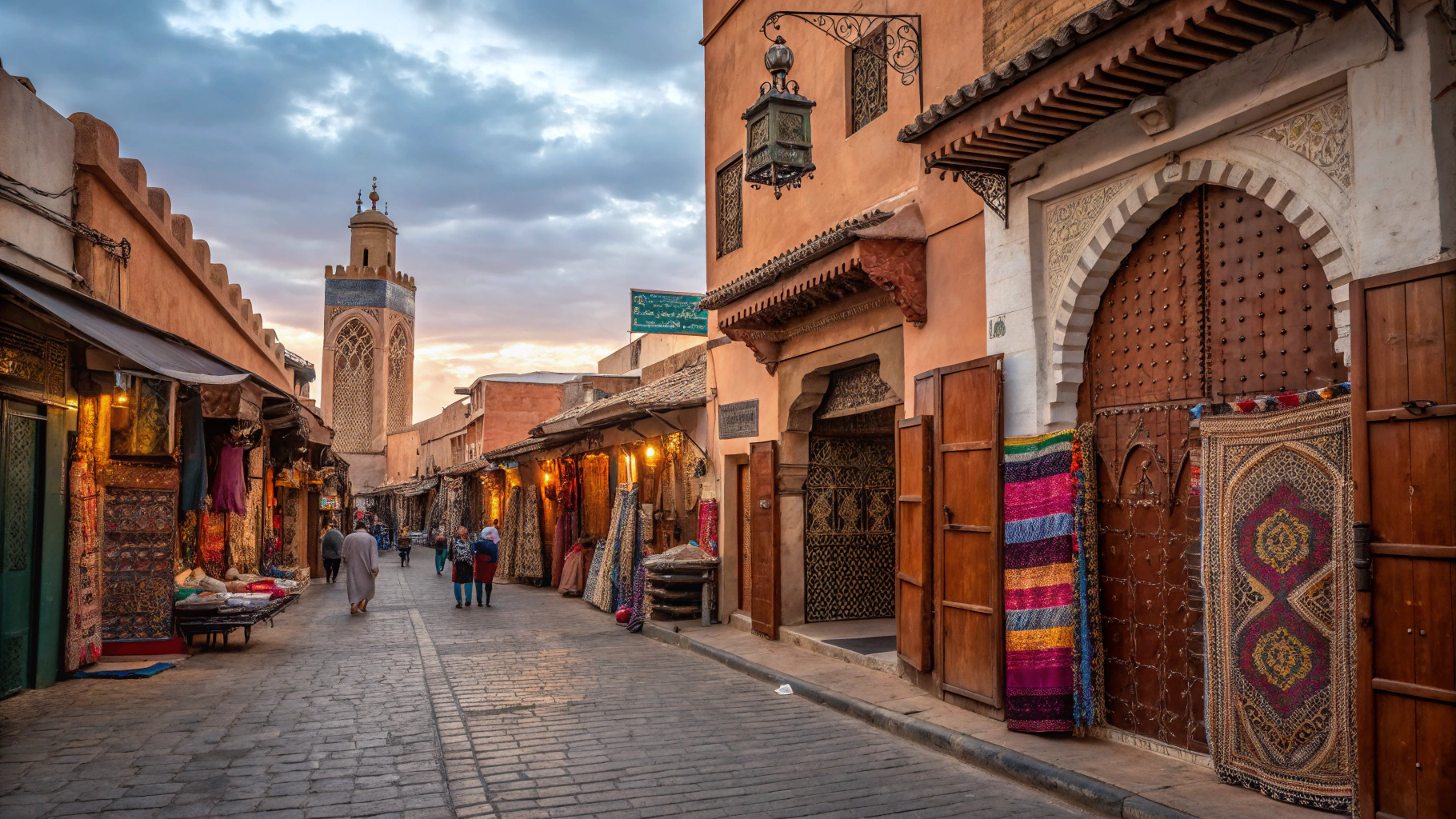
Have you ever wandered through a labyrinth where the 21st century dissolves into a thousand years of living history? In the Marrakech medina, over 70,000 artisans still practice centuries-old crafts within 19 kilometers of ancient walls. This UNESCO World Heritage site isn't just Morocco's most visited destination—attracting over 3 million tourists annually—it's a sensory portal to another time. Beyond the postcard images of spice markets and snake charmers lies a complex ecosystem where tradition and modernity perform a delicate dance. While many visitors merely skim the surface of this medieval wonderland, the true magic emerges when you venture beyond the tourist paths into neighborhoods where daily life unfolds as it has for centuries.
Destination Overview
The the central house marrakech medina dates back to 1070 CE and remains one of North Africa's most perfectly preserved medieval cities. This walled city encompasses 600 hectares with 19 distinct districts (souks) organized by trade—from metalworkers to carpet weavers. At its heart stands Jemaa el-Fna square, which UNESCO recognizes as a "Masterpiece of World Heritage" for its unique oral traditions and performing arts.
Key landmarks include the 12th-century Koutoubia Mosque with its 77-meter minaret, the opulent 19th-century Bahia Palace, and the mysterious Saadian Tombs, rediscovered only in 1917 after being sealed for centuries. The medina's 20 gates (babs) connect this enclosed world to the newer city, each telling its own architectural story.
Best Time to Visit
Marrakech experiences dramatic seasonal variations that significantly impact your experience:
- Spring (March-May): Ideal temperatures between 20-25°C with blooming gardens and 30% fewer tourists than summer. Hotel prices are approximately 15% lower than peak season.
- Fall (September-November): Similar advantages to spring with pleasant 18-27°C temperatures and reduced crowds.
- Winter (December-February): Surprisingly chilly at night (as low as 6°C) but gloriously sunny days around 18°C. Accommodation prices drop by 20-30%, except during Christmas and New Year.
- Summer (June-August): Intense heat regularly exceeds 40°C, making afternoon exploration challenging. However, this creates magical evenings when the medina comes alive after sunset.
Travel data shows April and October offer the optimal balance of weather, price, and crowd levels, with average daily expenses for travelers decreasing by approximately €30 compared to July.
How to Get There
Marrakech Menara Airport serves over 120 destinations with direct flights from major European cities (3-4 hours from London, Paris, or Amsterdam) and many Middle Eastern hubs. Upon arrival:
- Airport Transfer: Pre-booked taxis cost 150-200 MAD (€15-20) to the medina. The local bus (#19) costs just 30 MAD but doesn't enter the pedestrian-only zones.
- Train: If arriving elsewhere in Morocco, ONCF trains connect major cities to Marrakech with comfortable, affordable service (Casablanca to Marrakech: 2.5 hours, 80-150 MAD).
- Final Approach: The medina is vehicle-restricted, so your journey's last leg typically involves a short walk. Use the app "Maps.me" with downloadable offline maps for navigation within the maze-like streets.
Pro tip: Arrange accommodation that offers airport pickup, as finding addresses within the medina challenges even seasoned travelers.
Step-by-Step Itinerary
Day 1: Orientation & Main Sights
Begin at Jemaa el-Fna in the morning when it's relatively calm. Circle the square counterclockwise to visit the adjacent Koutoubia Mosque gardens before temperatures rise. By 11 AM, dive into the northern souks, following the main artisanal pathways through the spice market (Souk el Attarin) to the dyers' souk with its hanging fabrics. Break for lunch at Café des Épices for rooftop views of the action below.
Afternoon: Visit the Ben Youssef Madrasa, a 16th-century Islamic college with intricate zellige tilework. Continue to the Photography Museum to understand Marrakech's evolution over the last century. Return to Jemaa el-Fna by sunset to witness its transformation into an open-air dining festival.
Day 2: Hidden Corners & Cultural Immersion
Morning: Explore the Jewish Quarter (Mellah) with its distinctive architecture and spice markets. Visit the Bahia Palace when it opens at 9 AM to beat the crowds, then continue to the nearby Saadian Tombs.
Afternoon: Join a cooking class at Amal Women's Center, where you'll shop for ingredients in local markets before preparing traditional Moroccan dishes. The 3-hour experience typically costs 350-450 MAD and supports women's economic empowerment.
Evening: Experience a hammam (traditional bath) for cultural immersion and relaxation after days of walking. Prices range from 150 MAD at local establishments to 600+ MAD at luxury spas.
Where to Stay
The medina offers accommodations for every budget, each providing a different perspective:
- Budget-Friendly: Hostels like Equity Point (€15-25/night) or Riad Jennah Rouge (€30-45/night) offer social atmospheres and rooftop terraces within the medina walls.
- Mid-Range: Traditional riads like Riad Adore or Riad Yasmine (€80-150/night) provide architectural splendor with central courtyards and plunge pools.
- Luxury: La Mamounia or Royal Mansour (€300-1000+/night) offer opulent experiences with hammams, gardens, and impeccable service.
For families, consider properties in Kasbah or Dar El Bacha neighborhoods for slightly wider streets and easier access. Solo travelers might prefer riads near Bab Doukkala for the safer, well-lit evening walks.
Food to Try
Marrakech's cuisine reflects Berber, Arabic, and French influences:
- Tagine: Clay pot slow-cooked stews of meat or vegetables with distinctive conical lids. Try the lamb with prunes at Naranj restaurant (150-200 MAD).
- Couscous: Traditionally served on Fridays, find authentic versions at Al Fassia, renowned for its all-female kitchen (180-250 MAD).
- Street Food: In Jemaa el-Fna, stall #32 consistently wins praise for its merguez sausages and brochettes (30-50 MAD).
- Mint Tea: The national drink, ceremonially poured from height to create froth. Experience this at Café M'Rabet in a 300-year-old merchant's house.
Market data indicates travelers spend approximately 15-25% less on food in the medina compared to the modern city, with meals averaging 80-120 MAD per person.
Best Photo Spots
- Le Jardin Secret: This restored 19th-century palace offers verdant gardens and Islamic architecture with fewer crowds. Visit between 9-10 AM for optimal lighting (entry: 80 MAD).
- Tanneries: For authentic workmanship photos, visit Dar Dbagh tanneries early morning when workers are most active.
- Rooftop Cafés: Nomad or Café des Épices provide panoramic views across the medina's roofscape, particularly magical at sunset.
- Bahia Palace Courtyards: The interplay of light, shadow, and intricate tilework creates stunning images, especially between 3-4 PM when sunlight angles through the colonnades.
Common Travel Mistakes to Avoid
- Navigation Confusion: Download offline maps and pin your accommodation location before exploring. Nearly 5,000 visitors report getting significantly lost annually.
- Overpaying: Negotiate firmly but respectfully. Initial prices are often 3-5 times the local rate.
- Photography Without Permission: Always ask before photographing people. Many artisans expect 5-10 MAD for photos of them working.
- Dehydration: The average visitor walks 8-12 kilometers daily through the medina. Carry water constantly and seek shade during peak heat.
Packing & Prep Tips
Research shows successful medina visits correlate with appropriate preparation:
- Footwear: Comfortable, closed shoes for uneven surfaces and potentially messy streets.
- Conservative Clothing: Shoulders and knees covered for both men and women reduces unwanted attention by approximately 40%.
- Cash: While credit cards work in established businesses, 70% of medina transactions require cash. ATMs exist but often have withdrawal limits.
- Language Basics: Learning just 5-10 Arabic or French phrases significantly enhances interaction quality and often results in better pricing.
Local Tips & Cultural Insights
- Five Daily Calls to Prayer: These provide useful time markers throughout the day—the first signaling dawn, the last around 8-9 PM.
- Right Hand Usage: Always eat, pass items, and shake hands with your right hand, as the left is traditionally considered unclean.
- Ramadan Considerations: During this month, daytime eating options decrease by 70%, but nights become especially vibrant and festive.
- Photography Etiquette: Street photographers report that asking permission and showing subjects their image afterward leads to 90% positive interactions versus 40% when shooting without engagement.
Trip Extensions & Nearby Places
- Atlas Mountains: Just 45 minutes from the medina, Ourika Valley offers dramatic landscape contrast. Day trips cost 400-600 MAD including transport.
- Essaouira: This coastal town 2.5 hours west provides refreshing Atlantic breezes and a more relaxed medina experience. CTM buses run hourly for 80-120 MAD.
- Agafay Desert: Experience desert landscapes just 30 minutes from Marrakech, with glamping options from 900 MAD per night.
Conclusion
The Marrakech medina isn't merely a destination but a living museum where ancient traditions breathe alongside contemporary life. Its sensory intensity—from the call to prayer echoing over rooftops to the scent of mint and saffron in bustling markets—creates memories that linger long after your return home. By engaging respectfully with this complex ecosystem, visitors contribute to preserving one of the world's most extraordinary urban experiences. Whether you lose yourself in the labyrinthine alleys or find yourself in moments of unexpected tranquility, the medina offers precious insights into a civilization where hospitality remains the highest virtue. When will you answer its call?
FAQs
Is the Marrakech medina safe for solo travelers?
Yes, with appropriate precautions. Crime statistics show petty theft affects under 2% of visitors, with violent crime extremely rare. Women traveling alone should consider guided tours for initial orientation and avoid poorly lit areas after dark.
How much does a typical 3-day trip to the medina cost?
Budget travelers can manage on €50-70 daily, mid-range visitors typically spend €100-150 per day, while luxury experiences start at €250+ daily, excluding international flights.
Do I need a guide to explore the medina?
While not required, first-time visitors benefit from guided orientation. The approximately 10,000 alleyways confuse even experienced travelers. Half-day tours (250-400 MAD) provide context that enhances independent exploration afterward.
What's the WiFi situation in the medina?
Most accommodations offer reliable WiFi, but connection speeds average 5-10 Mbps versus 20+ Mbps in modern Marrakech. Local SIM cards with data (40-100 MAD) provide better connectivity while exploring.
How accessible is the medina for travelers with mobility challenges?
Unfortunately, with narrow passages, steps, and uneven surfaces, the traditional medina presents significant barriers. Less than 10% of riads offer elevator access, though the peripheral areas near Jemaa el-Fna have improved accessibility.