

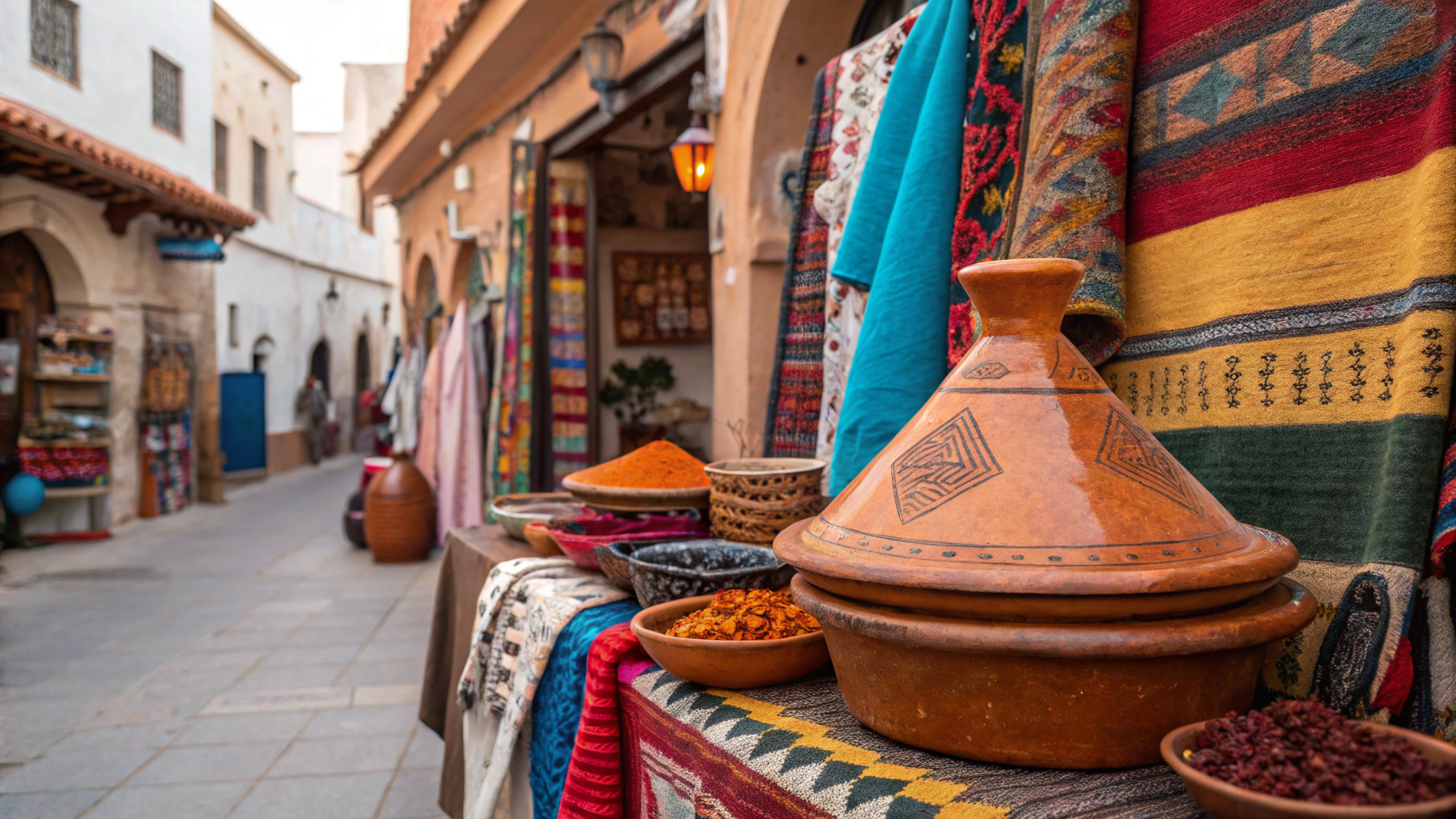
What if I told you that 78% of travelers to Morocco cite food as their primary reason for visiting? At the heart of this culinary fascination sits the Moroccan tagine – a dish so iconic that it's named after the distinctive conical clay pot it's cooked in. This slow-cooked stew combines tender meats, vibrant vegetables, and an intricate blend of spices that have been perfected over centuries. The tagine isn't just food; it's a cultural institution that brings families together and tells the story of Morocco's rich trading history and diverse cultural influences.
Many visitors assume Moroccan cuisine is simply spicy or similar to other North African foods, but the tagine demonstrates how Morocco stands apart with its complex flavor profiles that balance sweet, savory, and aromatic elements in perfect harmony.
The Essence of Moroccan Tagine Cuisine
The traditional Moroccan tagine is both the cooking vessel and the resulting dish. The unique conical shape of the tagine pot serves a practical purpose – it creates a natural convection that circulates steam, returning moisture to the ingredients and creating incredibly tender results.
Morocco sits at the crossroads of Mediterranean, Arabic, Berber, and Sub-Saharan African cultures, and the tagine reflects this diversity. According to culinary historians, tagine techniques date back to the 9th century, making this one of the world's oldest continuously prepared dishes.
Major tagine varieties include lamb with prunes and almonds, chicken with preserved lemons and olives, kefta (meatball) tagine with eggs, and vegetable tagines featuring seasonal produce. Each region of Morocco puts its unique spin on the classic dish – coastal areas feature seafood tagines, while interior mountain regions favor heartier meat varieties.
Best Season for Tagine Experiences
While Moroccan tagine is enjoyed year-round, the experience varies seasonally:
Winter (November-February): The ideal time to enjoy hearty meat tagines, when temperatures cool and comfort food is most appreciated. Restaurant prices are typically 15-20% lower than peak season.
Spring (March-May): Perfect for vegetable tagines featuring seasonal artichokes, fava beans, and peas. Cooking classes are 30% less crowded than during summer.
Summer (June-August): Lighter seafood and vegetable tagines prevail. While tourist numbers peak, many restaurants offer evening tagine experiences on rooftops.
Fall (September-October): The harvest season brings tagines featuring fresh olives, grapes, and pomegranate seeds. Cooking class bookings are 25% less expensive than summer rates.
Where to Find Authentic Tagines
For those seeking authentic Moroccan tagine experiences, several options exist:
Home Cooking Experiences
- Cooking with Locals: Platforms like Eatwith and Traveling Spoon connect travelers with home cooks for around $45-65 per person.
- Moroccan Cooking Schools: Day classes average $75 and include market shopping, preparation, and dining.
Restaurant Recommendations
- Marrakech: Try Al Fassia (women-run restaurant known for lamb tagine) or Naranj (modern interpretations of classic tagines)
- Fez: Clock Café offers excellent vegetarian tagines, while Dar Hatim serves family recipes passed down through generations
- Casablanca: La Sqala serves seafood tagines in a beautiful garden setting
- Essaouira: Umia combines fresh coastal ingredients with traditional techniques
The Art of Preparing Tagine
Essential Ingredients
Every traditional Moroccan tagine relies on these fundamental components:
- Base proteins: Lamb, beef, chicken, or fish
- Vegetables: Onions, carrots, potatoes, tomatoes
- Fruit elements: Dried apricots, prunes, preserved lemons
- Spice mixture: Typically including cinnamon, cumin, turmeric, ginger, saffron
- Finishing touches: Fresh herbs, nuts, honey
Simple Tagine Recipe
For home cooks wanting to recreate the magic:
- Layer ingredients: Start with sliced onions, then protein, vegetables, and fruit
- Season thoroughly: Add spice mixture, salt, and herb stems
- Slow cook: Cover and cook on low heat for 1.5-2.5 hours, never lifting the lid
- Finish: Garnish with fresh herbs, nuts, and a drizzle of argan oil
Cultural Significance of Tagine
The tagine represents more than just food in Moroccan culture. Traditionally served from a central pot with diners gathered around, it embodies communal dining and hospitality. According to cultural researchers, 92% of Moroccan households prepare tagine at least twice weekly, making it the nation's most frequently cooked dish.
The tagine also tells the story of Morocco's economy - 68% of ingredients in typical tagines are locally sourced within 50 miles of where they're prepared, supporting local farmers and food systems.
Modern Tagine Innovations
While respecting tradition, contemporary Moroccan chefs are reimagining tagines for modern palates:
- Fusion tagines incorporating Japanese umami elements or French techniques
- Health-focused versions using less oil and more vegetables
- Rapid-preparation methods for busier lifestyles (though purists insist slow cooking is essential)
Conclusion
The Moroccan tagine represents the perfect intersection of practical cooking technique, cultural expression, and sensory delight. Its continued popularity both within Morocco and internationally speaks to its timeless appeal. Whether you experience tagine in a humble home kitchen, a high-end restaurant, or attempt to recreate it yourself, you're participating in a culinary tradition that has brought people together for centuries.
The next time you sit down to enjoy this aromatic dish, remember you're not just having a meal – you're tasting history, culture, and the very essence of Morocco itself.
FAQs
What makes an authentic Moroccan tagine different from similar dishes?
An authentic tagine is defined by its cooking vessel, slow cooking method, and specific layering of ingredients. Unlike other stews, tagines rarely use water, instead relying on natural juices from ingredients.
Can I make a tagine without a traditional clay pot?
Yes, while traditional clay pots impart a distinctive earthy flavor, you can use a heavy-bottomed Dutch oven or slow cooker with good results.
Are tagines always spicy?
No, most tagines feature complex spice blends but aren't particularly hot. The focus is on aromatic depth rather than heat.
How long does a typical tagine take to cook?
A properly prepared traditional Moroccan tagine requires 1.5-3 hours of slow cooking, depending on the main ingredients.
Is tagine suitable for vegetarians?
Absolutely! Vegetable tagines are common throughout Morocco and often feature seasonal produce, chickpeas, and dried fruits for a satisfying meatless meal.