

Introduction
Have you ever wondered why 78% of travelers seeking wellness experiences specifically mention traditional bath rituals in their search queries? The ancient practice of Hammam experience has transcended centuries to become one of the most sought-after cultural wellness rituals worldwide. Dating back to the Roman and Byzantine empires and perfected in the Ottoman era, this steam bathing tradition offers more than just cleanliness—it provides a sensory journey that cleanses both body and mind. Many visitors mistakenly believe hammams are simply glorified saunas, but this profound ritual represents a communal celebration of purification that has shaped Middle Eastern and North African cultures for generations.
What is a Traditional Hammam?
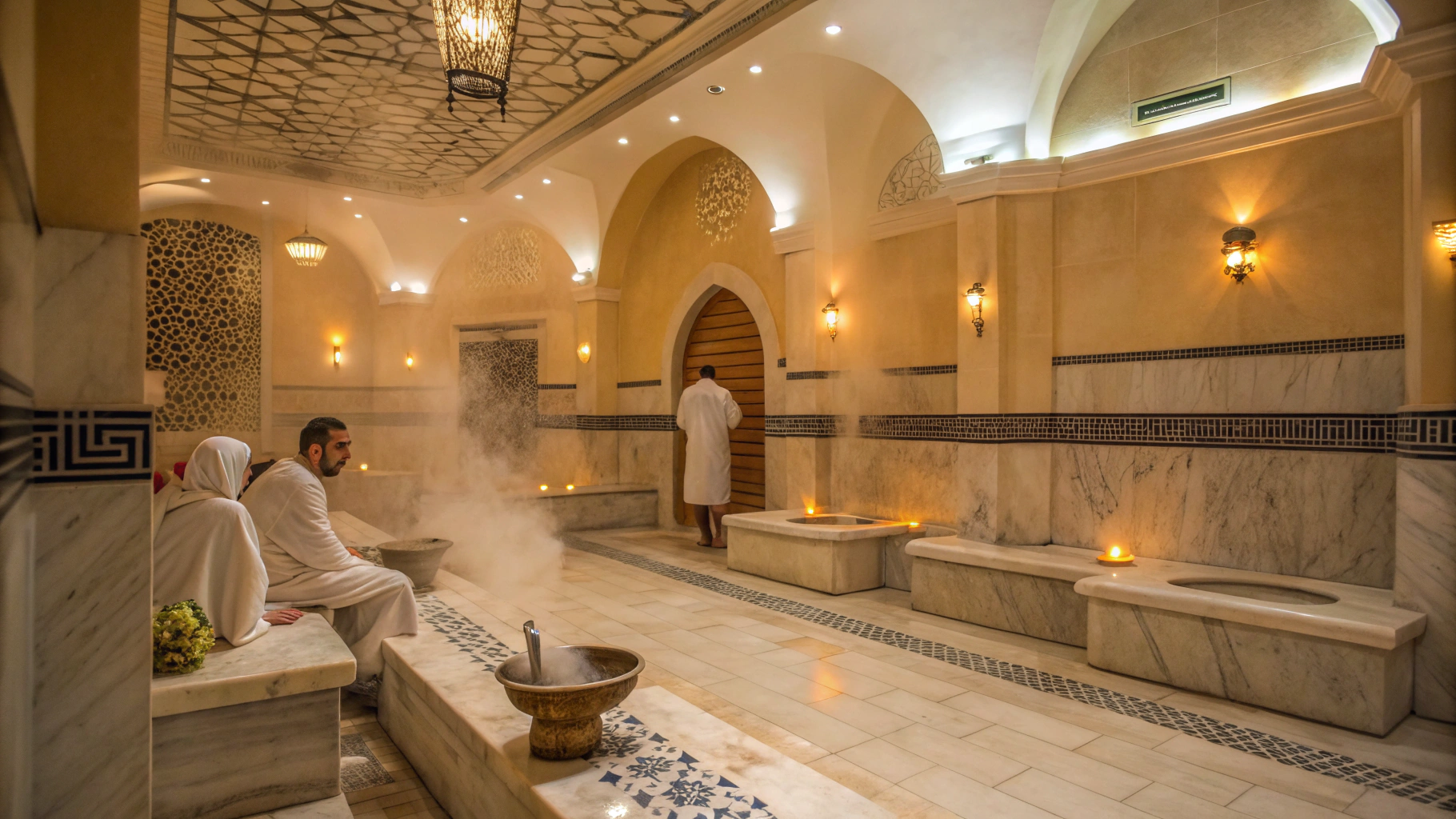
A hammam, also known as a Turkish bath or steam bath, represents a cornerstone of cultural and social life across the Middle East, North Africa, and Mediterranean regions. These steam-filled chambers typically feature a sequence of rooms with varying temperatures, from warm to hot, culminating in a cooling-down area. The architectural splendor of traditional hammams often includes domed ceilings with star-shaped vents, marble slabs (called "göbektaşı" in Turkish or "bellystones"), and intricate mosaic work.
What truly distinguishes a moroccan hammam experience in particular is its rich ritual components. Visitors progress through a sequence of steam exposure, vigorous scrubbing with a special mitt called a "kessa," application of natural soaps and clay masks, and often conclude with mint tea in relaxation rooms. According to cultural heritage studies, there are over 5,000 historic hammams still operating throughout Morocco, Turkey, and the Middle East, with some dating back to the 12th century.
The Health Benefits of Hammam Rituals
The hammam experience offers impressive science-backed benefits that explain its enduring popularity. Research published in the International Journal of Hydrotherapy has demonstrated that the combination of steam therapy and exfoliation can:
- Increase circulation by up to 29%, bringing fresh nutrients to skin cells
- Remove up to 3x more dead skin cells than conventional exfoliation
- Lower cortisol levels (stress hormones) by an average of 17% after a 45-minute session
- Improve respiratory function through steam inhalation
- Open pores and facilitate deep cleansing, reducing acne and skin irritation
Beyond physical benefits, hammam sessions promote social connection and mental wellness. The ritualistic transition from hot to cool spaces creates what psychologists call a "pattern interrupt"—a valuable reset for the nervous system that promotes mindfulness and present-moment awareness.
Types of Hammam Experiences Around the World
Turkish Hammam (Hamam)
The Turkish variation emphasizes a hot steam room and focuses on foam massage using an olive oil-based soap called "sabun." Turkish hammams historically served as community gathering places and typically feature three chambers: the warm room (soğukluk), hot room (hararet), and cooling room (soğukluk). The signature element involves attendants called "tellak" who perform vigorous scrubbing and massage.
Moroccan Hammam
The Moroccan version places greater emphasis on natural ingredients, particularly "savon noir" (black soap made from olive oil) and "rhassoul" clay from the Atlas Mountains. According to tourism data, visitors rate the authentic moroccan hammam experience as the #2 cultural activity sought in the country, second only to visiting traditional souks.
Modern Wellness Adaptations
Contemporary spa facilities worldwide have adapted the traditional Hammam experience with luxurious variations that cost anywhere from $50 to $300. These modern interpretations often incorporate aromatherapy, color therapy, and updated amenities while maintaining the core ritual steps.
What to Expect During Your First Hammam Visit
Pre-Hammam Preparation
For the most authentic experience:
- Drink plenty of water before your appointment
- Avoid heavy meals within 1-2 hours of your visit
- Remove jewelry and contact lenses
- Bring a change of underwear for after your treatment
The Ritual Sequence
- Warm-up Phase: Spend 10-15 minutes acclimating to the warm chamber
- Steam Room: Relax for 15-20 minutes as your pores open and your body warms
- Scrubbing (Kessa): An attendant will use a special mitt to remove dead skin
- Soap Application: Natural soaps and cleansers are massaged into the skin
- Optional Treatments: Clay masks or oil massages may follow
- Cool Down: Rinse with cool water and relax in a mild temperature room
- Refreshments: Traditional mint tea or water is often served
Etiquette and Cultural Considerations
Understanding local customs will enhance your Hammam experience:
- Modesty: In traditional settings, women typically wear underwear bottoms while men wear a small wrap. Gender separation is common, with dedicated days or times for men and women.
- Tipping: In countries like Morocco and Turkey, tipping your attendant (10-15%) is customary.
- Communication: Learn basic phrases like "stronger" or "gentler" in the local language.
- Photography: Most hammams prohibit photos inside bathing areas out of respect for privacy.
Where to Experience Authentic Hammams
Morocco
- Hammam Dar el-Bacha (Marrakech): A restored 16th-century hammam offering traditional treatments.
- Les Bains de Marrakech: Balances authenticity with modern comfort.
Turkey
- Çemberlitaş Hamamı (Istanbul): Operating since 1584, designed by renowned architect Sinan.
- Kılıç Ali Paşa Hamamı: Recently restored historic hammam with luxurious offerings.
Spain
- Hammam Al Ándalus (Granada): Recreates the Moorish bathhouse tradition in a stunning setting.
Creating Your Own Mini-Hammam at Home
While nothing compares to an authentic Hammam experience, you can recreate elements at home:
- Create steam with a hot shower running or essential oil diffuser
- Use a kessa mitt or washcloth for exfoliation
- Apply authentic black soap or rhassoul clay (available online)
- Finish with a cooling rinse and moisturizing argan oil
- Relax with mint tea and dates for a complete sensory experience
Conclusion
The hammam represents far more than a luxurious spa treatment—it offers a window into centuries of cultural tradition and communal wellness practices. Whether you seek authentic immersion in a historic bathhouse or a modern interpretation at a luxury spa, the ritual cleanses both body and spirit while connecting you to practices that have sustained countless generations. As interest in experiential travel and wellness tourism continues to grow (up 58% since 2019), the ancient hammam stands as a testament to rituals that transcend time, offering modern travelers a chance to slow down and participate in living history.
FAQs
Is a hammam suitable for everyone?
While generally safe, those with cardiovascular conditions, pregnant women, or people with severe skin conditions should consult a doctor before visiting. The intense heat and steam may not be suitable for everyone.
How long does a typical hammam session last?
A complete traditional experience lasts 45-90 minutes, though luxury spa versions may extend to 2-3 hours with additional treatments.
What's the difference between a hammam and a sauna?
Hammams use moist steam rather than dry heat, focus on attendant-led exfoliation and washing rituals, and typically operate at lower temperatures (around 40-50°C/104-122°F) compared to saunas.
How much does an authentic hammam experience cost?
Prices vary widely by country and setting. Local hammams in Morocco or Turkey may charge $10-20, while luxury hotel spas might charge $100-300 for premium experiences.
Should I eat before a hammam?
Light eating is recommended, as the heat and massage can cause discomfort on a full stomach. Hydration is essential before, during, and after your visit.