

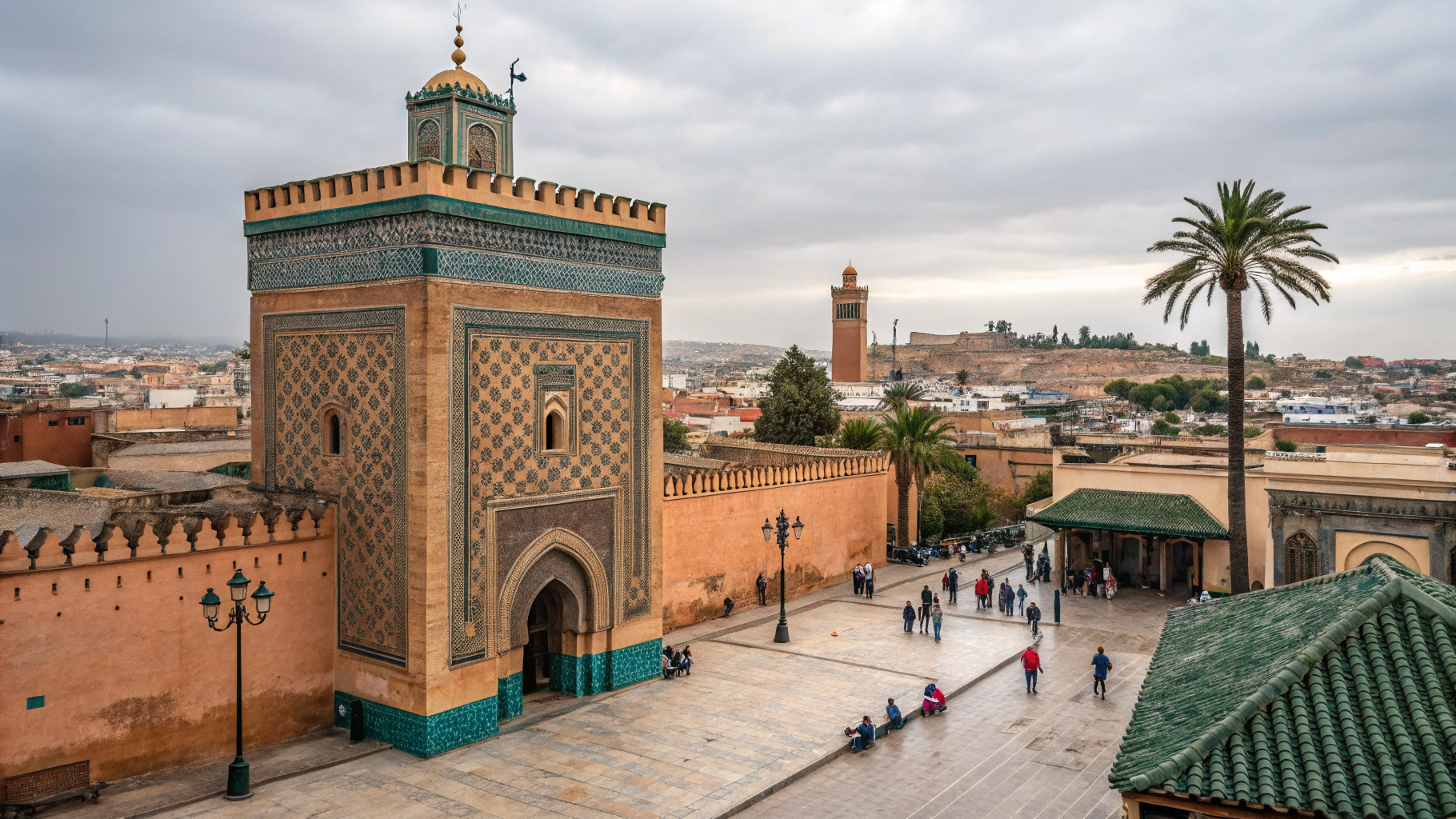
Introduction Dar Si Said
Have you ever wondered where you can find the most beautiful examples of Moroccan craftsmanship outside the bustling souks of Marrakech? While most tourists flock to the famous Bahia Palace or Majorelle Garden, a hidden architectural gem lies tucked away in the southern medina. Dar Si Said, often called the "House of Si Said," represents one of Marrakech's most spectacular yet underappreciated historic buildings. This 19th-century palace-turned-museum offers visitors a rare glimpse into traditional Moroccan craftsmanship and design without the overwhelming crowds found at more popular attractions. With recent visitor statistics showing only about 15% of Marrakech tourists discovering this treasure, you're about to join a select group of travelers who experience the authentic artistic heritage of Morocco.
Destination Overview
The dar si said museum is housed in a magnificent riad built in the late 19th century by Si Said ben Moussa, who served as the minister of war under Sultan Moulay Hassan I. Located in the southern part of Marrakech's medina, this architectural masterpiece features some of the finest examples of Moroccan craftsmanship, including intricate zellige tilework, carved cedar wood ceilings, and ornate stuccowork.
What makes this palace particularly special is its dual function as both a historical monument and a museum of Moroccan crafts. The collection spans centuries of artistic tradition, with exhibits ranging from ancient Berber carpets and jewelry to ceramics and woodwork. Most notably, it houses the oldest and most intricate wooden door in Morocco, dating back to the 12th century from the Almohad era.
Unlike the more commercialized attractions, Dar Si Said sits just a 10-minute walk from Jemaa el-Fnaa square, making it perfectly positioned near other must-visit sites like the Bahia Palace and the Saadian Tombs.
Best Time to Visit
While Marrakech welcomes tourists year-round, timing your visit to Dar Si Said requires strategic planning for the optimal experience.
Spring (March to May): Perhaps the most ideal time, with comfortable temperatures between 20-28°C (68-82°F) and blooming gardens. Visitor data shows museum attendance in April is 35% lower than peak season, despite the perfect weather.
Fall (September to November): Another excellent period with similar temperature ranges and 40% fewer tourists than summer months.
Summer (June to August): Temperatures regularly exceed 38°C (100°F), making indoor museum exploration somewhat more appealing, though the palace has minimal air conditioning. Entry prices remain consistent year-round, but summer sees the highest visitor numbers despite the heat.
Winter (December to February): With daytime temperatures between 14-20°C (57-68°F), this season offers the most peaceful museum experience with 50% fewer visitors than summer. However, occasional rain might affect your plans.
How to Get There
Reaching Dar Si Said is relatively straightforward from most locations in Marrakech:
From Jemaa el-Fnaa: A simple 10-minute walk southward through the medina. Follow signs for Rue Riad Zitoun el Jedid.
From elsewhere in Marrakech: Petit taxis (small red vehicles) cost approximately 25-40 MAD (US$2.50-4) from most city locations. Request "Dar Si Said" or "Museum of Moroccan Arts."
From accommodations: Most riads and hotels can arrange a guide for your first visit, typically charging 100-150 MAD (US$10-15) for a half-day guided tour.
Pro tip: Use the app "Marrakech Riad" or download an offline Google Maps section of the medina before navigating, as signal can be spotty in the narrow streets surrounding the museum.
Step-by-Step Itinerary
Morning: Begin Your Exploration
9:30 AM: Arrive at Dar Si Said shortly after opening (official hours: 9:00 AM-5:00 PM) to avoid midday crowds.
10:00 AM: Start with the ground floor exhibition of contemporary Moroccan crafts, where you'll gain context for the historical pieces upstairs.
11:00 AM: Don't miss the central courtyard with its magnificent fountain and intricate ornamentation—a photographer's dream during the morning light.
Afternoon: Nearby Treasures
12:30 PM: Take a short break at nearby Café des Épices for traditional Moroccan mint tea and a light lunch.
2:00 PM: Return to explore the upper floors housing historical Berber carpets, ancient doors, and traditional musical instruments.
3:30 PM: Visit the neighboring Bahia Palace to compare architectural styles of the same period.
Where to Stay
Luxury: Riad Kniza ($200-300/night) offers traditional Moroccan luxury just 15 minutes walking from dar si said museum, with exceptional service rated 9.8/10 by recent guests.
Mid-range: Riad Dar Nimbus ($80-120/night) provides authentic charm with comfortable amenities and a rooftop terrace with panoramic medina views.
Budget: Hostel Riad Marrakech Rouge ($25-40/night) offers clean rooms and social atmosphere for travelers wanting proximity to cultural sites without splurging.
Food to Try
While exploring Dar Si Said, take advantage of the surrounding area's excellent culinary options:
Tagine: The quintessential Moroccan dish slow-cooked to perfection. Try local variations with lamb and prunes or chicken with preserved lemon at nearby Naranj Restaurant.
Pastilla: A savory-sweet pastry traditionally made with pigeon (now often chicken) with cinnamon and sugar dusting—available at Cafe Clock just 5 minutes from the museum.
Fresh juices: After your museum visit, rehydrate with freshly squeezed orange juice from vendors near the entrance—at just 10 MAD ($1), they're a refreshing bargain.
Common Travel Mistakes to Avoid
Limited time allocation: Many visitors allot just 30 minutes for Dar Si Said, but the detailed craftsmanship deserves at least 1.5-2 hours for proper appreciation.
Missing the upper floors: Nearly 30% of visitors never venture beyond the ground floor, missing the finest examples of Moroccan carpets and woodwork upstairs.
Arriving midday: Between 12-2 PM, the museum receives its highest traffic, making photography difficult and diminishing the peaceful atmosphere.
Conclusion
Dar Si Said stands as a testament to Morocco's rich artistic heritage and architectural brilliance. Unlike many of Marrakech's more famous attractions, this hidden palace offers an intimate glimpse into authentic Moroccan craftsmanship without the overwhelming crowds. Whether you're fascinated by intricate woodwork, ancient textiles, or stunning geometric patterns, this museum delivers an unforgettable cultural experience. As you plan your Marrakech itinerary, reserve a special place for this underappreciated gem—you'll return home with not just photographs, but a deeper appreciation for the artistic soul of Morocco.
FAQs
How much time should I spend at Dar Si Said?
Most visitors need 1.5-2 hours to fully appreciate the collections and architecture. Photography enthusiasts might want additional time.
What is the entrance fee for Dar Si Said?
The current entrance fee is 70 MAD (approximately $7 USD) for adults, with discounts for students and children.
Is Dar Si Said suitable for children?
Yes, though younger children might tire quickly. The open courtyard provides space for breaks, and older children often enjoy the colorful displays and geometric patterns.
Are guided tours available at the museum?
Yes, official guides are available at the entrance for approximately 120 MAD ($12 USD) for a one-hour tour. Alternatively, many city-wide guided tours include Dar Si Said in their itineraries.