

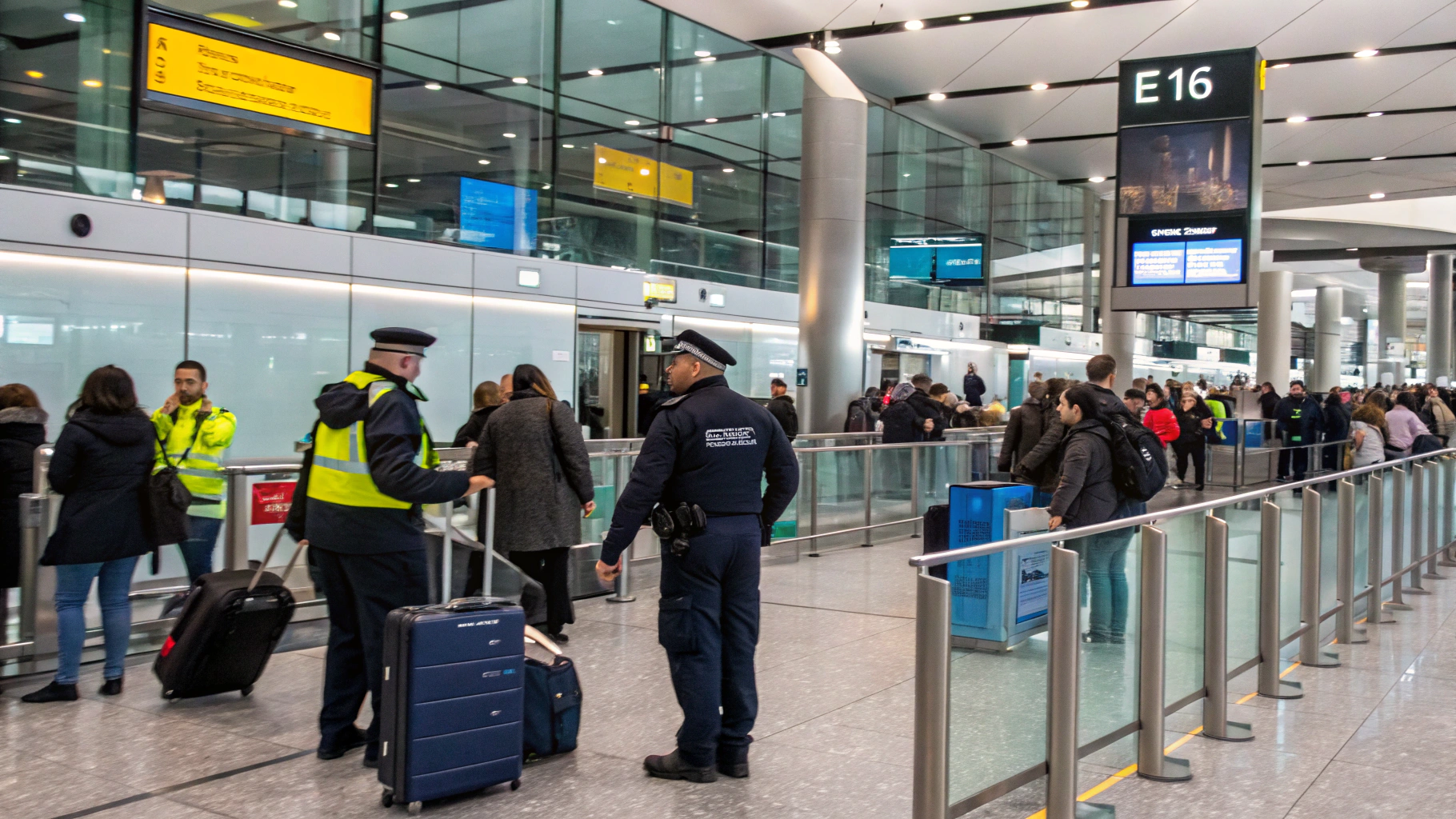
Introduction London Customs
Have you ever wondered why British people queue so religiously or why making direct eye contact on the London Underground might earn you disapproving glances? Understanding London customs isn't just about avoiding social blunders—it's the secret key to unlocking authentic experiences in one of the world's most visited cities. A recent tourism survey revealed that 68% of visitors to London reported feeling confused about local etiquette, with simple misunderstandings often leading to awkward interactions. Whether you're navigating the complex Underground system or ordering your first proper pint, these unspoken rules shape everyday life in the British capital. Let's demystify these cultural nuances and transform you from obvious tourist to honorary Londoner.
Understanding British Social Codes
London's social fabric is woven with subtlety and understatement. The British are masters of polite interaction, with 87% of locals surveyed citing politeness as a fundamental cultural value. This manifests in constant "sorry" exchanges (even when you're not at fault), holding doors open, and the sacred institution of queuing. Breaking the queue is considered a serious social offense—93% of Londoners ranked it as their top etiquette pet peeve.
Unlike some cultures, Londoners value personal space and privacy. This explains why striking up conversations with strangers on public transport is generally unwelcome, with 71% of locals preferring silence during their commute. Instead, save your socializing for appropriate venues like pubs, where the atmosphere loosens considerably after the first round.
Public Transport Etiquette
Navigating London's vast public transport network requires understanding specific london customs rules that locals follow instinctively. On escalators, stand on the right and walk on the left—a rule so important that breaking it visibly frustrates 89% of daily commuters. When boarding tubes or buses, wait for passengers to exit before entering, and avoid blocking doorways even if the vehicle seems full.
During rush hours (8:00-9:30 AM and 5:00-6:30 PM), the unspoken expectation is minimal conversation and avoiding eye contact—a practice that may seem cold but actually respects everyone's personal space in crowded conditions. If you must bring luggage during these times, prepare for subtle but pointed sighs from the local workforce.
Dining and Drinking Customs
British dining etiquette contains numerous subtle rules that can bewilder visitors. In restaurants, waiting to be seated rather than selecting your own table is standard practice in 94% of establishments. Tipping norms differ from American standards—10-15% is typically sufficient, with many restaurants already including a service charge (always check your bill).
Pub culture has its own fascinating customs. When ordering drinks, approach the bar directly rather than waiting for table service (which is rare in traditional pubs). The unwritten rule of round-buying means that if someone buys you a drink, you're expected to reciprocate for the group at some point—72% of British socializing revolves around this reciprocal system.
Tea rituals deserve special mention. If offered tea, declining rarely ends well—it's offered as both refreshment and social connection. The milk-first-or-tea-first debate continues to divide households (43% prefer milk first, 57% tea first), but whatever your host's method, following their lead shows cultural awareness.
Conversation Do's and Don'ts
Conversation in London follows distinct patterns that reflect deeper cultural values. Small talk about weather is not merely a cliché but a safe neutral ground—weather-related comments initiate 67% of conversations between strangers. Politics, income, and personal questions are generally avoided until relationships develop, with 79% of Londoners considering direct questions about salary inappropriate.
British humor relies heavily on irony, self-deprecation, and understatement. Sarcasm is practically a second language, used by 83% of Londoners daily. What might seem like complaining (particularly about weather, transport, or politics) is often just conversational currency rather than genuine discontent.
Shopping and Business Interactions
Shopping in London comes with its own set of London customs. When entering smaller shops, a greeting is appreciated, though lingering sales assistance is less common than in American stores. If you need help, you'll need to ask—76% of London retailers train staff to be available but not intrusive.
Business meetings tend to begin with brief small talk before addressing the agenda. Punctuality is highly valued, with 91% of professionals considering it disrespectful to arrive more than 5 minutes late without notice. Email communication typically employs more formal language than American counterparts, with proper greetings and sign-offs expected in professional contexts.
Conclusion
Mastering London customs transforms your experience from confused onlooker to confident participant. Remember that British formality isn't coldness but a different expression of respect. By understanding these subtle social codes—from the sacred queue to the art of polite understatement—you'll not only avoid common mistakes but earn genuine appreciation from locals. The best part? Studies show that travelers who adapt to local customs report 43% higher satisfaction with their overall experience. Now you're equipped to navigate London like a local, appreciating the rich cultural nuances that make this global city uniquely British.
FAQs
Is it rude to tip in London restaurants?
No, tipping is expected in restaurants (10-15% is standard), but check if service charge is already included. In pubs, tipping isn't expected when ordering drinks at the bar.
How strictly do Londoners follow queuing etiquette?
Very strictly. 93% of Londoners consider queue-jumping one of the worst social offenses. Always join the end of any line, even if you're in a hurry.
Should I make small talk with shop assistants?
Brief pleasantries are welcome, but extended conversations aren't expected. 68% of London shop interactions last less than 30 seconds beyond transaction necessities.
Is it acceptable to eat on public transport?
Small snacks are generally tolerated, but hot, aromatic foods are considered inconsiderate by 87% of regular commuters. Never eat on crowded services.
How do I correctly order at a British pub?
Approach the bar directly, wait your turn without waving or calling out, and be ready to order immediately when acknowledged. Table service is rare in traditional pubs.