

Introduction
Ever wondered how Londoners effortlessly zip across their sprawling city while tourists struggle with maps and ticket machines? With over 1.35 billion annual journeys on the Tube alone and a network spanning 402 square kilometers, London transport can feel like navigating a complex maze. Yet, it's precisely this extensive network that makes London one of the most accessible major cities in the world. Forget the myths about confusing connections or unreliable service—London's transport system consistently ranks among the world's best, with 85% of visitors rating it as "excellent" or "very good" according to recent Transport for London surveys. Whether you're planning your first visit or your tenth, mastering the city's transport options will transform your London experience from tourist-level frustration to local-level efficiency.
The London Transport System: An Overview
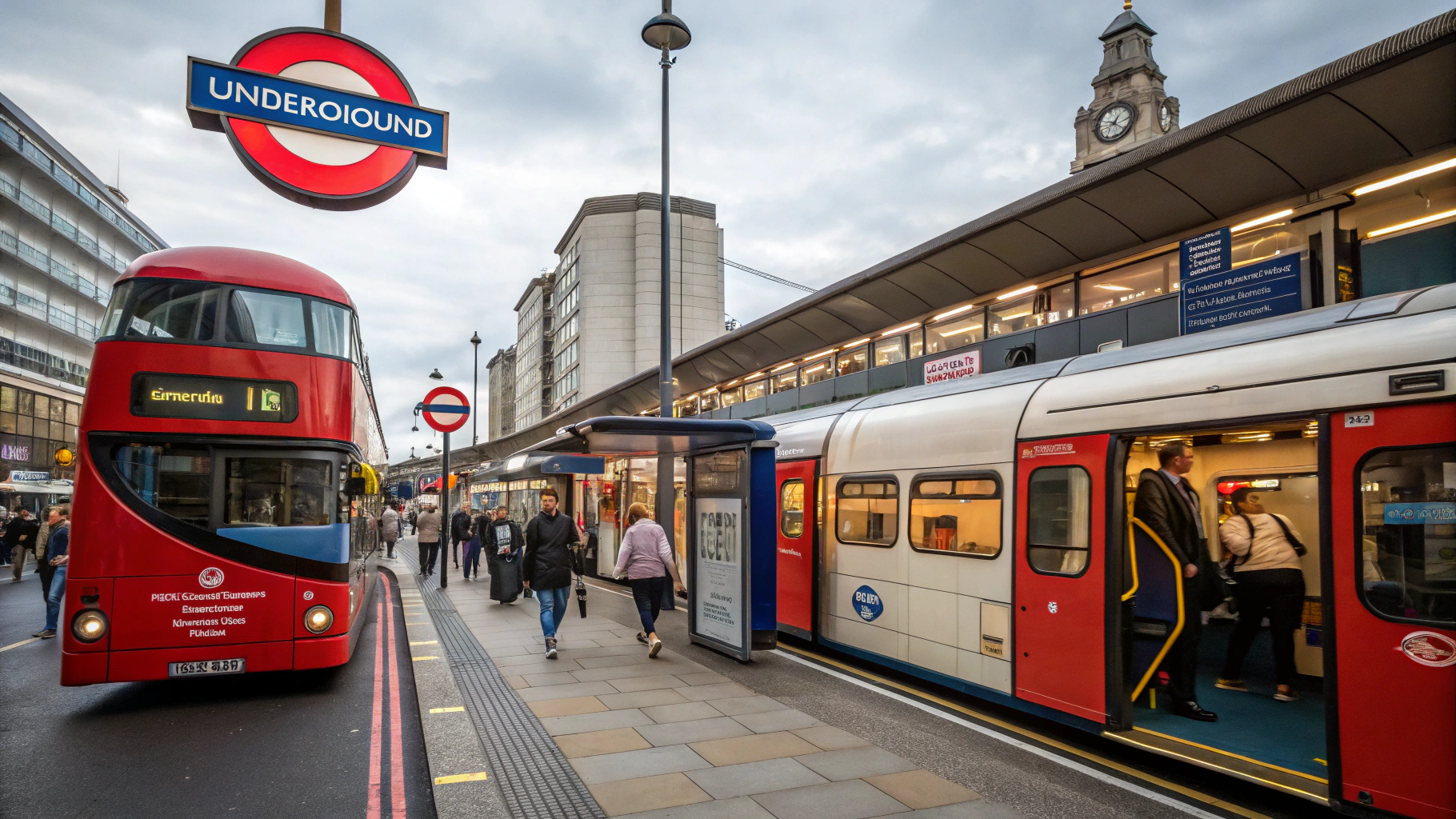
London's comprehensive transport network is managed by Transport for London (TfL) and includes the iconic Underground (the Tube), buses, trains, trams, river services, and cycle hire schemes. The system operates across london transport zones 1-9, with Zone 1 covering central London and fares increasing as you move outward.
The Tube alone features 11 lines covering 270 stations—an impressive network that carries up to 5 million passengers daily. Double-decker red buses run on over 700 routes, serving areas the Tube doesn't reach. Meanwhile, the Docklands Light Railway (DLR) and Overground provide crucial connections to outer districts, while Thames River boats offer scenic alternatives for crossing the city.
What makes London's system unique is its integration: one card (Oyster or contactless payment) works across all transport modes, with daily price caps ensuring you never pay more than necessary.
Best Time to Use London Transport
London's transport network experiences significant fluctuations in passenger volume throughout the day. The morning rush hour (7:30-9:30 AM) and evening peak (5:00-7:00 PM) see trains and buses operating at 135% capacity in central zones. During these times, journey times can increase by up to 25%.
For a more comfortable experience, travel between 10:00 AM and 4:00 PM on weekdays. Weekend service is generally less frequent but also less crowded, except around major shopping areas like Oxford Street on Saturday afternoons.
Seasonally, August sees a 15% decrease in commuter traffic as Londoners take holidays, making it an excellent time for tourists to navigate the system. Conversely, avoid rush hours during school term times (September-July), especially in September when passenger numbers spike by 12% compared to August.
Mastering Payment Options
London's transport payment system has evolved significantly, with 82% of journeys now made using contactless methods. Your options include:
Contactless Bank Cards: Simply tap your credit/debit card at yellow readers. This automatically calculates the cheapest fare and applies daily caps (currently £7.70 for Zones 1-2).
Oyster Cards: Reloadable smartcards available from any station. Require a £5 refundable deposit but offer identical fares to contactless cards.
Mobile Payments: Use Apple Pay, Google Pay, or Samsung Pay just like a contactless card.
Travelcards: Paper or Oyster-loaded passes for unlimited travel within specific zones. Best for stays of 7+ days.
Visitors should note that cash is no longer accepted on buses, and paper tickets at Tube stations cost approximately 50% more than contactless fares.
Navigating Different Transport Modes
The Underground (Tube)
The backbone of London transport, running from 5:30 AM until midnight (with Night Tube service on weekends for select lines). Download the TfL Go app for real-time updates and to plan routes that avoid line closures or maintenance work, which typically occur on weekends.
Pro tip: Stand on the right on escalators—standing on the left will quickly identify you as a tourist and earn frustrated sighs from locals.
Buses
London buses run 24/7, with night services (N-prefixed routes) when the Tube stops. The comprehensive network reaches areas the Underground doesn't, and the front seats on the upper deck offer excellent sightseeing opportunities.
Unlike the Tube, bus fares are flat-rate (£1.75) regardless of distance, and you can make unlimited bus journeys within one hour for a single fare—making them economical for short hops.
Alternatives Worth Considering
- Santander Cycles: London's bike-sharing scheme costs just £2 for unlimited 30-minute journeys within 24 hours. With 800+ docking stations, they're perfect for park routes or navigating traffic-heavy areas.
- River Bus Services: Thames Clippers connect major waterfront attractions while offering panoramic views. They accept Oyster cards and are surprisingly fast, with 14% of commuters reporting shorter journey times compared to equivalent Tube routes.
- Walking: Central London is more compact than most visitors realize. Walking between Tube stations in Zone 1 often takes less time than the Tube journey itself—Leicester Square to Covent Garden is just a 4-minute walk but frequently sees 20-minute queues for the Tube.
Money-Saving Transport Hacks
- Daily Capping: Contactless and Oyster cards automatically stop charging once you reach the daily price cap, saving frequent travelers up to 30% compared to individual tickets.
- Off-Peak Travel: Journeys starting after 9:30 AM weekdays or anytime weekends qualify for reduced off-peak fares, approximately 25% cheaper than peak rates.
- Hopper Fare: Make unlimited bus and tram journeys within one hour for a single £1.75 fare.
- Rail & Days Out Card: Visitors arriving by National Rail can get 2-for-1 entry to major attractions by presenting their train ticket.
- Avoiding Zone 1: Traveling around (rather than through) central London can reduce fares by up to 50%. The Overground's orbital route is particularly useful for this.
Transport Etiquette: Blending In With Locals
- Londoners value efficiency: have your payment card ready before reaching barriers.
- Move down inside vehicles to make space for others—standing by doors is a common tourist mistake.
- Tube journeys are typically silent affairs; keep phone conversations brief and quiet.
- Offer seats to those less able to stand, pregnant women, or elderly passengers.
- On escalators: stand right, walk left—perhaps the most sacred rule of London transit.
Common Travel Mistakes to Avoid
- Ignoring Engineering Works: Weekend Tube closures for maintenance are common. Always check the TfL website before traveling, especially on Sundays.
- Taking the Tube for Short Distances: Many central London Tube stations are just 5-10 minutes' walk apart. Check the TfL Walking Tube Map to identify walkable journeys.
- Buying Individual Tickets: Paper tickets cost approximately 50% more than contactless payments.
- Using Taxis During Rush Hour: Black cabs stuck in traffic quickly become expensive. The Tube or bikes are often faster during peak times.
- Forgetting to Tap Out: Always tap out with your payment card when exiting stations, or you'll be charged the maximum possible fare.
Conclusion
Mastering London transport transforms your experience from tourist to temporary local. By understanding the integrated network, payment options, and insider tips, you'll navigate London with confidence and efficiency. The system's complexity becomes its greatest strength once you understand its rhythms. Download the TfL Go app, grab a contactless payment method, and embrace London's world-class transport network—it's your key to experiencing the city authentically, economically, and stress-free.
FAQs
How much should I budget daily for London transport?
With daily capping, expect to spend £7.70-£15.20 per day depending on which zones you visit. Staying within Zones 1-2 (central London) costs £7.70 maximum per day using contactless payment or Oyster.
Is London transport accessible for disabled travelers?
About 30% of Tube stations have step-free access. Buses are 100% accessible with ramps and priority seating. The TfL Access guide provides detailed accessibility information for all stations and routes.
How do I travel from Heathrow Airport to central London?
Options include the Tube (Piccadilly Line, 50-60 minutes to central London, £5.50), Heathrow Express (15 minutes to Paddington, £25), or Elizabeth Line (30 minutes to central London, £11.50).
Is it worth buying the London Pass for transport?
The London Pass with travel option includes a Travelcard, but calculating separate costs often works out cheaper unless you plan to visit many included attractions.
How late does London transport run?
The Tube typically runs 5:30 AM to midnight (with Night Tube on weekends for select lines). Buses operate 24/7, with comprehensive night bus services. The last Underground train times vary by station and are displayed on platform information boards.