

Introduction
Did you know that over 300,000 visitors explore the medieval wonders of Manchester Cathedral each year, yet most Mancunians walk past this architectural masterpiece without realizing it contains Britain's widest nave of any cathedral? Standing quietly amid Manchester's bustling modern cityscape, this 600-year-old Gothic beauty has witnessed the transformation of a small medieval town into a global industrial powerhouse. While tourists flock to London's St. Paul's or York Minster, Manchester's sacred treasure remains somewhat of a hidden gem, offering a less crowded but equally magnificent glimpse into England's rich religious heritage and artistic splendor.
Destination Overview
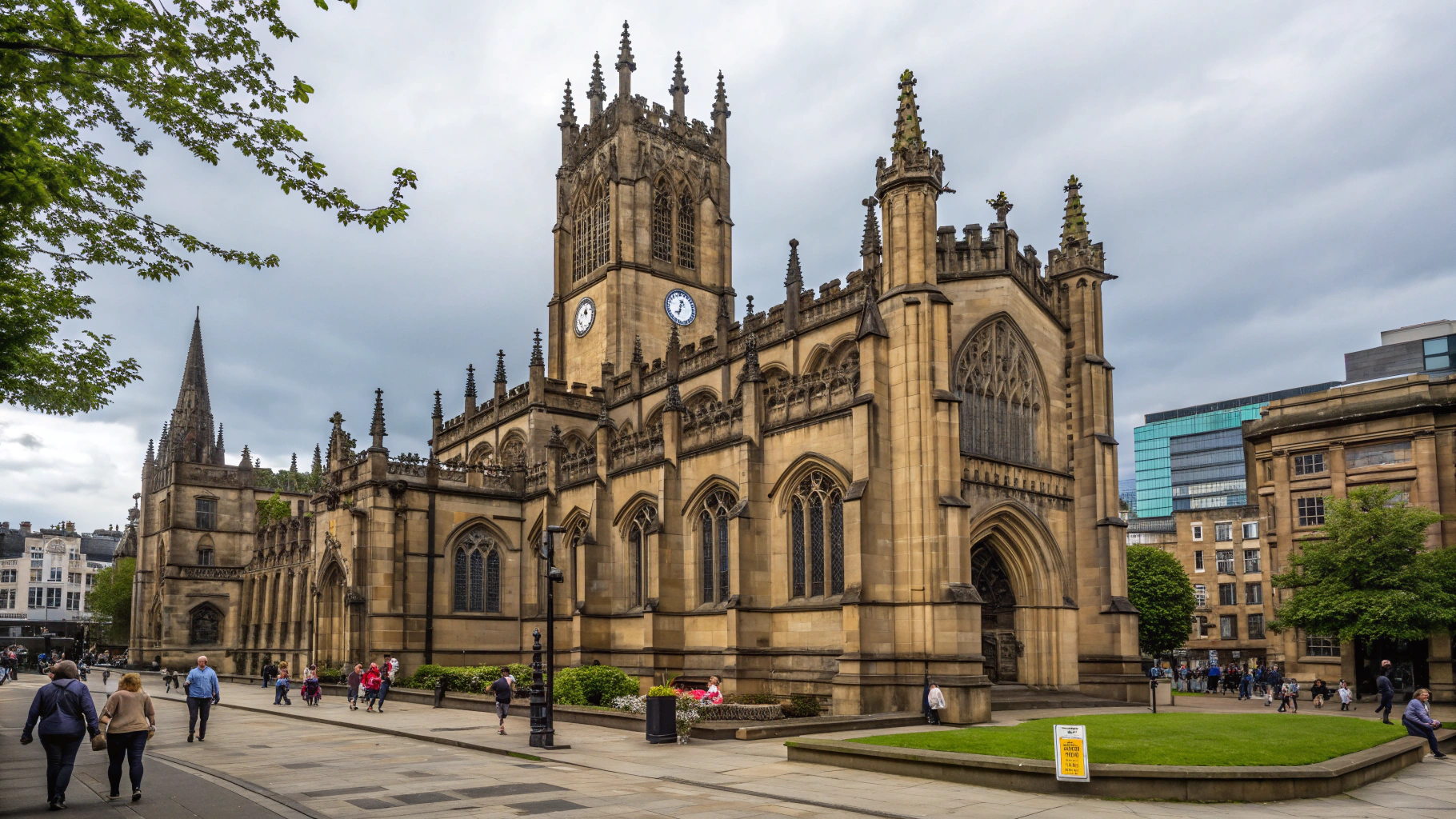
Manchester Cathedral sits at the heart of Manchester's Medieval Quarter, a stunning contrast to the contemporary buildings that now dominate the city's skyline. Built primarily between 1421 and 1506, the cathedral features exceptional Gothic architecture, including magnificent medieval choir stalls with some of the finest misericords (hidden carvings) in Europe. The cathedral's stained glass is particularly noteworthy - while many original windows were destroyed during World War II bombings and the 1996 IRA bomb, the modern replacements include the breathtaking Fire Window by Tony Holloway and the striking Healing Window.
Visitors can also explore the adjacent Chetham's Library (the oldest public library in the English-speaking world), the National Football Museum, and the vibrant shops and restaurants of the Northern Quarter, all within a 10-minute walk.
Best Time to Visit
Manchester Cathedral welcomes visitors year-round, but timing your visit can significantly enhance your experience:
- Spring (April-May): Ideal for photography as natural light streams through the stained glass, creating colorful patterns across the stone floors. Visitor numbers are 30% lower than summer months.
- Summer (June-August): Peak tourist season with extended opening hours, but expect more crowds, especially during manchester cathedral events like the summer music festival.
- Christmas Season: The cathedral's candlelit carol services and Christmas markets create a magical atmosphere, though accommodation prices increase by approximately 40% during this period.
- January-February: The quietest period with the fewest tourists, offering a more contemplative experience and better opportunities for unobstructed photography.
How to Get There
The cathedral's central location makes it exceptionally accessible:
- By Train: Manchester Victoria station is directly adjacent to the cathedral (2-minute walk). Trains arrive regularly from across the UK with London journeys taking approximately 2-2.5 hours.
- By Tram: The Metrolink stops at Exchange Square, just a 3-minute walk away.
- By Bus: The free Manchester city center shuttle stops nearby, connecting major transport hubs.
- By Car: Multiple parking options exist, though the NCP Manchester Arena car park (£15-20/day) offers the closest proximity at just 5 minutes' walk.
Download the Transport for Greater Manchester app for real-time public transport information and the Uber app for convenient taxi services.
Step-by-Step Itinerary
Morning Exploration (10am-12pm)
Begin your visit with a free guided tour (offered daily at 10:30am) to gain fascinating insights into the cathedral's history and architectural features. The knowledgeable volunteer guides bring the stone to life with tales of medieval craftsmen, religious upheavals, and modern-day renovations. Afterward, spend time examining the exquisite choir stalls and misericords, which date back to 1506 and feature over 40 unique carvings ranging from mythical creatures to scenes of everyday medieval life.
Afternoon Activities (12pm-3pm)
After exploring the main cathedral, visit the Regiment Chapel, which honors the Manchester Regiment with moving memorials and artifacts. Then head to the Chapter House, where you can enjoy tea and light refreshments while admiring its elegant architecture. Complete your cathedral experience with a visit to the gift shop, which supports cathedral restoration through sales of locally crafted souvenirs and unique religious items.
Where to Stay
The cathedral's central location provides excellent accommodation options for every budget:
- Luxury: The Lowry Hotel (£180+/night) offers five-star comfort just a 7-minute walk from the cathedral, with river views and an acclaimed restaurant.
- Mid-range: Motel One Manchester-Royal Exchange (£89-120/night) provides stylish, modern rooms just 5 minutes from the cathedral.
- Budget: YHA Manchester (£30-60/night) sits a pleasant 15-minute walk away along the Rochdale Canal, offering clean dormitory and private rooms.
Families should consider the Roomzzz Manchester Corn Exchange aparthotel, which provides kitchen facilities and extra space, while solo travelers might prefer the social atmosphere of Selina NQ1 Manchester.
Food to Try
The cathedral's Proper Tea café offers excellent British afternoon tea with locally sourced ingredients. Within a 5-minute walk, you'll find:
- The Old Wellington: Manchester's oldest building (1552) serving traditional British pub fare including Lancashire hotpot and Manchester tart.
- Corn Exchange: Home to diverse dining options from Vietnamese to Italian in a beautifully restored Edwardian building.
- Manchester Arndale Food Market: Sample local specialties like Bury black pudding, Manchester eggs, and Eccles cakes from independent vendors.
Best Photo Spots
Capture the cathedral's beauty from these prime vantage points:
- Cathedral Gardens: The modern landscaped area provides the perfect frontal view, especially at sunset when the stone glows golden.
- The Nave: Photograph the dramatic ceiling vaults from below, ideally during morning hours when light streams through the east windows.
- The Quire: The intricate wooden choir stalls photograph beautifully with natural light (tripods typically not permitted inside).
- River Irwell Bridge: For a unique perspective showing the cathedral against Manchester's modern skyline.
Common Travel Mistakes to Avoid
- Assuming the cathedral is always open: While generally accessible, services and special manchester cathedral events sometimes restrict visitor access. Check the website before visiting.
- Missing the hidden details: Don't rush through—look for the Angel Stone (dating from 700 AD), the hidden Green Man carvings, and the modern Fire Window commemorating the 1996 bombing.
- Forgetting a donation: While entry is free, the cathedral's preservation relies on visitor contributions (suggested £3).
Conclusion
Manchester Cathedral stands as a testament to six centuries of faith, artistry, and resilience in a city constantly reinventing itself. Whether you're drawn by architectural interest, spiritual connection, or historical curiosity, its ancient stones offer a profound contrast to Manchester's industrial and post-industrial identities. Take time to discover this overlooked treasure—it's not just a monument to the past but a living, breathing part of Manchester's vibrant present.
FAQs
Is Manchester Cathedral free to enter?
Yes, entry to the cathedral is free, though donations are greatly appreciated to support ongoing preservation efforts.
How long does it take to visit Manchester Cathedral?
Most visitors spend 1-2 hours exploring the cathedral. Adding a guided tour (30-45 minutes) enhances the experience.
Can you attend services at Manchester Cathedral as a tourist?
Yes, visitors are welcome to attend services, though photography and touring are not permitted during worship.
What are the most notable manchester cathedral events?
The cathedral hosts regular concerts, choir performances, and seasonal events including Christmas carol services, Easter celebrations, and the summer music festival.
Is Manchester Cathedral accessible for visitors with mobility challenges?
Yes, the cathedral has wheelchair access, an accessible toilet, and hearing loops available for services and tours.