

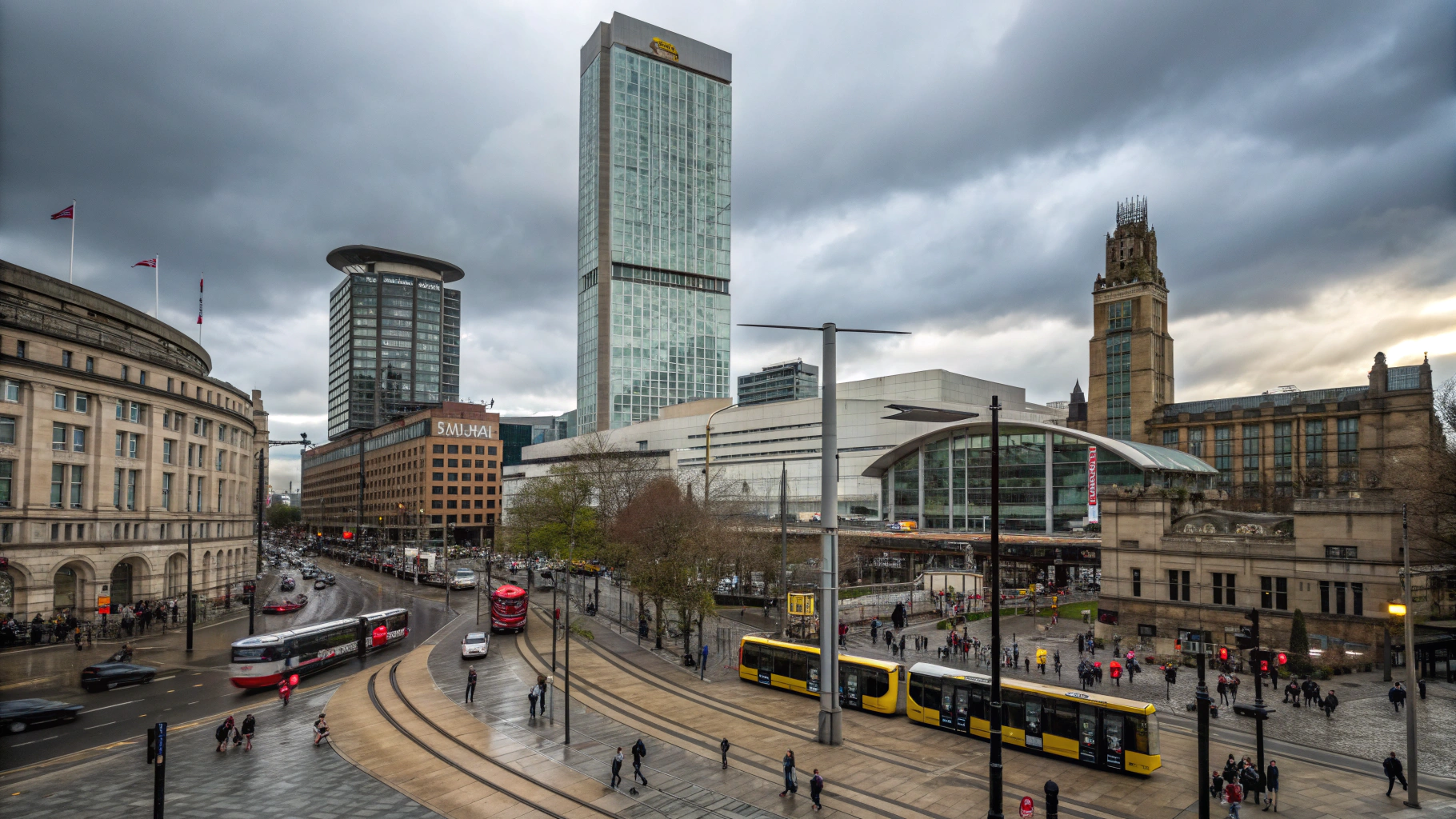
Introduction
Did you know that Manchester was the world's first industrialized city, transforming from a small market town into a powerhouse that changed global commerce forever? Today, Manchester city centre stands as a vibrant testament to this revolutionary past while embracing its future as one of the UK's most dynamic urban centers. With over 8 million visitors annually exploring its compact but culture-packed streets, Manchester has evolved from its industrial roots into a playground of historic architecture, cutting-edge arts, world-class shopping, and innovative dining experiences. Whether you're hunting for trendy Northern Quarter cafés or marveling at neo-Gothic masterpieces, this city rewards explorers at every turn.
🗺️ Destination Overview
Manchester's compact city center delivers an impressive concentration of experiences within walking distance. The city elegantly balances Victorian grandeur with bold contemporary design, creating a uniquely Mancunian aesthetic. At its heart stands the magnificent Manchester Town Hall, a neo-Gothic masterpiece that reflects the city's 19th-century confidence and prosperity.
The city divides into distinct characterful districts: the sleek corporate glass of Spinningfields contrasts with the independent spirit of the Northern Quarter, while the historic canals of Castlefield offer peaceful respite from urban energy. Manchester's transformation continues with major developments like the £1.5 billion Mayfield project adding new green spaces to the urban landscape.
Must-visit landmarks include the John Rylands Library (a cathedral to literature), Manchester Cathedral (dating to 1421), and the ultra-modern HOME arts complex. Science enthusiasts shouldn't miss the Science and Industry Museum, housed in the world's oldest surviving railway station.
🕐 Best Time to Visit
Manchester's climate offers distinct seasonal experiences:
Spring (March-May): Ideal for city exploration with mild temperatures (10-15°C) and blooming gardens. Hotel rates in April run about 15% lower than summer peaks.
Summer (June-August): The busiest season with temperatures averaging 14-21°C and extended daylight for exploring. The city comes alive with festivals, including the International Festival (every two years) and Manchester Pride in August.
Autumn (September-November): Experience beautiful foliage in the city parks while enjoying 30% lower accommodation rates than summer. The average temperature ranges from 8-15°C.
Winter (December-February): Manchester transforms with Christmas markets and festive lighting. Though temperatures hover between 2-7°C, indoor attractions and cozy pubs provide plenty of warmth. January offers the best hotel deals, with rates up to 40% lower than peak season.
For value and pleasant weather, May and September offer the optimal balance of comfortable conditions and reasonable pricing.
✈️ How to Get There
By Air: Manchester Airport serves over 210 destinations worldwide and sits just 14km from the city center. The 20-minute train journey to Manchester Piccadilly costs £3-7, while taxis charge approximately £25-30.
By Train: Manchester's excellent rail connections include direct services from London (2.5 hours), Edinburgh (3.5 hours), and Birmingham (1.5 hours). Book 12 weeks in advance through National Rail for savings of up to 60%.
By Bus: National Express and Megabus offer affordable options from major UK cities, with fares starting around £5 for advance bookings.
Local Transport: Download the free Transport for Greater Manchester app for real-time public transport information. The free Metroshuttle bus connects major locations within the center, while the Metrolink tram system provides efficient access to wider city areas.
📆 Step-by-Step Itinerary
Day 1: Historic Manchester
Morning: Begin with Manchester Cathedral (free entry) before walking to the medieval Chetham's Library (the UK's oldest public library). Continue to the People's History Museum to understand the city's role in democracy and workers' rights.
Afternoon: After lunch at Mackie Mayor food hall, explore the striking John Rylands Library on Deansgate. Then visit the Science and Industry Museum to discover Manchester's industrial innovations.
Evening: Enjoy pre-dinner drinks at The Briton's Protection (one of Manchester's oldest pubs with 300+ whiskeys) before dining at Albert's Schloss, a Bavarian-inspired restaurant with live entertainment.
Day 2: Contemporary Culture
Morning: Start in the Northern Quarter, Manchester's creative hub. Browse independent shops like Afflecks Palace and Oklahoma, then enjoy specialty coffee at Takk or Foundation Coffee House.
Afternoon: Visit Manchester Art Gallery (free entry) for both classical and contemporary works. Then explore the cutting-edge exhibitions at HOME arts center.
Evening: Experience Manchester's famous music scene at Band on the Wall or Night & Day Café, venues that have launched countless careers.
Day 3: Modern Manchester
Morning: Begin at Spinningfields, Manchester's upscale business district. Visit the People's History Museum before walking along the regenerated Irwell River.
Afternoon: Shop at the iconic Trafford Centre (a 20-minute tram ride) or explore the high-end stores of New Cathedral Street and King Street.
Evening: Indulge in Manchester's burgeoning fine dining scene at Mana (Manchester's only Michelin-starred restaurant) or The French at The Midland Hotel.
🛏️ Where to Stay
Hotels in Manchester city centre cater to every budget and preference:
Luxury: The Stock Exchange Hotel (housed in a stunning Edwardian building with rooms from £180) and Hotel Gotham (art deco opulence from £150) offer distinctive high-end experiences.
Mid-range: Motel One Manchester Piccadilly provides stylish modern rooms from £89, while the Kimpton Clocktower combines Victorian grandeur with contemporary comfort from £120.
Budget: Ibis Manchester Centre offers clean, functional rooms from £55, while YHA Manchester provides dormitory accommodation from £20 in a canalside location.
Alternative: For longer stays, Native Manchester apartments in a converted warehouse offer kitchen facilities and more space from £110 per night.
🍽️ Food to Try
Manchester's food scene reflects its diverse population and innovation:
Manchester Egg: A local twist on the Scotch egg, featuring a pickled egg wrapped in black pudding and sausage meat. Try it at The Castle Hotel.
Lancashire Hotpot: This hearty lamb stew represents traditional regional cuisine. The best version is at Mr Thomas's Chop House.
Eccles Cake: Sweet pastry filled with currants, best enjoyed at Pollen Bakery in Ancoats.
Curry: Manchester's "Curry Mile" in Rusholme features over 70 South Asian restaurants. Try Mughli for contemporary Indian cuisine.
Craft Beer: Manchester's brewing renaissance has produced exceptional local breweries. Visit Cloudwater Brew Co. or Track Brewing taprooms to sample award-winning beers.
📸 Best Photo Spots
John Rylands Library: Capture the Neo-Gothic interior staircase between 10am-12pm when light streams through the windows.
Manchester Town Hall: The imposing Victorian Gothic architecture looks spectacular at sunset.
Northern Quarter Street Art: Constantly changing murals provide colorful backdrops, particularly around Stevenson Square.
Canal Street: The illuminated canal bridges create magical evening reflections.
Media City Footbridge: For panoramic skyline views, especially during blue hour (30 minutes after sunset).
Pro tip: The Manchester Skyliner app provides routes to the best architectural photo opportunities throughout the city.
⚠️ Common Travel Mistakes to Avoid
Underestimating Walking Distances: While compact, exploring multiple districts on foot can be tiring. Use the free city center bus service between major attractions.
Ignoring Weather Preparation: Manchester's changeable climate means you should always carry a light raincoat, regardless of forecast.
Missing Pre-Booking Opportunities: Popular restaurants like Hawksmoor and Dishoom often require reservations 2-3 weeks in advance.
Only Visiting Football Stadiums: While Manchester United and Manchester City tours are popular, they're located outside the center and represent just one aspect of Manchester's culture.
Confusing Shopping Areas: The Arndale Centre offers mainstream shopping, while the Northern Quarter specializes in independent retailers – know which experience you're seeking.
🧠 Local Tips & Cultural Insights
Mancunian Slang: Locals might greet you with "Alright?" (requiring no response beyond "Alright") or call you "love" regardless of gender. "Mad fer it" expresses enthusiasm, honoring the city's Oasis heritage.
Tipping Culture: Service charges are often included in restaurant bills (check before adding). Tipping bartenders isn't expected but appreciated for exceptional service.
Football Rivalry: Manchester's divided football loyalties between United (red) and City (blue) run deep. Complimenting both teams equally is the diplomatic approach.
Bee Symbol: The Manchester worker bee appears throughout the city as a symbol of industriousness and community, especially poignant since the 2017 Manchester Arena attack.
🔁 Trip Extensions & Nearby Places
Liverpool: Just 45 minutes by train, offering Beatles history, impressive docks, and exceptional museums (£12 return ticket).
Peak District National Park: Beautiful landscapes begin just 30 minutes from Manchester by train. Visit Edale (£8 train ticket) for excellent hiking trails.
Chester: This Roman-walled city is 1 hour by train (£15) and features unique medieval "Rows" shopping galleries.
Salford Quays: Just 15 minutes by tram from the center, home to the striking Imperial War Museum North and The Lowry arts center.
🧳 Conclusion
Manchester city centre offers a perfect blend of industrial heritage and forward-thinking innovation, creating an urban experience unlike any other in the UK. Its compact layout makes exploring efficient, while its diverse neighborhoods ensure every type of traveler finds their ideal experience. From Victorian splendor to cutting-edge architecture, world-class cultural institutions to hidden indie gems, Manchester rewards those who look beyond the obvious. As the unofficial capital of Northern England continues its renaissance, there's never been a better time to experience its unique energy and warmth.
❓FAQs
Is Manchester city centre safe for solo travelers?
Yes, Manchester is generally safe for solo travelers, with well-lit streets and good public transport. Like any city, exercise standard precautions, particularly late at night in areas like Piccadilly Gardens.
How much does a typical weekend in Manchester cost?
A mid-range weekend (2 nights) costs approximately £300-400 per person, including accommodations (£200), meals (£80-100), attractions (£30-50), and transport (£20-30).
What's the best way to get around Manchester city centre?
Most attractions are walkable, supplemented by the free Metroshuttle bus. For longer journeys, the Metrolink tram system is efficient and affordable (£1.40-£2.80 per journey).
When are the Manchester Christmas Markets?
The markets typically run from mid-November to December 22nd, operating daily from 10am to 8pm across multiple city center locations.
Do I need to book football stadium tours in advance?
Yes, both Manchester United (Old Trafford) and Manchester City (Etihad) stadium tours frequently sell out, especially on weekends and match days. Book at least 1-2 weeks ahead through their official websites.