

Introduction
What happens when a majestic Gothic church faces abandonment, falls into disrepair, and then rises again through remarkable restoration? the monastery manchester tells exactly this story – a phoenix-like resurrection that transformed a crumbling Victorian masterpiece into one of Northern England's most spectacular venues. Built in 1872 and once listed among the world's 100 most endangered sites, this architectural wonder now hosts everything from cultural events to unforgettable the monastery manchester wedding celebrations. With over 50,000 visitors annually, the question isn't whether you should visit, but rather why you haven't experienced this hidden gem already.
Destination Overview
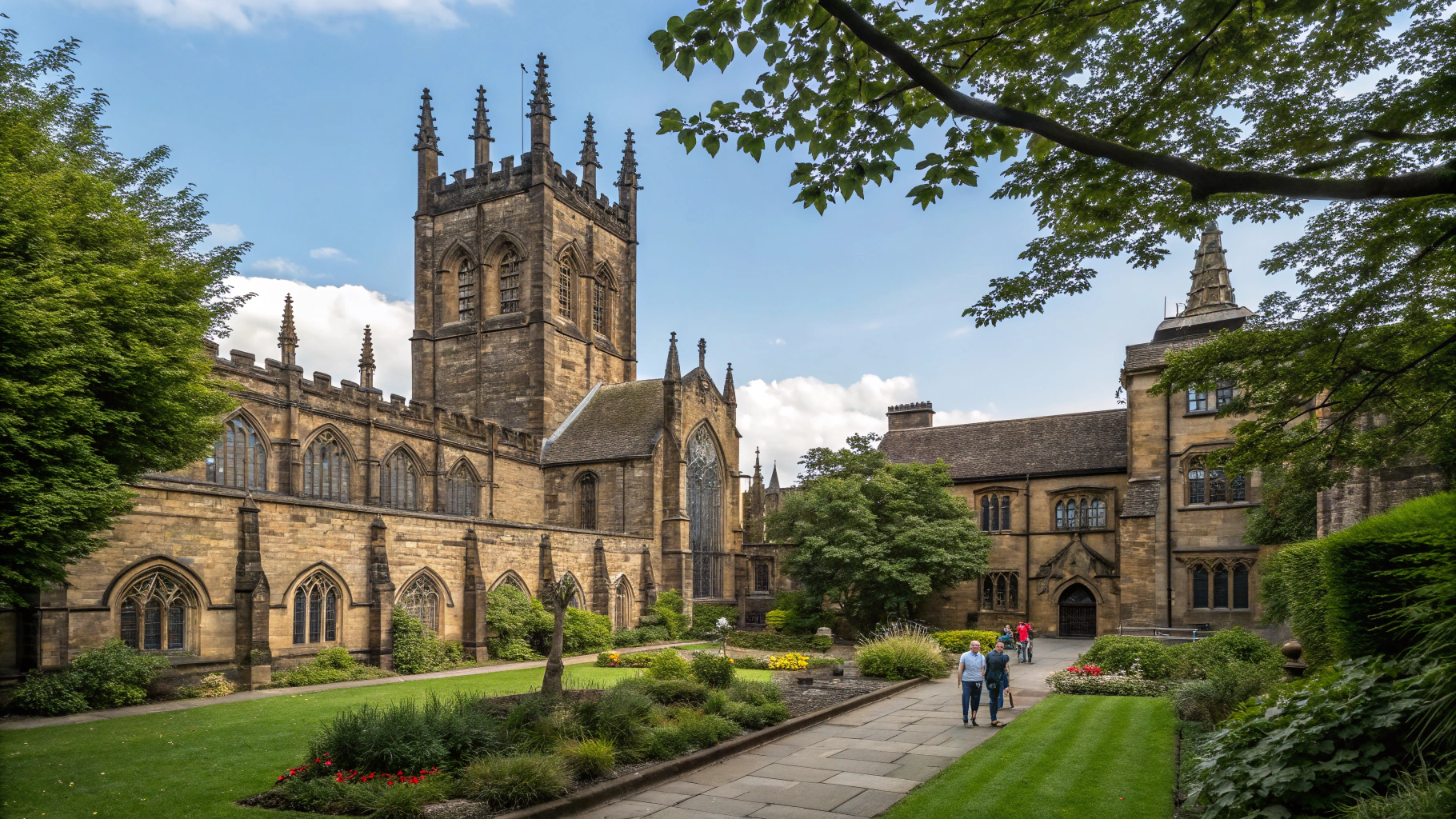
The Monastery Manchester stands proudly in Gorton, just 2.5 miles east of Manchester city center. This Grade II* listed building was designed by Edward Welby Pugin, son of the renowned architect Augustus Pugin who helped design the Palace of Westminster. The 151-foot-high spire dominates the local skyline, while the interior showcases stunning 45-foot-high vaulted ceilings, intricate stone carvings, and magnificent stained glass windows.
After serving as a Franciscan church for nearly a century, it closed in 1989 and fell into severe disrepair until the Monastery of St. Francis & Gorton Trust purchased it for £1 in 1996. After a £6.5 million restoration project, it reopened in 2007 as a cultural venue, events space, and community hub.
Nearby attractions include Gorton Park, Belle Vue Stadium, and easy access to Manchester's vibrant city center with its museums, shops, and restaurants.
Best Time to Visit
The Monastery welcomes visitors year-round, but timing can enhance your experience:
- Spring (April-June): Ideal for photography as natural light streams through the stained glass, creating magical color patterns. Visitor numbers are 30% lower than summer.
- Summer (July-August): Peak tourist season with the most events, but expect more crowds.
- Autumn (September-October): Beautiful grounds with changing foliage and typically 20% fewer visitors than summer.
- Winter (November-February): Magical for Christmas events and weddings, with atmospheric lighting enhancing the Gothic architecture.
Public open days occur most Sundays and Mondays, while special events and weddings take place throughout the year. Check their calendar before visiting, as private events may limit public access.
How to Get There
The Monastery Manchester is easily accessible by various transportation methods:
- By Train: Gorton Station is just a 5-minute walk away, with regular services from Manchester Piccadilly (journey time: 6 minutes).
- By Bus: Services 203, 205, and 206 stop nearby, running regularly from Manchester city center (journey time: approximately 20 minutes).
- By Car: Located near the A57 with on-site parking for 100 vehicles. The postcode for navigation is M18 8RE.
- By Taxi: Approximately £10-12 from Manchester city center, or use ride-sharing apps like Uber or Bolt.
For eco-conscious travelers, Manchester's bike-sharing scheme allows you to cycle there in about 15 minutes from the city center along mostly flat terrain.
Step-by-Step Itinerary
Morning: Exploring the Monastery
Begin your visit around 10 AM when the light is perfect for photography. Start with the self-guided tour (allow 1-2 hours) to appreciate:
- The Great Nave with its soaring columns and arches
- The Lady Chapel with original Victorian details
- The beautifully restored stained glass windows
- The exhibition area detailing the building's history and restoration
Pro tip: Download the free audio guide app before visiting for fascinating historical insights not covered in the physical displays.
Afternoon: Events and Activities
The Monastery frequently hosts exhibitions, craft fairs, and workshops. Check their website for current events, which might include:
- Wellbeing sessions in the peaceful surroundings
- Heritage craft demonstrations
- Classical music performances
- Local art exhibitions
The on-site café offers excellent refreshments with homemade cakes and locally sourced ingredients – perfect for a midday break.
Where to Stay
While the Monastery itself doesn't offer accommodation, several excellent options exist nearby:
Luxury:
- The Lowry Hotel (4 miles away) – 5-star luxury with river views and an award-winning spa
- Hotel Gotham (3.5 miles) – Art Deco splendor with rooftop bar and Manchester views
Mid-Range:
- Holiday Inn Manchester Central Park (1 mile) – Modern comfort within walking distance
- Travelodge Manchester Central (3 miles) – Good value with city center location
Budget-Friendly:
- Luther King House (2.5 miles) – Peaceful retreat with garden spaces
- Hatters Hostel (3 miles) – Social atmosphere with private and dormitory options
Food to Try
The Monastery's café serves excellent light meals and refreshments, but to experience Manchester's culinary scene:
- The Monastery Café – Try their award-winning afternoon tea with traditional scones and local specialties
- Gorton Monastery Bar – Available during events, offering local craft beers and gin selections
- The Clarence (1 mile away) – Historic pub with traditional British fare and Sunday roasts
- Rudy's Pizza (3 miles) – Authentic Neapolitan pizza voted among the best in the world
Don't miss Manchester's famous "Eccles cake" – a flaky pastry filled with currants that pairs perfectly with Lancashire cheese.
Best Photo Spots
Capture memorable images at these picturesque locations:
- The Great Nave – Stand at the entrance for the perfect symmetrical shot down the central aisle
- The Rose Window – Best photographed in morning light when colors stream through
- The Pulpit – Offers a dramatic perspective of the nave's architecture
- Exterior West Face – Capture the Gothic revival details in afternoon light
- The Cloisters – Peaceful archways with beautiful shadow play
Photography tip: Use HDR mode to capture both the bright stained glass and darker interior details in one shot.
Common Travel Mistakes to Avoid
- Not checking opening times – The Monastery hosts private events and isn't always open to the public
- Missing the guided tours – These provide fascinating details not covered in self-guided visits
- Underestimating travel time – Manchester traffic can be heavy; allow extra time when driving
- Ignoring parking restrictions – The on-site lot fills quickly during events; book parking in advance when possible
- Skipping the audio guide – It reveals hidden stories behind the restoration and architectural features
Conclusion
the monastery manchester represents more than just a stunning historical building – it's a testament to community determination, architectural preservation, and cultural revival. Whether you're seeking a tranquil escape from city life, a magnificent the monastery manchester wedding venue, or simply a photographer's paradise, this restored Gothic masterpiece delivers an unforgettable experience. The journey from endangered ruin to thriving cultural venue makes every visit not just a tour, but a celebration of heritage saved for future generations. Plan your visit today to discover why this hidden gem continues to captivate and inspire visitors from around the world.
FAQs
Is the Monastery Manchester accessible for visitors with mobility issues?
Yes, the Monastery has wheelchair access, an elevator to all floors, and accessible toilets. Some paths through the gardens have gravel, but alternative routes are available.
How much does it cost to visit the Monastery Manchester?
Entry on public days typically costs £3-5 for adults, with concessions for seniors and students. Children under 12 are usually free. Special events and exhibitions may have different pricing.
Can I hire the Monastery Manchester for private events?
Yes, the Monastery is a popular venue for weddings, conferences, and special events. The Great Nave can accommodate up to 400 guests. Contact their events team for packages and availability.
Is photography allowed inside the Monastery?
Photography for personal use is permitted throughout the building except during certain events or services. Commercial photography requires prior permission and may incur a fee.
How long did the restoration of the Monastery take?
The major restoration took 11 years, from 1996 to 2007, with additional work continuing in phases. The project cost approximately £6.5 million, funded through grants, donations, and the National Lottery.