

Introduction
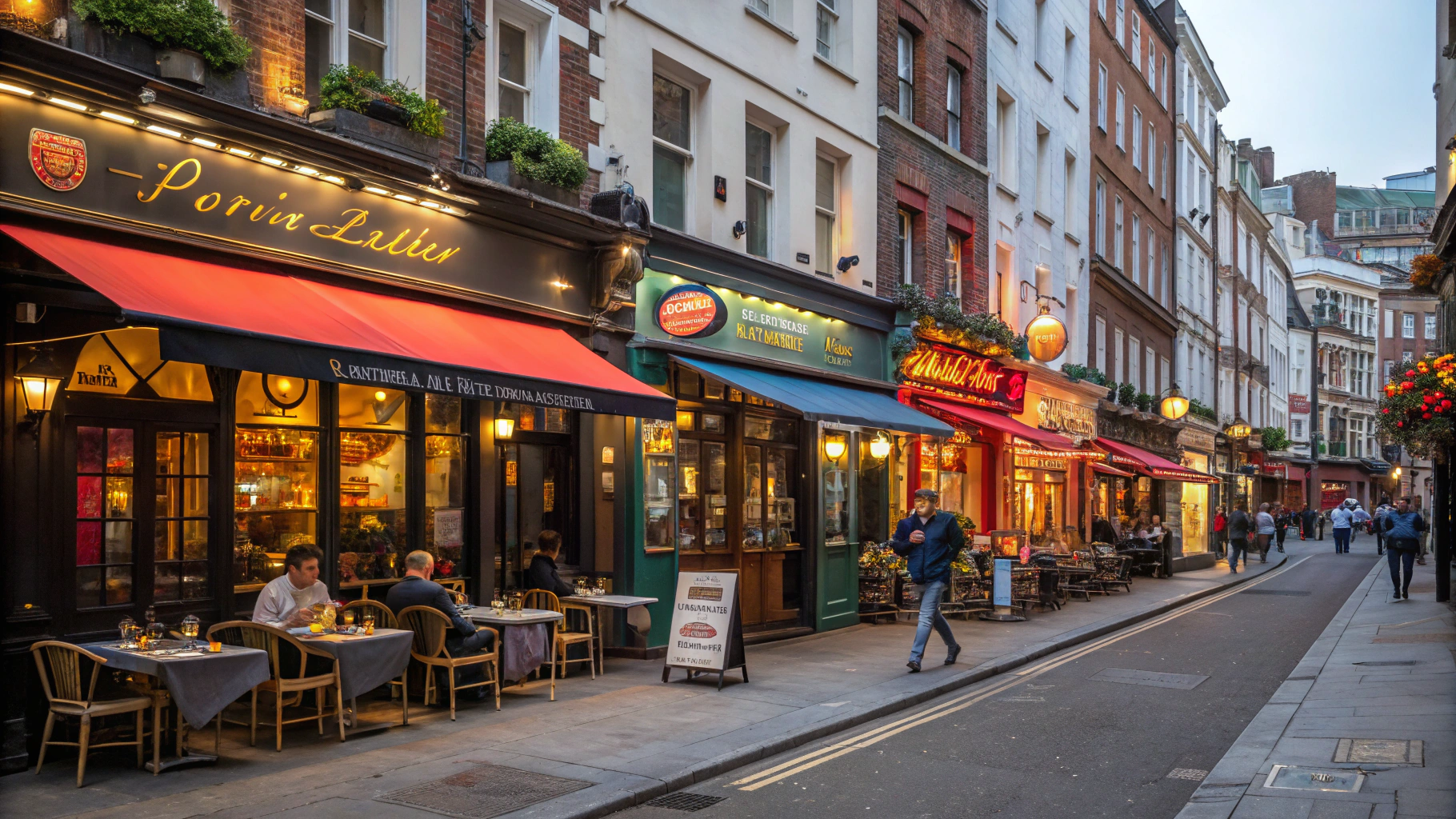
Have you ever wondered why London restaurants consistently rank among the world's most diverse culinary destinations? With over 18,000 dining establishments and 72 Michelin-starred venues, London's food scene rivals global gastronomic capitals like Paris and Tokyo. Whether you're seeking traditional British fare or innovative fusion cuisine, the city delivers exceptional dining that caters to every palate and budget. What makes these best London restaurants truly special isn't just their food—it's the distinctive atmosphere, historical settings, and cultural experiences that transform a meal into an unforgettable memory.
London's Culinary Landscape
London's restaurant scene reflects its history as a global crossroads. From centuries-old establishments serving traditional fare to cutting-edge dining concepts, the city offers a culinary journey unlike any other. The diversity of London restaurants mirrors its multicultural population, with authentic cuisine from virtually every corner of the world.
Key culinary districts include Soho for trendy eateries, Brick Lane for outstanding curry houses, Borough Market for artisanal food, and Mayfair for fine dining. What sets London apart is how historic venues like pubs dating back to the 16th century coexist with innovative pop-up restaurants, creating a dining landscape that honors tradition while embracing the future.
Best Time to Visit
London's restaurant scene thrives year-round, but timing can significantly enhance your dining experience. January offers "January deals" with up to 50% off at many upscale establishments, while summer brings vibrant outdoor dining options along the Thames and in beautiful garden settings.
For special culinary events, plan around the Taste of London festival in June or London Restaurant Festival in October, when many best London restaurants offer special tasting menus at reduced prices. Booking patterns show that reservations for top restaurants are 35% easier to secure on Mondays and Tuesdays, while weekend bookings at prestigious venues often require planning 2-3 months in advance.
How to Get There
Navigating to London's culinary hotspots is relatively straightforward, with excellent public transportation options. The London Underground (Tube) connects most dining districts, with Zones 1-2 covering the majority of notable London restaurants. A contactless payment card or Oyster card offers the most cost-effective transport, with typical Zone 1-2 fares around £2.40.
For late-night dining, the Night Tube operates on weekends on five major lines, while ride-sharing apps like Uber and Bolt provide convenient alternatives when public transport is less accessible. The Citymapper app comes highly recommended for planning restaurant journeys, offering real-time transport updates and walking directions to specific venues.
Must-Try Restaurant Experiences
Traditional British Cuisine Reimagined
Simpson's in the Strand has served traditional British fare since 1828, offering the quintessential roast beef carved tableside. For modern interpretations, Dinner by Heston Blumenthal at the Mandarin Oriental Hyde Park draws inspiration from historic British recipes, with dishes dating back to the 14th century presented with contemporary flair.
International Culinary Excellence
Dishoom captures the charm of Bombay's old Irani cafés, serving authentic Indian dishes in nostalgic settings across London. Their breakfast bacon naan roll has achieved legendary status. For exceptional dim sum, A. Wong in Victoria offers a Taste of China menu featuring 14 courses of regional Chinese specialties that earned the restaurant two Michelin stars.
Unique Dining Concepts
Dans le Noir? provides the unusual experience of dining in complete darkness, served by visually impaired waitstaff, heightening your sensory perception of food. Meanwhile, Sketch in Mayfair offers surreal, artist-designed spaces including the famous pink Gallery room filled with artwork by David Shrigley and iconic egg-shaped toilet pods.
Where to Stay for Food Lovers
For culinary-focused accommodations, consider these options:
Luxury: The Connaught in Mayfair houses Jean-Georges and The Grill, both exceptional London restaurants under one roof, with the added bonus of the award-winning Connaught Bar.
Mid-range: Citizen M Tower of London offers stylish, affordable rooms within walking distance of Borough Market and numerous notable restaurants in the City and East London.
Budget-friendly: Z Hotel Covent Garden provides compact but well-designed rooms in the heart of London's theater district, surrounded by pre-theater dining options and casual eateries.
Hidden Culinary Gems
Beyond famous establishments, London's food scene shines with lesser-known treasures:
Maltby Street Market operates weekends under railway arches in Bermondsey, offering artisanal food with shorter queues than Borough Market. Meanwhile, Regency Café in Pimlico serves what many consider London's best traditional English breakfast in an authentic 1940s setting that frequently appears in films.
E. Pellicci in Bethnal Green provides a genuine East End experience, serving Italian-influenced café classics in a Grade II-listed Art Deco interior run by the same family since 1900.
How to Book Hard-to-Get Reservations
Securing tables at coveted best London restaurants requires strategy:
- Book precisely when reservation windows open (typically 2-3 months ahead)
- Use the Resy or OpenTable platforms and set alerts for cancellations
- Consider dining at off-peak times (Monday-Wednesday or early/late sittings)
- For extremely exclusive venues like The Araki, have your hotel concierge make inquiries
Cultural Dining Etiquette
Understanding British dining customs enhances the experience:
- Tipping is customary but less mandatory than in America (10-12.5% is standard)
- Service charges are often included automatically (check your bill)
- Reservations are taken seriously; call to cancel if plans change
- British diners typically keep hands visible on the table, not in laps
- In pubs, order and pay at the bar rather than waiting for table service
Conclusion
London's restaurant scene offers unparalleled diversity, from centuries-old establishments to boundary-pushing culinary innovations. Whether you're savoring traditional British fare or exploring global cuisines, the city's dining landscape provides memorable experiences for every taste and budget. With proper planning and these insider tips, you can navigate London restaurants like a local and create food memories that will last a lifetime.
FAQs
What is the average cost of dining at a Michelin-starred London restaurant?
Expect to pay £70-150 per person for dinner excluding drinks at one-star establishments, while two and three-star venues typically cost £150-300 per person for tasting menus.
Do I need to dress formally for fine dining in London?
Most high-end restaurants have relaxed their dress codes, with smart casual now acceptable at most venues. However, a few traditional establishments like The Ritz still require jackets for men.
Which area has the best concentration of quality restaurants?
Soho offers the highest density of well-regarded restaurants across various cuisines and price points, with over 200 eateries within one square mile.
Are London restaurants accommodating for dietary restrictions?
Yes, London leads in catering to dietary needs, with 93% of surveyed restaurants offering vegetarian options and 78% providing vegan choices. Always mention requirements when booking.
What's the best strategy for experiencing London's food scene on a budget?
Many high-end best London restaurants offer set lunch menus at 30-50% less than dinner prices, while food markets like Borough, Mercato Metropolitano, and Boxpark provide quality meals at reasonable prices.