

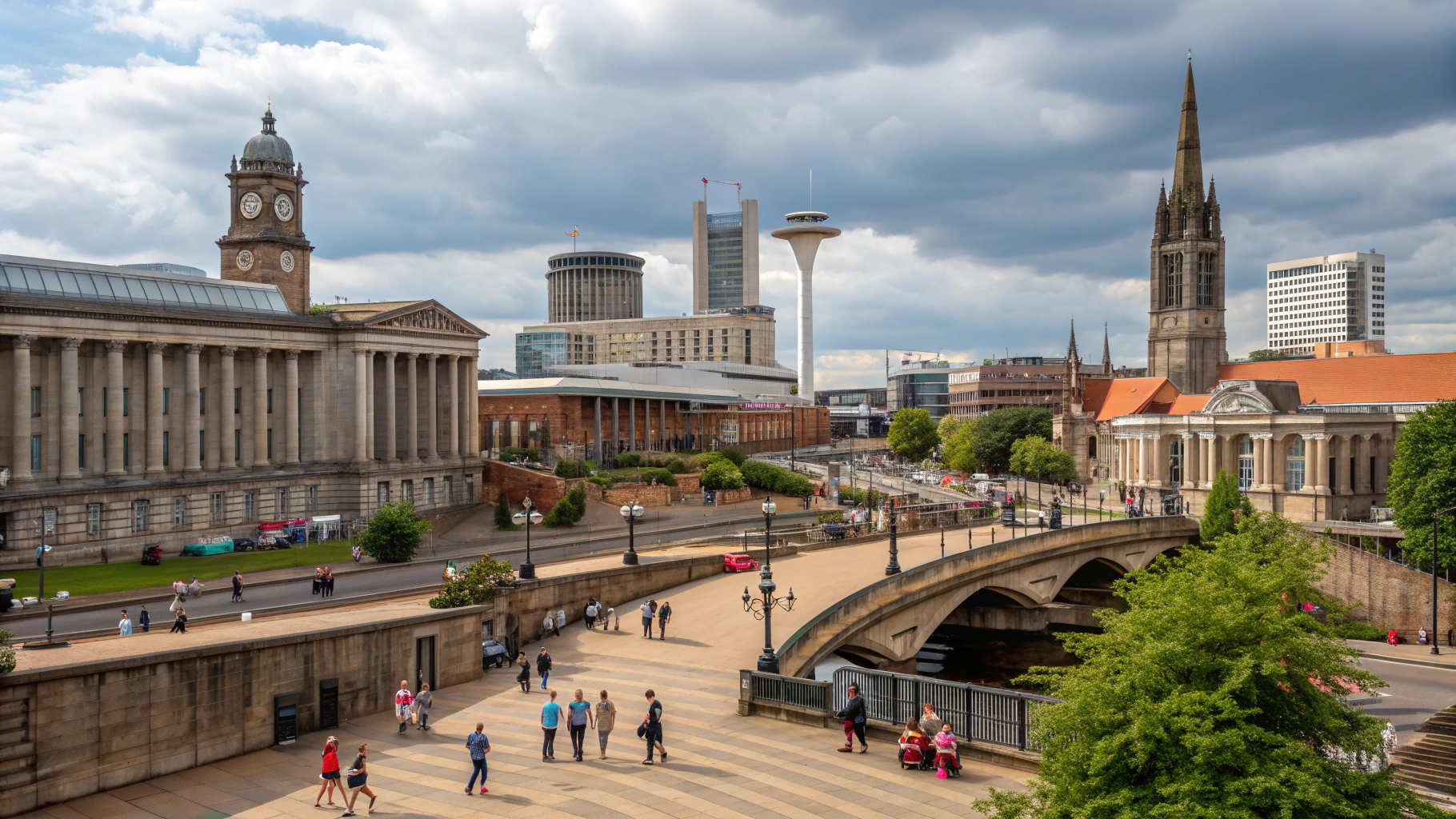
Did you know that while over 42 million tourists flock to London annually, Birmingham—England's vibrant second city—receives only a fraction of that attention despite housing more canals than Venice and more Michelin-starred restaurants than any English city outside London? This oversight creates a perfect opportunity for travelers seeking authentic experiences away from overcrowded tourist traps. birmingham travel offers a refreshing alternative to the well-trodden paths of British tourism, with industrial heritage, cultural diversity, and architectural marvels that most international visitors completely miss.
The city's transformation from industrial powerhouse to cultural hub has created a fascinating blend of Victorian grandeur and cutting-edge modernity that rewards curious explorers. Let's uncover the hidden corners of Birmingham that will transform your understanding of this underappreciated destination.
Destination Overview
Birmingham sits at the heart of England's West Midlands, a city forged in the Industrial Revolution that has reinvented itself as a vibrant cultural center. While the famous Bull Ring shopping center and Birmingham Museum & Art Gallery appear in every birmingham travel guide, the city's true character lies in its diverse neighborhoods, industrial heritage, and multicultural influences.
The city boasts over 100 miles of canals (more than Venice), which once served as the arteries of industrial Birmingham but now provide peaceful waterside walking paths and dining venues. The Jewellery Quarter, with over 200 listed buildings, represents one of the largest concentrations of businesses involved in the trade, continuing a tradition dating back 250 years.
Birmingham's positioning makes it an ideal base for exploring central England, with Stratford-upon-Avon, the Cotswolds, and the Peak District all within easy reach.
Best Time to Visit
Birmingham enjoys its best weather from June through September, with average temperatures between 16-21°C (60-70°F) and extended daylight hours perfect for exploring. However, savvy travelers should consider May and late September when accommodations are approximately 30% cheaper while weather remains pleasant.
Winter months (November-February) see fewer tourists and accommodation rates drop by up to 40%, though shorter days and temperatures averaging 4-8°C (39-46°F) mean packing warmer clothes. The city's Christmas markets in December transform central areas into festive wonderlands worth experiencing despite the chill.
For cultural enthusiasts, time your birmingham travel around major events like the Birmingham International Dance Festival (June), Mostly Jazz Festival (July), or the Birmingham Literature Festival (October) when the city's creative energy peaks.
How to Get There
Birmingham Airport connects with over 150 destinations worldwide, with direct flights from major European cities, Dubai, and some US destinations. From London, the quickest option is taking the train from Euston Station, which reaches Birmingham New Street in just 1 hour 22 minutes (tickets range from £25-65 depending on timing).
National Express coaches offer budget-friendly alternatives from major UK cities, with London-Birmingham journeys taking approximately 3 hours and tickets starting from £5 when booked in advance.
Within the city, the West Midlands Metro tram system and extensive bus network make navigation straightforward. Download the "Transport for West Midlands" app for real-time updates and ticket purchases. For exploring hidden corners, the Voi e-scooters available throughout the city center provide an eco-friendly alternative to traditional transport.
Step-by-Step Itinerary
Day 1: Historical Birmingham
Morning: Begin at the Birmingham Back to Backs (9:00 AM, pre-booking essential), the city's last surviving court of back-to-back houses. These preserved working-class homes offer an intimate glimpse into 19th-century life that most tourists miss.
Afternoon: Explore the Jewellery Quarter, starting with a tour of the Museum of the Jewellery Quarter (allow 90 minutes). Afterward, wander down Caroline Street and Frederick Street where independent jewelers still craft by hand. Stop at The Rose Villa Tavern for lunch in a Grade II listed building with stunning Victorian interiors.
Evening: Take a twilight stroll along the canals of Gas Street Basin when the historic warehouses light up and reflect on the water. Dine at Opheem, where chef Aktar Islam blends British ingredients with Indian techniques in the city's Michelin-starred gem.
Day 2: Cultural Immersion
Morning: Visit Ikon Gallery in Brindleyplace (free entry, opens 11:00 AM), housed in a neo-Gothic schoolhouse showcasing contemporary art. Continue to the Birmingham Library—not just for books but for the panoramic views from its garden terraces.
Afternoon: Explore Digbeth, Birmingham's creative quarter, where street art transforms industrial buildings into an open-air gallery. Book a Digbeth street art walking tour (£15) or create your own route starting from the Custard Factory. Stop at Digbeth Dining Club (weekends only) for street food from local vendors.
Evening: Experience Birmingham's legendary Balti Triangle in Sparkhill, where this curry dish was invented. Authentic family-run restaurants like Adil's or Al Frash offer the true Balti experience for under £15 per person.
Day 3: Green Birmingham and Hidden Corners
Morning: Start at Winterbourne House and Garden, a restored Edwardian home with seven acres of botanical gardens that only 2% of visitors to Birmingham ever see.
Afternoon: Take the number 11 outer circle bus route—the longest urban bus route in Europe—jumping on and off to discover neighborhoods like Moseley with its preserved Victorian public baths and Bournville, the model village built by Cadbury chocolate.
Evening: End your exploration at Stirchley, Birmingham's emerging food neighborhood. Visit Couch for craft beers from local microbreweries, then enjoy dinner at Eat Vietnam, a tiny restaurant serving authentic Vietnamese street food that locals queue for.
Where to Stay
Luxury: The Grand Hotel Birmingham recently reopened after extensive restoration, offering Victorian opulence with modern amenities in a central location. Rooms from £150/night feature original architectural details and luxury bedding.
Mid-range: Selina Birmingham in the Jewellery Quarter provides stylish rooms from £70/night in a converted Victorian building, complete with co-working spaces and a vibrant community atmosphere perfect for solo travelers.
Budget: Hatters Hostel occupies a redbrick Victorian building near the canals with dorm beds from £18/night and private rooms from £45. Their basement bar hosts free walking tours departing daily.
Unique stay: The Floating Front Room on the Worcester & Birmingham Canal offers canal boat accommodation from £85/night—an authentic way to experience Birmingham's waterway heritage that few tourists consider.
Food to Try
Birmingham's culinary scene extends far beyond its famous Balti curries:
Brummie Bacon Cakes: These savory treats blend bacon with cheese and onion in a pastry case. Try them fresh at the Indoor Market in the Bull Ring.
Pork Scratchings: This West Midlands snack originated in Birmingham. The traditional version at The Wellington pub comes from local producers.
Birmingham Soup: A hearty vegetable soup with a distinctive kick of spice reflecting the city's multicultural influences. Original's Tea Room serves an authentic version.
Black Country Faggots: These traditional meatballs served with mashed potatoes and peas represent Birmingham's working-class heritage. The Old Crown pub (Birmingham's oldest building) serves them according to centuries-old recipes.
For a comprehensive food experience, book the "Taste of Birmingham" food tour (£65) which includes six tasting locations spanning traditional British to contemporary fusion cuisines.
Best Photo Spots
Library of Birmingham Rotunda: The geometric blue and gold façade and spectacular circular bookshelves make this a photographer's dream. Visit between 11 AM-1 PM when light floods through the windows.
Peaky Blinders Locations: Capture Victorian industrial Birmingham at the Black Country Living Museum (technically in nearby Dudley but worth the trip) where scenes from the famous TV show were filmed.
Cannon Hill Park Bandstand: This recently restored Victorian structure provides perfect symmetry for photos, especially during golden hour (around 7-8 PM in summer).
Electric Cinema Façade: Britain's oldest working cinema (1909) has a beautifully illuminated Art Deco façade best photographed after dusk.
The canals from Snow Hill Bridge: This vantage point allows you to capture Birmingham's famous waterways without other tourists in your shot, especially atmospheric in early morning mist.
Common Travel Mistakes to Avoid
Limiting exploration to the city center: Many visitors never venture beyond the Bull Ring and Brindleyplace, missing the character of outlying neighborhoods like Moseley and Harborne.
Overlooking the industrial museums: Birmingham's manufacturing heritage created unique museums like the Pen Museum and Newman Brothers Coffin Works that provide fascinating insights into specialized crafts.
Using taxis for short distances: Birmingham's compact center means most attractions are walkable, with unnecessary taxi rides quickly increasing travel costs.
Dismissing the food scene: Many travelers expect limited options but Birmingham boasts five Michelin-starred restaurants and diverse international cuisines reflecting its multicultural population.
Speaking of "Birmingham" in the USA: When booking flights or researching, specify "Birmingham UK" to avoid confusion with Alabama's Birmingham.
Packing & Prep Tips
Even in summer, Birmingham weather can change rapidly, so pack lightweight layers and a compact umbrella. Comfortable walking shoes are essential for exploring the hilly sections of the city and cobblestone streets in historic areas.
Download the West Midlands Network app for public transportation and TasteCard for dining discounts (14-day free trial available). A reusable water bottle is practical as Birmingham has installed numerous refill stations throughout tourist areas.
For canal-side explorations, insect repellent is advisable during summer months, particularly for evening walks along the water.
Local Tips & Cultural Insights
Brummies (Birmingham locals) are known for their distinctive accent and self-deprecating humor. The phrase "Alright bab?" is a common greeting meaning "How are you?" with "bab" being a term of endearment.
When ordering at pubs, remember that tipping isn't expected for drinks at the bar, though restaurant service typically warrants 10-15%. Rounds culture prevails in pubs—if in a group, each person typically buys a "round" of drinks for everyone.
Birmingham's industrial heritage makes it a city that values craftsmanship; visiting working studios in the Jewellery Quarter or Custard Factory provides opportunities to meet makers and purchase unique souvenirs.
Trip Extensions & Nearby Places
Stratford-upon-Avon: Shakespeare's birthplace is just 40 minutes by train from Birmingham. Beyond the Bard's attractions, explore the lesser-known Mechanical Art and Design Museum.
Black Country Living Museum: 30 minutes from central Birmingham, this open-air museum recreates industrial life with costumed demonstrators in historic buildings.
Lickey Hills Country Park: Just 10 miles southwest of the city, offering woodland walks and panoramic views across Birmingham and (on clear days) to Wales.
Warwick Castle: One of England's best-preserved medieval castles is 30 minutes by train, with fewer crowds on weekday mornings.
Conclusion
Birmingham's transformation from industrial powerhouse to cultural hub has created an authentic destination that rewards curious travelers willing to look beyond conventional tourist attractions. The city's diverse neighborhoods, industrial heritage, and multicultural influences offer experiences you simply won't find in guidebooks or on typical tourist itineraries.
From canal-side walks to world-class dining, birmingham travel delivers unexpected pleasures for those willing to explore its hidden corners. As local street artist Mohammed Ali aptly painted on a Digbeth wall: "Birmingham: It's not about the destination, it's about the journey of discovery."
Start planning your Birmingham adventure today and experience the England that most tourists never see.
FAQs
Is Birmingham safe for solo travelers?
Birmingham is generally safe for solo travelers, particularly in central areas and major attractions. As with any city, exercise standard precautions in less populated areas after dark. The city center is well-lit and patrolled, with excellent public transport options until late evening.
How much does a typical 3-day trip to Birmingham cost?
A mid-range 3-day trip costs approximately £400-600 per person, including accommodation (£70-100/night), meals (£30-40/day), attractions (£15-25/day), and local transport (£8/day with a day pass). Budget travelers can reduce costs to around £250 by choosing hostel accommodation and street food options.
What's the best way to get around Birmingham?
The compact city center is best explored on foot, while the comprehensive bus and tram network handles longer journeys efficiently. A Swift card (Birmingham's Oyster equivalent) offers the best value for multiple journeys, with day passes available for £4.80.
Are there any free attractions worth visiting in Birmingham?
Many of Birmingham's best attractions are free, including the Birmingham Museum & Art Gallery, Ikon Gallery, and Library of Birmingham. The city's extensive canal network and parks like Cannon Hill also offer cost-free exploration opportunities with self-guided walking routes available from the tourist information center.
What unique souvenirs should I bring back from Birmingham?
Skip generic souvenirs and consider handcrafted jewelry from the Jewellery Quarter, locally produced chocolate from Cadbury World, craft beers from Birmingham Brewing Company, or artisan items from the Custard Factory's independent makers—all uniquely connected to the city's heritage and current creative scene.