

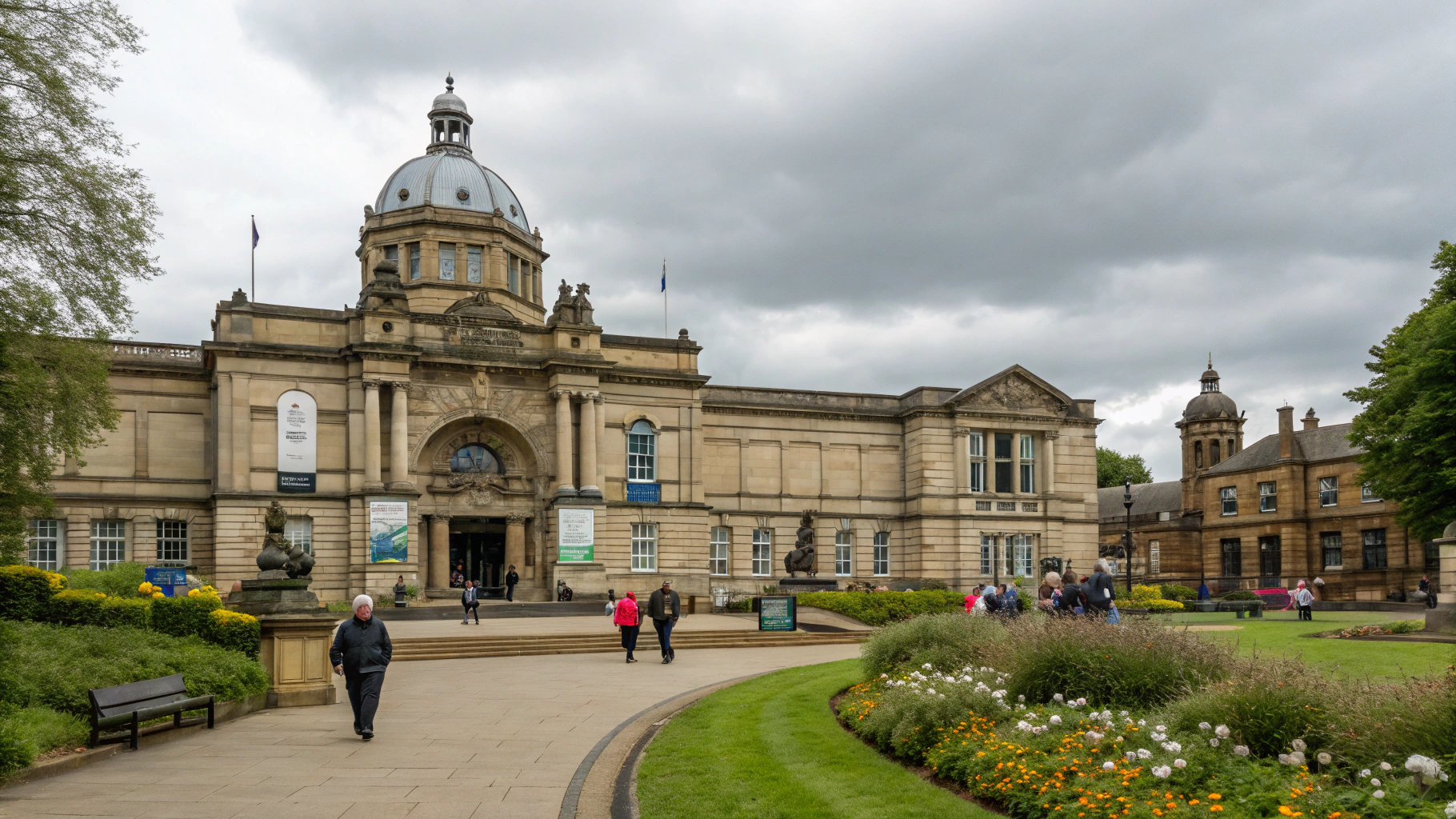
Did you know that Nottingham's museums collectively house over 3 million artifacts spanning 750 million years of history? The city's vibrant museum scene offers far more than just exhibits about Robin Hood, despite the legendary outlaw's enduring connection to Nottingham. From prehistoric fossils to industrial revolution innovations, the Nottingham museum landscape presents an immersive journey through time that challenges the conventional understanding of this historic East Midlands city. While many visitors come expecting medieval tales and outlaw memorabilia, they discover a rich tapestry of natural history, industrial heritage, and contemporary art that reflects Nottingham's complex identity beyond its folkloric associations.
Destination Overview
Nestled in the heart of England, Nottingham's museum district creates an atmospheric blend of Victorian architecture and modern exhibition spaces. The crown jewel, Nottingham Castle Museum, stands proudly on a sandstone outcrop with panoramic city views, having recently undergone a £30 million renovation. The city boasts five major museums within walking distance of each other, creating a cultural corridor that draws over 750,000 visitors annually.
Nottingham's museums aren't just repositories of artifacts—they're living institutions that breathe life into the city's fascinating past as a center for lace-making, coal mining, and scientific innovation. Within a compact city center, visitors can explore the Museum of Nottingham Life at Brewhouse Yard, Green's Windmill and Science Centre, and the industrial marvels at the Framework Knitters Museum, all while being just minutes from the legendary Sherwood Forest visitor center located 20 miles north.
Best Time to Visit
Seasonal Considerations
Nottingham's museums offer distinctly different experiences throughout the year:
Spring (March-May): Ideal for museum exploration with comfortable temperatures (10-15°C) and 30% fewer crowds than summer months. Museum entry fees are typically 15% lower during this shoulder season.
Summer (June-August): Peak tourist season brings extended opening hours and special exhibitions, though wait times at popular exhibits can reach 45 minutes. The Nottingham Castle grounds host summer festivals and outdoor performances.
Autumn (September-November): The "golden period" for museum visits with pleasant weather, seasonal exhibits, and visitor numbers 40% lower than August peaks.
Winter (December-February): Museums offer cozy respite from temperatures averaging 1-7°C, with festive themed exhibitions and 25% discounted entry during January's post-holiday period.
For the optimal experience, plan your visit during mid-week in May or late September when you'll encounter 60% fewer visitors than weekend summer days while enjoying full programming and pleasant weather for walking between venues.
How to Get There
Nottingham's central England location makes it highly accessible:
By Train: Nottingham Station connects directly to London (1 hour 45 minutes, from £25), Manchester (2 hours, from £20), and Birmingham (1 hour 15 minutes, from £15). The station is just a 10-minute walk from the museum district.
By Air: East Midlands Airport is 15 miles away with the Skylink bus service running every 30 minutes (£5 one-way, 40-minute journey).
By Car: Located near the M1 motorway with six city center parking garages (£8-15 daily rate). Consider the eco-friendly Park & Ride services (£4 including bus fare) to avoid city center congestion.
Local Transport: The NCT Citylink bus app offers a £4.50 day ticket for unlimited travel, while the Nottingham City Transport Museum Explorer pass (£12) includes bus travel and discounted museum entry.
Step-by-Step Itinerary
Day 1: Castle and City Heritage
Morning (9:00-12:30)
Begin at Nottingham Castle Museum and Art Gallery. Arrive early to explore the medieval castle ruins before the crowds. Don't miss the interactive Robin Hood exhibits and the remarkable collection of 17th-century Nottingham alabaster carvings. Pro tip: The Castle Café offers excellent views over the city—perfect for mid-morning refreshments.
Afternoon (13:30-17:00)
Walk 10 minutes downhill to the Museum of Nottingham Life at Brewhouse Yard, where five interconnected 17th-century cottages showcase everyday life through the centuries. The living history demonstrations (2:00 PM daily) bring Victorian Nottingham vividly to life.
Evening
Enjoy the "Rebels and Rogues" guided walking tour (£8, starts 18:30 from Tourist Information) connecting museum exhibits to actual city locations.
Day 2: Industrial Heritage and Science
Morning (10:00-13:00)
Visit the Nottingham Industrial Museum at Wollaton Hall, featuring five fascinating galleries of local industrial heritage. The lace-making demonstrations at 11:30 showcase the craft that made Nottingham world-famous.
Afternoon (14:00-17:30)
Take a short bus ride to Green's Windmill and Science Centre, a working 19th-century windmill with hands-on science exhibits. Time your visit to catch the bread-making demonstration using freshly milled flour (15:00 on weekends).
Evening
Participate in the "Science After Hours" events at Nottingham Contemporary (third Thursday monthly, £5), exploring artistic interpretations of scientific themes featured in the museums.
Where to Stay
Budget-Friendly (£50-80/night)
Ibis Nottingham Centre offers clean, functional rooms within 5 minutes of the main museums. The Midtown Hostel provides dormitory options from £18/night with a communal kitchen and organized museum tours.
Mid-Range (£80-150/night)
Jury's Inn Nottingham features comfortable rooms with city views and is situated directly between the Castle Museum and Contemporary Art Gallery. The Lace Market Hotel occupies a converted Georgian townhouse with period features that complement the historical museum experience.
Luxury (£150+/night)
Hart's Hotel offers premium accommodations adjacent to Nottingham Castle with elegant rooms and a renowned restaurant serving locally-sourced cuisine. The 16th-century Mercure Nottingham Castle Hotel provides four-poster beds and castle views, creating a fitting historical atmosphere for museum enthusiasts.
Food to Try
Nottingham's culinary scene perfectly complements its museum experiences:
Ye Olde Trip to Jerusalem (claimed as England's oldest inn, dating to 1189) serves traditional pies and ales in cave-like rooms hewn from castle rock—extending your historical journey through dinner.
Delilah Fine Foods offers locally-sourced Nottinghamshire specialties including Colwick cheese (a local cream cheese tradition dating to the 16th century) and Bramley apple products (the apple variety originated nearby).
Homemade at Trent Bridge serves proper Nottingham Mushy Peas with mint sauce—a local delicacy best tried after visiting the industrial museum to understand their working-class origins.
Don't miss sampling Nottingham ale at micropubs like The Barrel Drop, featuring beers named after local historical figures mentioned in museum exhibits.
Best Photo Spots
Nottingham Castle Terrace: Capture panoramic city views from the same vantage point depicted in 18th-century paintings displayed inside the museum.
The Lace Market: This beautifully preserved Victorian industrial quarter provides ideal backdrops for architecture photos, especially in the golden hour light (around 4-5 PM in winter, 8-9 PM in summer).
Green's Windmill: The fully-restored 19th-century windmill against the sky makes for dramatic photos, particularly when its sails are in motion (check operating times on their website).
Cave Tours beneath the city offer extraordinary photo opportunities of ancient sandstone formations—time your visit for the 2 PM tour when lighting is optimized for photography.
Common Travel Mistakes to Avoid
Underestimating walking distances: While the museums appear close on maps, Nottingham's hilly topography can make walks challenging. Use the £4.50 day bus ticket for longer stretches.
Missing timed entries: The Castle Museum and special exhibitions often require advance booking, especially during school holidays when slots can sell out 3-4 days ahead.
Overlooking the Nottingham City Museums Pass: For £20, this grants entry to all city museums for a year—cost-effective even for a 2-day visit.
Focusing only on Robin Hood: Many visitors spend excessive time on Robin Hood exhibits while missing the internationally significant lace industry collections that tell Nottingham's authentic story.
Packing & Prep Tips
Comfortable footwear is essential for navigating Nottingham's cobblestone streets and museum galleries—visitors walk an average of 5 miles during a full day of museum exploration.
Lightweight layers adapt well to the variable temperatures between outside walks and climate-controlled museum environments.
Portable phone charger: Museum apps, digital guides, and photo-taking can quickly drain batteries. Most museums offer free Wi-Fi but limited charging points.
Small notebook: Many museum exhibits prohibit photography, making old-fashioned note-taking valuable for remembering details.
Local Tips & Cultural Insights
Nottingham locals take immense pride in their industrial heritage—mentioning family connections to the lace or mining industries will often spark fascinating conversations with museum staff.
The local dialect includes unique phrases like "Ey up mi duck" (a friendly greeting) that reflect Nottingham's distinct cultural identity explored in the Museum of Nottingham Life's language exhibits.
Many museums employ former industry workers as guides—ask about their personal experiences for insights beyond the official exhibits.
Trip Extensions & Nearby Places
Newstead Abbey (12 miles north): The ancestral home of poet Lord Byron offers literary history complementing Nottingham's industrial narrative. Accessible via the Pronto bus service (£6 return).
Framework Knitters Museum in Ruddington (5 miles south): This working museum of the hosiery industry features operational 19th-century machinery and can be reached via the Nottingham City Transport Green Line.
Derby Museums (16 miles west): Visit the world's first factory and the newly renovated Museum of Making, easily accessible by a 20-minute train journey (£8 return).
Sherwood Forest (20 miles north): Experience the legendary home of Robin Hood after learning about the historical figure in Nottingham's museums. The Sherwood Arrow bus provides direct access (£10 return).
Conclusion
Nottingham's museums offer far more than casual tourist attractions—they provide windows into a city that has repeatedly reinvented itself while maintaining deep connections to its past. From medieval fortifications to industrial innovations, the collections tell stories of rebellion, creativity, and resilience that continue to shape Nottingham's identity. By exploring these carefully preserved artifacts and environments, visitors gain insights into both local and national heritage that textbooks alone cannot provide. Whether you're following Robin Hood's footsteps or discovering Nottingham's surprising role in scientific advancement, the city's museums reward curious travelers with authentic experiences and unexpected discoveries.
FAQs
How long should I spend at Nottingham Castle Museum?
Most visitors spend 2-3 hours exploring the main collections. Add an extra hour if you want to include the castle grounds and caves tour.
Are Nottingham's museums suitable for children?
Absolutely! Most museums offer dedicated children's trails, hands-on exhibits, and family activity packs. The Green's Windmill Science Centre and the Castle Museum are particularly child-friendly with interactive displays.
What's the best museum to learn about Robin Hood?
The Nottingham Castle Museum houses the definitive Robin Hood exhibition with historical context, folklore analysis, and film memorabilia. The nearby Robin Hood Experience offers a more theatrical introduction suitable for younger visitors.
Is there a discount for visiting multiple museums?
Yes, the Nottingham City Museums Pass (£20) provides unlimited entry to all city-operated museums for 12 months and includes a 10% discount at museum shops and cafés.
Can I see all major museums in one day?
While technically possible, it's not recommended. A two-day visit allows proper appreciation of the collections without rushing. If limited to one day, prioritize Nottingham Castle Museum and either the Industrial Museum or Museum of Nottingham Life.