

Introduction
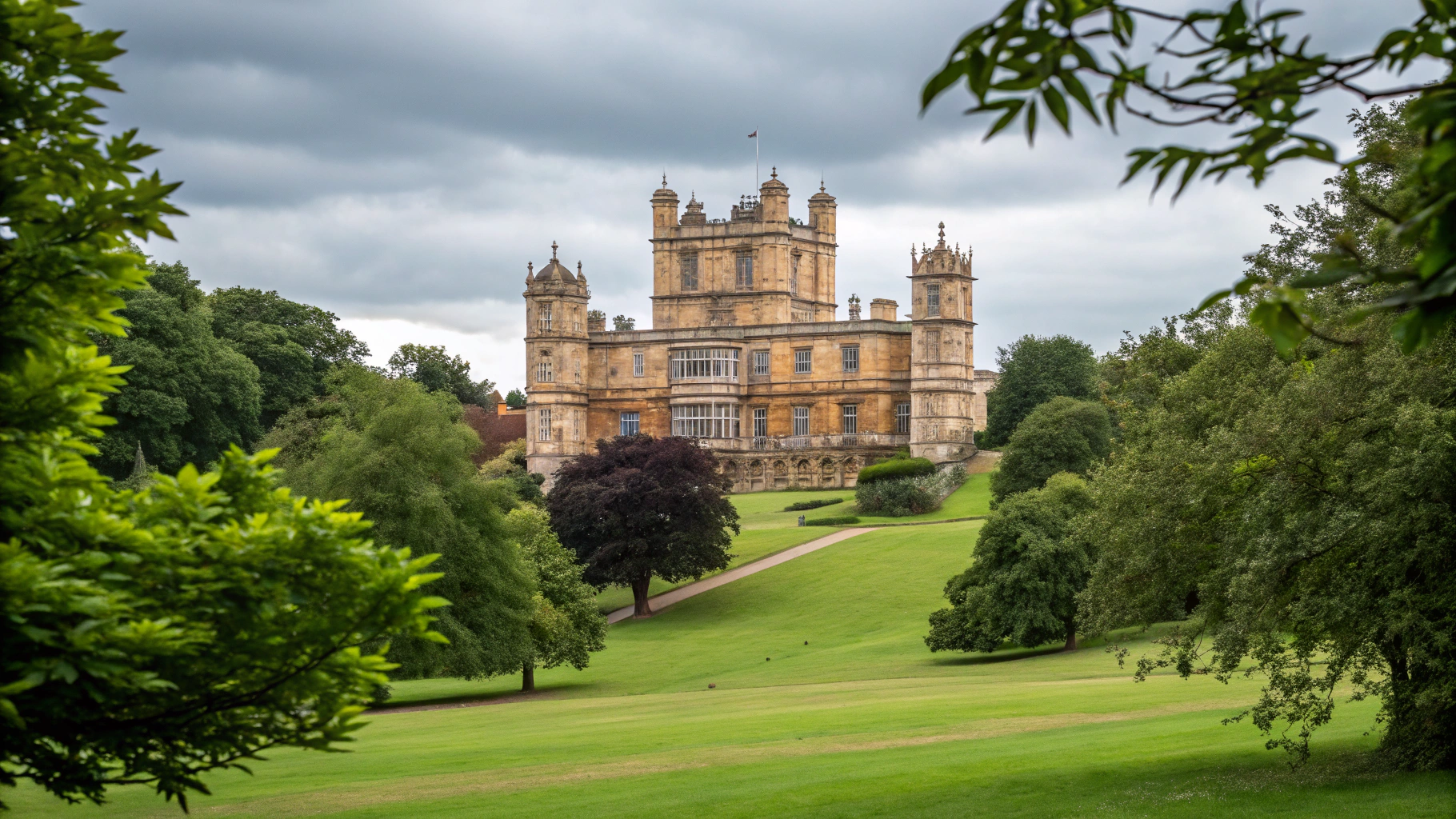
What would it be like to stand where Batman once roamed, surrounded by centuries of history and wild deer grazing just yards away? Wollaton Hall, the magnificent Elizabethan mansion nestled in the heart of Nottingham, offers precisely this unique experience. This architectural masterpiece served as Wayne Manor in Christopher Nolan's "The Dark Knight Rises," but its real-life story spans over 400 years of English heritage.
Built between 1580 and 1588, Wollaton Hall stands proudly atop a hill overlooking a 500-acre deer park, combining natural beauty with human artistry in a way few English estates can match. Contrary to what many visitors expect, this isn't just another stately home—it's a living museum, natural sanctuary, and cinematic icon rolled into one unforgettable destination.
Destination Overview
Wollaton Hall represents one of England's most spectacular examples of Elizabethan architecture. Commissioned by Sir Francis Willoughby and designed by architect Robert Smythson, the mansion features an impressive stone façade with intricate decorative elements typical of the period. Today, it houses Nottingham Natural History Museum, where visitors can explore diverse collections ranging from rare insects to imposing dinosaur skeletons.
The surrounding deer park is home to approximately 300 red and fallow deer that roam freely across the expansive grounds. Beyond the hall and its immediate gardens, visitors can explore the Camellia House (one of the oldest cast iron glasshouses in Europe), the formal gardens, and the adjacent Nottingham Industrial Museum.
Just three miles from Nottingham city center, Wollaton Hall is conveniently located near other attractions including Nottingham Castle, the legendary Sherwood Forest (about 20 miles north), and the historic Lace Market district.
Best Time to Visit
Spring (March-May)
Spring brings mild temperatures (10-15°C/50-59°F) and blooming gardens at Wollaton Hall. The newborn deer calves make their appearance in May and June, providing exceptional wildlife viewing opportunities. Visitor numbers are approximately 30% lower than summer months, making for a more peaceful experience.
Summer (June-August)
Summer offers the warmest weather (16-22°C/61-72°F) and longer opening hours for the hall and museums. However, this period attracts about 45% more visitors compared to spring or autumn. The park hosts various events during summer, including outdoor concerts and theatrical performances.
Autumn (September-November)
Autumn creates a spectacular backdrop as the park's ancient trees display vibrant colors. The rutting season for deer occurs in October, offering fascinating wildlife displays. Visitor numbers decrease by about 20% from summer peaks, while admission prices often drop by 15% for certain events.
Winter (December-February)
Winter provides a magical atmosphere when snow occasionally blankets the grounds. Indoor exhibitions remain accessible, though some outdoor areas may have limited access. Winter visitation drops by approximately 50% compared to summer, making it ideal for those seeking tranquility.
How to Get There
By Public Transport
Wollaton Hall is easily accessible via Nottingham's excellent public transport system:
- Bus: Nottingham City Transport routes 30, 35, and 36 stop directly outside the park entrance, with services running every 10-15 minutes from the city center. Journey time is approximately 20 minutes, costing £2.50 for a single ticket.
- Tram: Take the Nottingham Express Transit to University Boulevard or Nottingham University stops, followed by a 15-minute walk to the hall.
By Car
- From Nottingham city center, follow signs for A52/A6514 Ring Road. Wollaton Hall is clearly signposted from these major routes.
- Free parking is available, though it can fill quickly during peak times and special events.
- Journey time from Nottingham city center is approximately 15 minutes.
By Bicycle
Dedicated cycle paths connect Nottingham city center to Wollaton Park, making it an eco-friendly option for visitors. The ride takes approximately 25 minutes from the city center.
Step-by-Step Itinerary
Day 1: The Hall and Museums
9:30 AM - Arrival and Orientation
Start at the visitor center to collect maps and information. Pro tip: Arrive early to secure parking if driving, particularly during summer weekends when spaces fill by 11 AM.
10:00 AM - Wollaton Hall Exploration
Tour the stunning architectural elements of the hall, including the Prospect Room with its panoramic views across Nottinghamshire. The Great Hall showcases the original hammer-beam ceiling dating from the 1580s.
12:30 PM - Lunch Break
Enjoy lunch at the Courtyard Café, which serves seasonal, locally-sourced food. The butternut squash soup (£4.95) and Wollaton Park venison burger (£9.95) come highly recommended.
1:30 PM - Natural History Museum
Explore the museum's impressive collections, including the 4.5-meter-tall gorilla skeleton and the complete Hadrosaurus fossil. Allow approximately 2 hours to see all exhibitions.
3:30 PM - Formal Gardens
Stroll through the beautifully maintained gardens, featuring the restored Camellia House. These gardens are 30% less crowded after 3 PM.
Day 2: The Deer Park and Beyond
10:00 AM - Deer Park Walk
Take the 2-mile circular trail around the park to spot both red and fallow deer. Early morning offers the best wildlife viewing opportunities when deer are more active.
12:00 PM - Nottingham Industrial Museum
Discover Nottingham's rich industrial heritage through working steam engines, textile machinery, and communication equipment. Open weekends and bank holidays.
2:00 PM - Lake and Botanical Garden
Explore the lake area with its diverse waterfowl population and the adjacent botanical garden featuring rare plant species.
4:00 PM - Afternoon Tea
Conclude your visit with traditional afternoon tea at Mr. Straw's House tearoom, offering spectacular views across the park.
Where to Stay
While Wollaton Hall itself doesn't offer accommodation, numerous options exist nearby:
Luxury Options
- Hart's Hotel (£150-200/night): Located 3 miles away near Nottingham Castle, offering elegant rooms and an award-winning restaurant.
- Colwick Hall Hotel (£130-180/night): A Georgian mansion with period features and parkland views, just 4 miles from Wollaton.
Mid-Range Options
- Wollaton House Hotel (£85-120/night): A charming boutique hotel within walking distance of the park entrance.
- Holiday Inn Nottingham (£75-95/night): Comfortable rooms with modern amenities, located 2 miles from Wollaton Hall.
Budget-Friendly Options
- Premier Inn Nottingham West (£45-75/night): Clean, reliable accommodations within a 10-minute drive.
- Wollaton Vale Travelodge (£40-65/night): Basic but comfortable rooms just a mile from the park entrance.
Food to Try
On-Site Options
- The Courtyard Café: Offers light lunches, cakes, and beverages within the hall's historic courtyard.
- Admiral Rodney Pub: A traditional English pub on the edge of the park serving classic pub fare and local ales.
Nearby Culinary Experiences
- Larwood & Voce: A gastropub adjacent to the park named after famous cricketers, serving seasonal British cuisine.
- The Wollaton Pub & Kitchen: Located just outside the park gates, offering modern British food with an excellent Sunday roast.
Local Specialties
- Nottinghamshire Stilton cheese
- Bramley apple dishes (the apple originated in Nottinghamshire)
- Traditional afternoon tea featuring Bakewell tarts and scones with clotted cream
Best Photo Spots
External Architecture
The north-facing main entrance provides the most dramatic view of the hall, particularly during golden hour (approximately 1 hour before sunset). Position yourself near the main gates for the classic postcard shot.
Deer Park Vistas
The elevated area near the lake offers stunning compositions with deer in the foreground and the hall in the background. Early morning mist creates atmospheric shots between September and November.
The Great Hall
The hammer-beam ceiling and ornate fireplace make for impressive interior photographs. Available light can be challenging, so a camera with good low-light performance is recommended.
Formal Gardens
The symmetrical layout provides excellent framing opportunities, particularly in late spring when the tulips are in bloom.
Common Travel Mistakes to Avoid
Timing Issues
Many visitors underestimate the size of the estate. Allow at least 4-5 hours to properly explore both the hall and grounds. The Natural History Museum alone requires approximately 1.5 hours.
Wildlife Approach
Despite appearing tame, the deer are wild animals. Maintain a minimum distance of 50 meters, particularly during rutting season (October) and calving season (May-June). Never feed the deer—it's prohibited and harmful to their health.
Missing Hidden Gems
Don't overlook the Camellia House and the small botanical garden. These less-visited areas offer tranquil spaces away from the main crowds.
Parking Problems
The main car park fills quickly during peak season. Arrive before 10:30 AM or after 2:30 PM to avoid disappointment, especially on summer weekends and during special events.
Packing & Prep Tips
Essential Items
- Comfortable walking shoes for exploring the extensive grounds
- Weather-appropriate clothing (layers recommended due to changeable English weather)
- Binoculars for wildlife spotting
- Camera with zoom lens for deer photography
- Reusable water bottle (filling stations available throughout the park)
Practical Information
- Cash for smaller vendors and donation boxes
- Mobile phone with offline maps (cell service can be spotty in some areas)
- Sun protection during summer months
- Umbrella or rain jacket (Nottingham averages 13 rainy days per month)
Local Tips & Cultural Insights
Wollaton Hall hosts numerous seasonal events that provide deeper cultural experiences:
- Halloween Spooktacular (October): Ghost tours exploring the hall's haunted history
- Deer Rut Walks (October): Guided nature walks with park rangers during rutting season
- Christmas at Wollaton (December): Illuminated light trail and festive market
Local etiquette suggests keeping noise levels moderate around wildlife areas and staying on designated paths to protect the natural environment.
Trip Extensions & Nearby Places
Nottingham City (3 miles)
Explore the historic lace market, Nottingham Castle, and the network of caves beneath the city. The Robin Hood Trail connects sites associated with the legendary outlaw.
Newstead Abbey (12 miles)
The ancestral home of Lord Byron offers beautiful gardens and a fascinating glimpse into the poet's life. Approximately 25 minutes by car from Wollaton Hall.
Sherwood Forest (20 miles)
Visit the legendary home of Robin Hood, featuring the famous Major Oak tree, estimated to be 800-1,000 years old. Allow a full day for this extension.
Chatsworth House (35 miles)
One of England's most magnificent stately homes, located in the Peak District. Approximately one hour's drive from Wollaton Hall.
Conclusion
Wollaton Hall represents a perfect blend of architectural grandeur, natural beauty, and cultural significance. Whether you're tracking deer through ancient parkland, marveling at Elizabethan craftsmanship, or simply enjoying afternoon tea with spectacular views, this Nottingham treasure offers experiences that appeal to all senses and interests.
The hall's transformation from aristocratic home to public museum and film location demonstrates how historical sites can remain relevant while preserving their heritage. As you plan your visit, remember that Wollaton offers different charms throughout the seasons—from spring's new life to winter's stark beauty—making it worthy of multiple visits.
Why not make Wollaton Hall the centerpiece of your next English adventure? Your own Batman moment awaits at this extraordinary Nottingham landmark.
FAQs
How much does it cost to visit Wollaton Hall?
Entry to the park and grounds is free. The Natural History Museum inside Wollaton Hall charges admission: Adults £7, Concessions £5, Children (5-16) £3, and under 5s free. Family tickets are available for £15-18.
Can I see deer year-round at Wollaton Park?
Yes, the 300+ deer live in the park year-round. The best viewing times are early morning and evening. Rutting season (October) and calving season (May-June) offer particularly interesting wildlife displays.
Is Wollaton Hall accessible for visitors with mobility challenges?
The ground floor of the hall is wheelchair accessible with ramps available. Upper floors can only be accessed via stairs. The park has designated accessible paths, though some areas have steep gradients. Mobility scooters are available for hire with advance booking.
How long does a typical visit to Wollaton Hall and Park take?
Allow 4-5 hours for a complete experience including the hall, museums, and a walk through the deer park. Many visitors spend a full day exploring all attractions.
Are dogs allowed at Wollaton Hall and Park?
Dogs are welcome in the park but must be kept on leads at all times due to the free-roaming deer. Dogs (except assistance dogs) are not permitted inside Wollaton Hall or the formal gardens.
Does Wollaton Hall really appear in Batman films?
Yes, Wollaton Hall served as Wayne Manor in Christopher Nolan's 2012 film "The Dark Knight Rises." The hall features prominently in several exterior shots throughout the movie.