

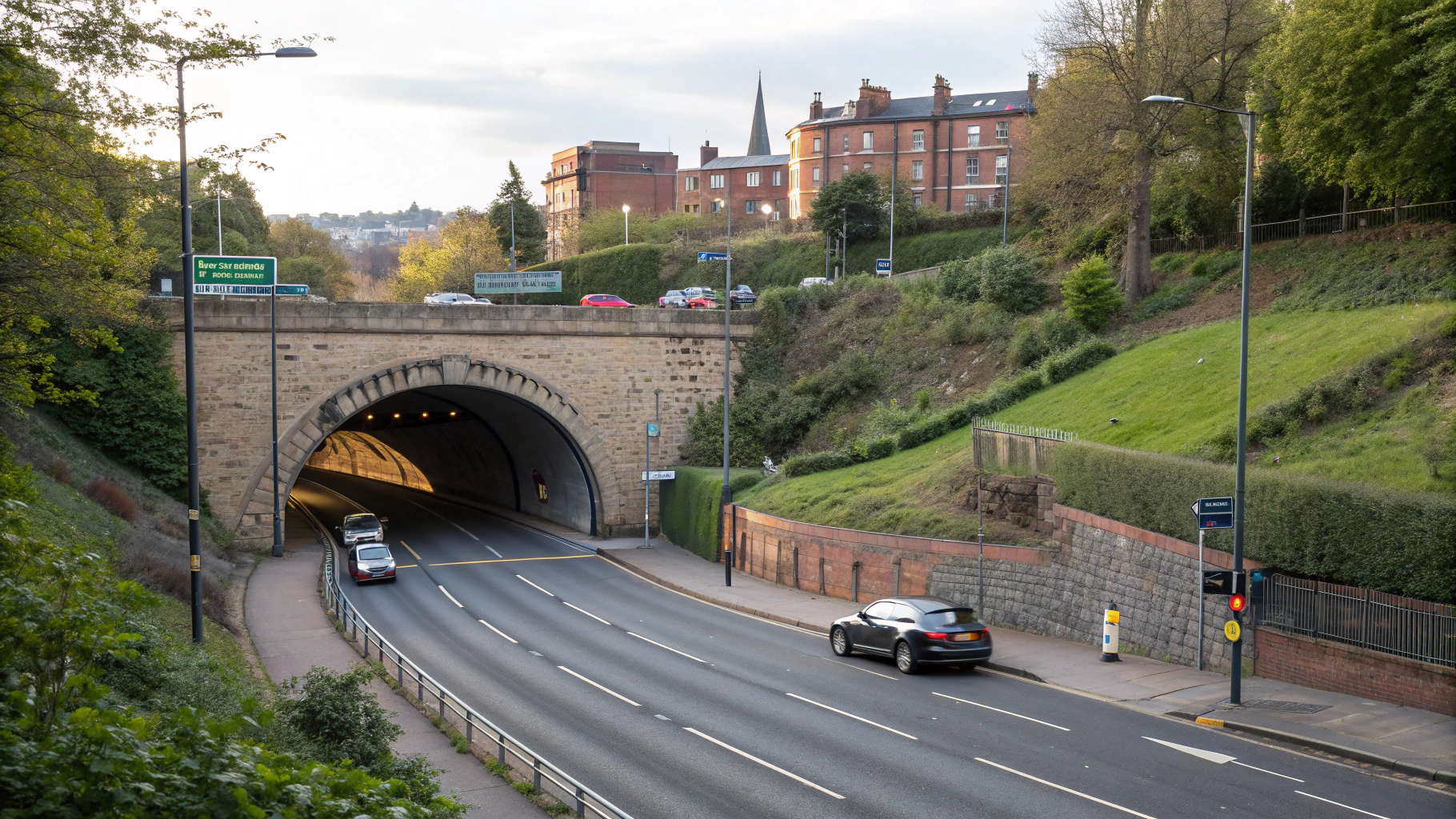
Have you ever wondered what hidden architectural treasures might be lurking beneath Nottingham's bustling streets? While Robin Hood and Nottingham Castle often steal the spotlight, Park Tunnel Nottingham remains one of the city's most fascinating yet overlooked historical gems. This magnificent Victorian tunnel, carved through solid sandstone in the 1850s, was originally built to allow horse-drawn carriages to access the prestigious Park Estate. Today, Park Tunnel stands as a testament to Victorian engineering prowess and offers visitors a glimpse into Nottingham's rich industrial past. Surprisingly, despite being hidden in plain sight, many locals have never ventured inside this remarkable structure that connects the city center with The Park residential area.
Destination Overview
Park Tunnel Nottingham is a breathtaking piece of Victorian engineering tucked away near Derby Road in Nottingham's city center. This impressive sandstone structure was completed in 1855, commissioned by the 4th Duke of Newcastle as a dramatic carriageway entrance to the exclusive Park Estate. Standing approximately 125 feet long, 25 feet high, and 18 feet wide, the tunnel features dramatic curved walls and remarkable stone steps running alongside the main passageway.
What makes Park Tunnel truly unique is its perfect fusion of functionality and aesthetic beauty. The tunnel's warm sandstone glows golden in certain light conditions, creating an almost cathedral-like atmosphere within its curved passages. Interestingly, the tunnel was never fully utilized for its intended purpose—it proved too steep for horse-drawn carriages, becoming something of a Victorian planning mishap that has transformed into a cherished historical landmark.
Nearby attractions include Nottingham Castle (just a 10-minute walk away), the charming streets of The Park Estate with its Victorian villas, and the vibrant city center with its shops, restaurants, and cultural venues like the Theatre Royal and Royal Concert Hall.
Best Time to Visit
Park Tunnel Nottingham offers different experiences depending on when you visit:
Spring (March-May): Perhaps the ideal time to visit, with mild temperatures between 10-18°C (50-64°F) and smaller crowds. The morning light creates particularly striking effects on the sandstone walls during this season. April visits are typically 30% less crowded than summer months.
Summer (June-August): Peak tourist season with temperatures averaging 15-22°C (59-72°F). The tunnel provides a cool respite from summer heat, but expect more fellow visitors, especially during weekends and Nottingham festival periods.
Autumn (September-November): A wonderful time to combine your tunnel visit with the spectacular colors in nearby parks. Temperatures range from 7-18°C (45-64°F), and tourism drops by approximately 40% compared to summer.
Winter (December-February): The least crowded time, though daylight hours are shorter (the tunnel is most photogenic in natural light). Temperatures average 2-7°C (36-45°F), and the tunnel can feel particularly atmospheric during the winter months.
For photography enthusiasts, early morning (8-10 AM) offers the best natural lighting conditions, with fewer people disrupting your shots.
How to Get There
Park Tunnel is conveniently located near Nottingham's city center, making it easily accessible by various transportation methods:
By Train: Nottingham Station is approximately a 20-minute walk from Park Tunnel. Direct trains connect Nottingham with major UK cities including London (1 hour 45 minutes), Manchester (1 hour 50 minutes), and Birmingham (1 hour 15 minutes). Average train fares range from £15-45 depending on how far in advance you book.
By Bus: Nottingham has an excellent bus network. Take any bus to the city center and it's a short walk to the tunnel entrance. The NCT Lime or Orange line buses stop near Derby Road. A day ticket costs around £4.50.
By Car: While driving is possible, parking in central Nottingham can be challenging and expensive (£8-15 per day). The nearest car parks are at Trinity Square or the Q-Park on Talbot Street.
From Nottingham Airport: East Midlands Airport is 15 miles away. The Skylink bus service runs every 20 minutes (£6 one-way) to Nottingham city center.
Local navigation tip: Use the "Derby Road entrance" in mapping apps for the most accurate directions to Park Tunnel, or look for the tunnel entrance near 3-5 Derby Road.
Step-by-Step Itinerary
Morning: City Center & Park Tunnel Exploration
Start your day with breakfast at 200 Degrees Coffee Shop on Flying Horse Walk before heading to Park Tunnel (a 10-minute walk). Arrive at the Derby Road entrance around 9:30 AM when the light conditions are ideal for photography. Spend approximately 30-45 minutes exploring the tunnel's fascinating architecture and reading the information plaques about its history.
Take the steps up through the tunnel to emerge in The Park Estate, one of Nottingham's most exclusive neighborhoods. Spend an hour wandering the peaceful streets lined with impressive Victorian villas and enjoy the circular gardens at the heart of the estate.
Afternoon: Nottingham Castle & Lace Market
Head to Nottingham Castle (reopened after a £30 million renovation), just a 10-minute walk from Park Tunnel. Explore the castle grounds, museum, and caves beneath (£13 adult entry, discounts available). Enjoy lunch at the castle's café or venture to Ye Olde Trip to Jerusalem, claimed to be England's oldest inn (dating from 1189).
After lunch, walk 15 minutes to Nottingham's historic Lace Market district. Visit the National Justice Museum (£10.95 entry) to learn about the UK's judicial system in a former Victorian courthouse and jail.
Evening: Cultural Experiences & Dining
Finish your day with dinner at one of Nottingham's finest restaurants near Park Tunnel. Try Hockley Arts Club for creative cocktails and modern British cuisine, or Iberico World Tapas for award-winning Spanish dishes (mains £15-25).
If you're visiting on a weekend, check what's playing at the Theatre Royal or Nottingham Playhouse, both within walking distance of the tunnel.
Where to Stay
Budget Options (£50-80 per night):
- Ibis Nottingham Centre - Clean, modern rooms just 10 minutes' walk from Park Tunnel
- Roomzzz Nottingham City - Aparthotel with kitchen facilities, perfect for longer stays
- Welbeck Hotel - Simple but comfortable accommodation with excellent transport links
Mid-Range Options (£80-150 per night):
- Mercure Nottingham City Centre - Boutique hotel in a historic building with stylish rooms
- Park Plaza Nottingham - Modern hotel with city views and just 12 minutes' walk to Park Tunnel
- St James Hotel - Boutique hotel in a converted townhouse with character-filled rooms
Luxury Options (£150+ per night):
- Hart's Hotel - Premium boutique hotel with garden terrace and acclaimed restaurant
- Lace Market Hotel - Elegant luxury in a historic building with sophisticated rooms
- The Nottingham Belfry - Spa hotel with pool and wellness facilities just outside the city
For families, the Premier Inn Nottingham City Centre offers spacious family rooms, while solo travelers might prefer the social atmosphere at Igloo Hybrid Hostel with both private rooms and dormitories.
Food to Try
Nottingham offers delicious local specialties that visitors should sample during their trip:
Stilton Cheese - Nottinghamshire is part of the region that produces authentic Stilton. Try it at The Cheese Shop in Flying Horse Walk, just minutes from Park Tunnel.
Mushy Peas - A local delicacy, traditionally served with mint sauce. The best are found at Goose Fair (October) or year-round at Annie's Burger Shack.
Nottingham Ale - The city has a proud brewing tradition. Visit Castle Rock Brewery's Vat & Fiddle pub to sample their award-winning Harvest Pale Ale.
Bramley Apple Desserts - The Bramley cooking apple originated in Nottinghamshire. Try apple pies or crumbles at Homemade Café near Park Tunnel.
Ye Olde Trip to Jerusalem offers traditional British pub fare in a historic setting carved into the castle rock. For modern British cuisine using local ingredients, Sat Bains (Nottingham's Michelin-starred restaurant) offers a splurge-worthy dining experience.
Street food enthusiasts should visit Sneinton Market on weekends, where local vendors serve everything from artisanal doughnuts to global cuisine.
Best Photo Spots
Park Tunnel offers several fantastic photography opportunities:
Tunnel Entrance - The imposing Derby Road entrance frames shots perfectly, especially in morning light when the sun illuminates the sandstone.
Internal Archways - The curved walls and dramatic height create spectacular architectural shots, best captured with wide-angle lenses.
Light Play - Visit around 10 AM when sunlight filters through the tunnel at specific angles, creating dramatic light patterns on the stone.
Staircase Views - The stone steps running alongside the tunnel offer unique vantage points both up and down the structure.
Beyond the tunnel itself, excellent photo opportunities include:
- The Park Estate's gas lamps and Victorian architecture
- Nottingham Castle's panoramic city views
- The colorful facades of Hockley's independent shops
- The historic Council House building in Old Market Square
Photography tip: Bring a tripod for low-light conditions inside the tunnel, and consider using HDR techniques to capture both the bright entrance and shadowed interior in one image.
Common Travel Mistakes to Avoid
Missing the entrance: Park Tunnel's Derby Road entrance is relatively unmarked and easy to walk past. Look for the large sandstone cutting between buildings numbered 3-5 Derby Road.
Poor timing: Many visitors arrive midday when lighting inside the tunnel is flat and crowds are largest. Visit before 10 AM for better photographic conditions and a more peaceful experience.
Inadequate footwear: The tunnel and surrounding Park Estate involve steep inclines and sometimes slippery stone surfaces. Wear comfortable, grip-soled shoes.
Ignoring nearby gems: Don't rush straight back to the city center after seeing the tunnel. The Park Estate itself offers gorgeous architecture and garden squares worth exploring.
Parking problems: Attempting to park directly near the tunnel is frustrating and expensive. Use park-and-ride facilities or arrive by public transport.
Weather unpreparedness: Nottingham's weather can change quickly. Bring a light raincoat even on seemingly clear days, especially if planning to explore beyond the tunnel.
Packing & Prep Tips
When visiting Park Tunnel Nottingham, consider these packing essentials:
Clothing: Layers are key in Nottingham's changeable climate. Even summer evenings can be cool, so pack a light jacket. Waterproof outerwear is advisable year-round.
Footwear: Comfortable walking shoes with good grip are essential for navigating the tunnel's stone surfaces and exploring the hilly Park Estate.
Photography gear: A camera with wide-angle lens capabilities will best capture the tunnel's impressive dimensions. Bring a small tripod for low-light interior shots.
Navigation tools: Download the Nottingham City Transport app for bus information and an offline map of the city center. Google Maps works well but sometimes misses pedestrian shortcuts.
Safety items: A small flashlight can be useful for examining architectural details in the tunnel's dimmer sections. Hand sanitizer and a basic first aid kit are always prudent.
Documentation: While Park Tunnel is freely accessible, bring ID and payment cards for nearby attractions like Nottingham Castle.
Local tip: The Robin Hood Card (£5) offers discounted public transport across Nottingham and is worth purchasing if staying more than a day.
Local Tips & Cultural Insights
Understanding Nottingham's local culture enhances your Park Tunnel experience:
Local etiquette: Nottingham locals (known as "Nottinghamians") are generally friendly but respect privacy. When photographing in The Park Estate, remember it's a residential area where people live.
Language quirks: You might hear locals use "duck" or "me duck" as a term of endearment in conversation – it's a friendly Nottinghamshire expression similar to "mate" or "dear."
Historical context: The Park Estate was developed as an exclusive residential area for wealthy industrialists during Nottingham's lace-making boom. This context explains the grandeur of Park Tunnel as an entrance statement.
Robin Hood connection: While Park Tunnel postdates the Robin Hood legend by centuries, Nottingham embraces its association with the outlaw. Locals have mixed feelings about this – appreciate the legend but recognize there's much more to the city.
Pub culture: If visiting local pubs, know that tipping isn't expected for drinks at the bar, though it's appreciated for table service and meals (10-15% is standard).
Green spaces: Nottingham is one of England's greenest cities. The "green line" walking route connects many parks and is a favorite with locals seeking exercise.
Trip Extensions & Nearby Places
Extend your Nottingham adventure with these worthwhile nearby destinations:
Wollaton Hall (3 miles from Park Tunnel) – This stunning Elizabethan mansion set in 500 acres of deer park was featured as Wayne Manor in "The Dark Knight Rises." Accessible via the 30 bus (20 minutes, £2.50), it houses a natural history museum and beautiful gardens.
Newstead Abbey (12 miles north) – The ancestral home of poet Lord Byron offers literary history amid medieval abbey ruins and beautiful gardens. Reach it by train to Newstead (25 minutes, around £5) plus a short walk.
Sherwood Forest (20 miles north) – Explore the legendary home of Robin Hood with ancient oak trees, including the famous Major Oak. Best reached by car (40 minutes) or the Sherwood Arrow bus from Victoria Bus Station (1 hour, £8 return).
Peak District National Park (25 miles northwest) – For outdoor enthusiasts, the stunning landscapes of Britain's first national park are within easy reach. The TransPeak bus service runs from Nottingham to Buxton (1.5 hours, £12).
Lincoln (39 miles northeast) – This historic cathedral city makes an excellent day trip. Direct trains take 50 minutes (approximately £15 return) and the magnificent Lincoln Cathedral and medieval center are must-sees.
For a multi-day extension, consider combining Nottingham with nearby Derby and Leicester to create a comprehensive East Midlands exploration.
Conclusion
Park Tunnel Nottingham stands as a magnificent reminder of Victorian ambition and engineering skill—a hidden treasure that rewards those curious enough to seek it out. This sandstone marvel offers not just a glimpse into Nottingham's industrial past, but a gateway to understanding how the city developed and how its wealthiest citizens once lived.
Whether you're captivated by architectural history, searching for unique photography opportunities, or simply enjoy discovering off-the-beaten-path attractions, Park Tunnel delivers an experience that connects you with Nottingham's soul in ways that more famous attractions sometimes can't.
As you plan your visit to Nottingham, make sure to allocate time for this underappreciated gem. The tunnel may have been a practical failure for its original purpose, but it has succeeded magnificently in becoming one of the city's most charming and surprising historical landmarks. Start your exploration here, and let Park Tunnel be your introduction to the many layers of Nottingham's rich and fascinating story.
FAQs
Is Park Tunnel Nottingham open to the public all year round?
Yes, Park Tunnel is freely accessible to the public throughout the year as it serves as a public right of way. There are no opening hours or entrance fees, though lighting is better during daylight hours.
How long does it take to visit Park Tunnel?
Most visitors spend 30-45 minutes exploring the tunnel itself, but allowing 1-2 hours gives you time to also explore the surrounding Park Estate area with its Victorian architecture.
Is Park Tunnel suitable for visitors with mobility issues?
Unfortunately, Park Tunnel features stone steps and steep inclines that make it challenging for those with mobility limitations. The main carriageway has a significant gradient, and the pedestrian access involves steps.
Are there guided tours available of Park Tunnel?
While there are no regular scheduled tours, the Nottingham Civic Society occasionally offers guided historical walks that include Park Tunnel. Check their website or the Nottingham Tourism Centre for current offerings.
What's the best way to photograph Park Tunnel?
Morning light (8-10 AM) provides the best natural illumination. A wide-angle lens helps capture the tunnel's dimensions, and HDR techniques can balance the bright entrance with darker interior. A tripod is recommended for longer exposures.
Can I combine Park Tunnel with other Nottingham attractions in one day?
Absolutely! Park Tunnel is centrally located and can easily be combined with Nottingham Castle, the Lace Market district, and city center attractions in a single day of exploration.