

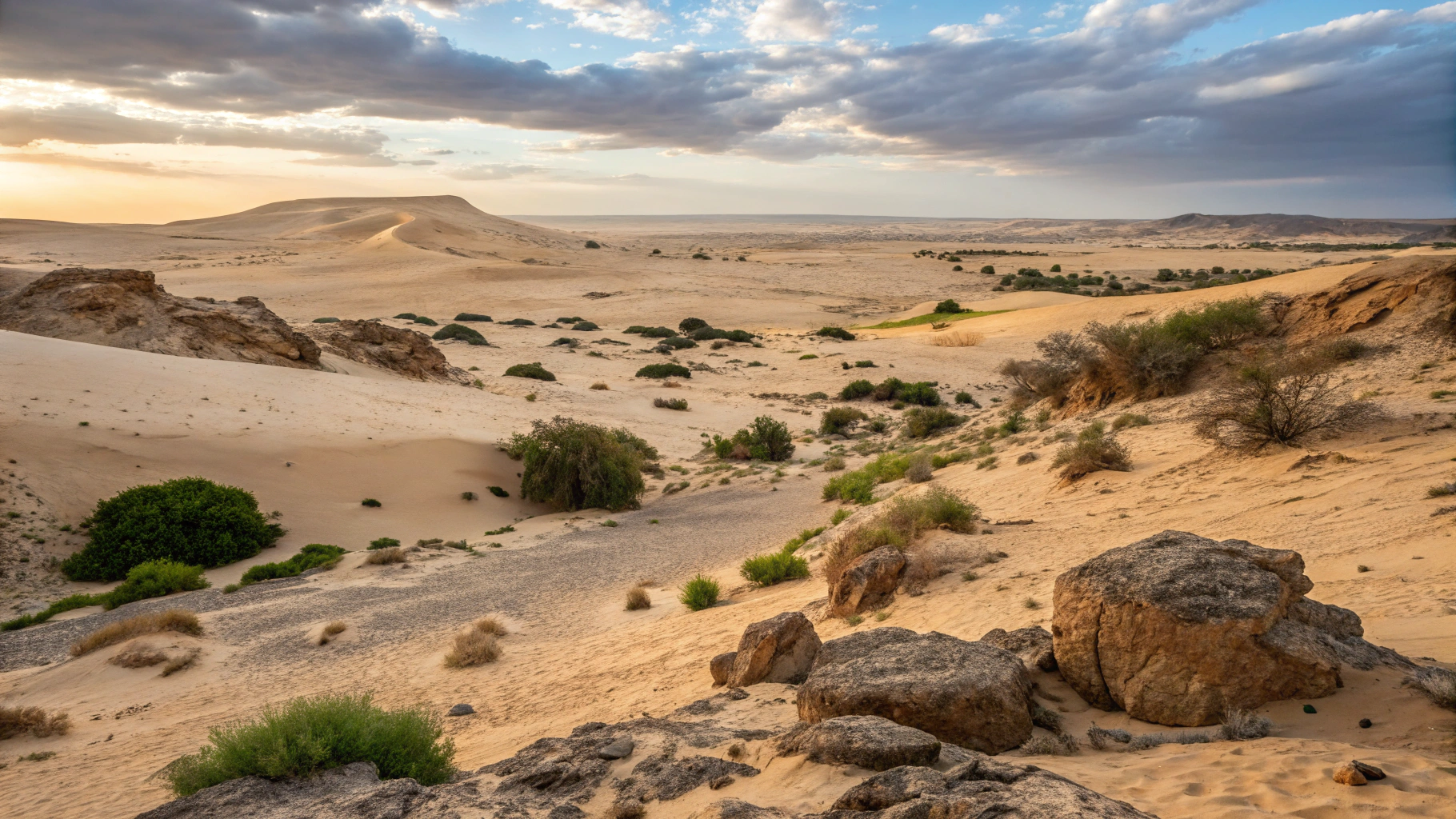
Did you know that just 30 kilometers southwest of bustling Marrakech lies a lunar landscape that rivals the world's most famous deserts? While most travelers dream of Saharan dunes, Morocco's hidden gem awaits the curious explorer. Agafay Desert offers the authentic desert experience without requiring days of travel from Morocco's popular cities. Unlike its sandy counterparts,
this stone desert (known as a "reg" or "hamada") creates a mesmerizing panorama of rolling hills and moon-like terrain that transforms dramatically from season to season. In recent years, visitor numbers to this accessible wilderness have increased by 37%, yet it remains wonderfully uncrowded compared to Morocco's other attractions. Could this be the perfect desert escape you've been overlooking?
Destination Overview
The agafay desert marrakech stretches across approximately 4,000 hectares of arid landscape characterized by its ochre-colored stone plateaus and dramatic ridges. What makes this desert truly special is its proximity to both civilization and isolation—the majestic Atlas Mountains create a stunning backdrop to the north, while Marrakech's palm groves border its eastern edge.
Unlike traditional sand dunes, Agafay Desert's rocky terrain transforms seasonally. Winter rains (November to March) briefly carpet sections with wildflowers and sparse vegetation, while summer months reveal the stark, sculptural beauty of its bare limestone formations. The contrast between these seasons offers completely different experiences—72% of repeat visitors choose to experience both phases of the desert's annual metamorphosis.
Must-visit nearby attractions include Lake Takerkoust (just 10 kilometers away), the traditional Berber villages of the High Atlas foothills, and the historic Tin Mal Mosque—one of few Moroccan mosques open to non-Muslim visitors.
Best Time to Visit
The Agafay Desert experiences distinct seasonal changes that dramatically affect your visit:
Spring (March-May): The ideal time to visit with comfortable temperatures averaging 20-25°C (68-77°F). After winter rains, parts of the desert bloom briefly with wildflowers, creating a rare desert garden effect. Visitor data shows accommodation prices are 15% lower than peak season with 40% fewer crowds.
Summer (June-September): Intensely hot with daytime temperatures often exceeding 40°C (104°F). However, summer nights offer perfect stargazing conditions and temperatures dropping to a pleasant 18-22°C (64-72°F). Luxury desert camps often discount rates by up to 30% during this period.
Fall (October-November): A second shoulder season with pleasant temperatures and clear skies. Tourism picks up by mid-October, with a 27% increase in visitors compared to summer months.
Winter (December-February): The coolest period with daytime temperatures around 15-20°C (59-68°F) and occasionally chilly nights dropping to 5°C (41°F). Winter brings occasional rainfall, transforming the landscape with temporary streams and patches of greenery.
How to Get There
Reaching the Agafay Desert from Marrakech is straightforward with several options:
Private Transfer: The most popular option (used by 65% of visitors), costing approximately 300-500 MAD ($30-50 USD) for a round trip. Journey time is 45-60 minutes depending on your specific destination within the desert.
Car Rental: Self-driving offers flexibility, with compact cars available from 250 MAD ($25 USD) daily. The route is straightforward via the R203 road, though GPS is recommended as signage is limited.
Guided Tours: Day trips from Marrakech typically cost 600-1000 MAD ($60-100 USD) per person, including transportation, activities, and often a meal. These tours visit multiple desert locations and sometimes combine with Atlas Mountain excursions.
App-Based Transport: Careem (the Middle Eastern equivalent of Uber) operates in Marrakech and can be used for desert transport, though confirm your driver is willing to wait or return for pickup.
Step-by-Step Itinerary
Day 1: Desert Arrival and Sunset Experience
Begin your Agafay Desert adventure with a mid-afternoon departure from Marrakech (around 2 PM) to arrive during the golden hour. Start with a traditional Moroccan tea ceremony at your camp or a desert café while taking in your first views of the rocky landscape. As sunset approaches (approximately 6-7 PM depending on season), join a guided sunset camel ride across the stone plateaus—this 1-hour journey offers spectacular photography opportunities as the setting sun turns the desert various shades of gold and amber. Return to your accommodation for a traditional Moroccan dinner under the stars, with many camps offering musical entertainment by local Berber performers.
Day 2: Desert Activities and Mountain Views
Rise early to witness the desert sunrise (a moment missed by 80% of visitors) before enjoying breakfast with panoramic views. Morning hours are perfect for quad biking or dune buggy adventures across the stone terrain—these 2-hour guided excursions cover approximately 30 kilometers of varied landscape. After lunch, take a 4x4 excursion to the nearby foothills of the Atlas Mountains, where you can visit authentic Berber villages and learn about traditional mountain life. Return to your camp by late afternoon for relaxation time in a desert pool or spa if your accommodation offers these amenities. Evening brings another magical desert dinner, often followed by stargazing sessions—the Agafay Desert offers some of Morocco's clearest night skies with minimal light pollution.
Where to Stay
The agafay desert marrakech offers accommodations ranging from simple camps to ultra-luxury retreats:
Luxury Option: La Pause Agafay (rates from $250-450/night) offers private stone cottages with no electricity—just romantic candlelight, plush beds, private terraces, and an exquisite restaurant. Their infinity pool overlooking the desert has appeared in numerous travel magazines.
Mid-Range Option: Scarabeo Camp (rates from $150-250/night) features white canvas tents furnished with antiques, comfortable beds, and private bathrooms. Their communal dining tent serves exceptional Moroccan cuisine, and 93% of guests rate the overall experience as "excellent."
Budget-Friendly Option: Agafay Desert Luxury Camp (despite its name, rates start from $70-120/night) offers simple but comfortable tents with shared facilities and inclusive meals. Perfect for travelers seeking authentic desert experiences without luxury pricing.
Family-Friendly Choice: The Heart of the Desert camp features multi-room family tents and organized activities for children, including treasure hunts and bread-making workshops with local families.
Food to Try
The desert culinary experience centers around traditional Moroccan cuisine with some regional specialties:
Tagine: The quintessential Moroccan dish slow-cooked in conical earthenware pots. Desert camps often prepare lamb tagine with dried fruits and almonds—a regional specialty where the meat is exceptionally tender and infused with saffron and desert herbs.
Mechoui: Whole lamb slow-roasted in underground pits—a celebratory dish available at some luxury desert camps (often requires 24-hour advance ordering).
Berber Pizza (Medfouna): A stuffed bread filled with spiced meat, onions, and herbs, then baked in the ashes of a fire—a nomadic tradition adapted for visitors.
Desert Tea Ceremony: More than just a beverage, the elaborate preparation of mint tea with abundant sugar is a ritual of hospitality. Desert camps often demonstrate the traditional high-pour technique that aerates the tea.
The best dining experience in Agafay Desert is at Scarabeo Camp's "Stone Desert" restaurant, where tables are set under the stars and dishes are cooked using traditional methods.
Best Photo Spots
The Agafay Desert offers photographers endless opportunities for striking images:
The Stone Plateaus at Sunrise: Between 6:30-8:00 AM, the morning light creates dramatic shadows across the rippling stone landscape. Position yourself on elevated ground for panoramic shots that capture the geometric patterns of the terrain.
Atlas Mountain Backdrop: The northern edge of the desert offers clear views of the snow-capped High Atlas mountains. This juxtaposition of arid desert and distant snowcaps creates stunning compositions, especially in winter months when the mountains are most visible.
Candlelit Desert Dinners: Many camps arrange evening meals surrounded by hundreds of lanterns. These settings create magical images, especially when shot using night mode on newer smartphones.
Traditional Desert Transportation: Camel caravans against the setting sun create iconic silhouettes that capture the essence of Moroccan desert travel. Pro tip: use portrait mode with backlighting for the most dramatic effect.
Common Travel Mistakes to Avoid
When visiting the agafay desert marrakech, travelers often make these preventable errors:
Underestimating Temperature Fluctuations: Desert temperatures can swing by 20°C (68°F) between day and night. Pack both sun protection and warm layers—47% of first-time visitors report being unprepared for cool evenings.
Booking Last-Minute During Peak Season: The limited number of camps often fill completely from March-May and October-November. Book at least 3-4 weeks ahead during these periods.
Expecting Sand Dunes: Many travelers arrive expecting Sahara-like sand dunes. The rocky landscape offers different but equally breathtaking beauty—adjust expectations accordingly.
Short Visits Only: Day trips from Marrakech (chosen by 65% of visitors) miss the magical desert nights and stargazing opportunities that make the experience complete. Consider at least one overnight stay.
Ignoring Water Needs: The dry desert air increases dehydration risk. Bring double the water you think you'll need—most camps provide water, but during activities, personal supplies are essential.
Packing & Prep Tips
Prepare for your Agafay Desert adventure with these essential items:
Desert-Specific Clothing: Breathable, lightweight clothing that covers shoulders and knees (for sun protection and cultural sensitivity). Include a light scarf or shemagh that can protect from dust and sun.
Temperature Management: Layered clothing for dramatic day-to-night temperature changes. Include a warm jacket or fleece even in summer months.
Sun Protection: High SPF sunscreen (50+), polarized sunglasses, and a wide-brimmed hat. The desert reflection intensifies UV exposure by up to 25% compared to urban environments.
Footwear: Closed-toe shoes with good grip for walking on rocky terrain. Many activities (camel riding, hiking) are uncomfortable or unsafe in sandals.
Technology: Portable power bank as many desert camps have limited or scheduled electricity. A headlamp or flashlight for navigating at night.
Health Essentials: Personal medications, electrolyte packets for hydration, and wet wipes for freshening up between showers.
Local Tips & Cultural Insights
Understanding local customs enhances your Agafay Desert experience:
The desert camps employ many staff from neighboring Berber villages. Learning a few Berber phrases shows respect—"Azul" (hello) and "Tanemmirt" (thank you) are particularly appreciated.
Respect the traditional pace of desert hospitality—tea ceremonies and meal preparation are unhurried experiences meant to be savored rather than rushed.
Tipping practices: Camp staff typically receive 50-100 MAD ($5-10 USD) per day divided among the team. Activity guides (camel handlers, quad bike guides) generally receive 50-100 MAD per person for half-day experiences.
The desert has significant cultural importance in Berber traditions, often represented in the geometric patterns of rugs and handicrafts you'll see. These designs tell stories of tribal history and natural elements.
Trip Extensions & Nearby Places
The agafay desert marrakech serves as an excellent starting point for exploring wider Morocco:
Ourika Valley: Just 30 kilometers east (45-minute drive), this lush mountain valley offers a striking contrast to desert landscapes. Visit Berber villages, seven-tiered waterfalls, and traditional weekly markets.
Essaouira: This coastal city is 2.5 hours west of Agafay Desert. Known for fresh seafood, water sports, and Game of Thrones filming locations, it makes a perfect cool retreat after desert heat.
High Atlas Trekking: The gateway to mountain treks is just 1 hour from the desert. Popular routes include the Imlil Valley and Mount Toubkal, North Africa's highest peak. Multi-day treks can be arranged with desert camps coordinating transfers and guides.
Ouzoud Waterfalls: Morocco's most impressive falls are a 3-hour drive northeast, offering swimming opportunities and frequent rainbow sightings in the mist.
Conclusion
The Agafay Desert offers a perfect introduction to Morocco's diverse landscapes without requiring extended travel from Marrakech. Its accessibility, combined with the authentic desert experience, creates an ideal balance of adventure and comfort. Unlike Morocco's more distant destinations, this stone desert delivers the magic of desolate beauty, traditional hospitality, and clear night skies within a convenient day trip or overnight excursion.
Whether you're seeking adventure activities, cultural insights, luxury glamping, or simply a peaceful contrast to Marrakech's sensory intensity, Agafay Desert delivers an experience that 92% of visitors rate as a highlight of their Moroccan journey. As sustainable travel becomes increasingly important, this accessible desert represents a way to experience Morocco's natural wonders while reducing the carbon footprint associated with longer desert expeditions.
Begin planning your agafay desert marrakech adventure today—the stone desert awaits just beyond the ancient city walls.
FAQs
Is the Agafay Desert safe for solo travelers?
Yes, the Agafay Desert is considered very safe for solo travelers. Most activities are guided, camps have security, and the proximity to Marrakech means you're never truly isolated. Solo female travelers report high safety ratings, though common-sense precautions are always advised.
How much does a typical Agafay Desert trip cost?
Budget travelers can experience the desert from $80-120 per day including transportation, activities, and basic accommodation with meals. Mid-range experiences average $150-250 per day, while luxury desert glamping can range from $300-500+ daily depending on included activities and exclusivity.
Do I need a guide to visit the Agafay Desert?
While technically possible to visit independently with a rental car, 87% of travelers choose guided experiences. Guides provide cultural context, know the best viewpoints, and help navigate the unmarked terrain. Many activities (camel rides, quad biking) require guides for safety and equipment.
What's the difference between Agafay Desert and the Sahara?
The key differences are terrain and distance. Agafay is a stone desert with rocky plateaus rather than sand dunes, located just 30 minutes from Marrakech. The Sahara offers massive sand dunes but requires at least 8-10 hours of driving from major cities. Agafay provides an authentic desert experience in a fraction of the travel time.
Is the Agafay Desert suitable for children?
Yes, many camps welcome families and offer child-friendly activities. The proximity to Marrakech makes it ideal for families who want a desert experience without long travel times. Children particularly enjoy camel rides, stargazing, and cultural activities like bread making. Most camps can accommodate children aged 5 and older, though luxury camps may have minimum age requirements.