

Introduction
Did you know that over 30 million tourists visit London's iconic landmarks each year, with each visitor spending an average of 4.9 days exploring the city? The British capital boasts over 2,000 years of history etched into its skyline, where Roman ruins stand alongside futuristic skyscrapers. London landmarks aren't just photo opportunities—they're living museums that tell the story of an empire, architectural innovation, and cultural revolution. Whether you're planning to conquer the london landmarks half marathon or simply want to explore these magnificent structures at your leisure, this guide will take you through 15 spectacular sites that have shaped not just British history, but world history.
Destination Overview
London's landscape is a captivating blend of medieval towers, Victorian engineering marvels, and sleek contemporary designs. The city strategically straddles the Thames River, with most iconic landmarks concentrated within Zone 1 of London's transport system. Beyond the postcard-famous Big Ben and Tower Bridge, London harbors lesser-known historical gems like Leadenhall Market and the Monument to the Great Fire.
What makes London's landmarks truly unique is their continued relevance—many historic buildings still function as working government offices, royal residences, or places of worship. According to Visit Britain, seven of the UK's top ten most-visited attractions are in London, with the British Museum leading the pack at approximately 6.2 million visitors annually.
Best Time to Visit
London's landmarks are accessible year-round, but your experience can vary dramatically with the seasons:
Spring (March-May): Perhaps the optimal time to visit, with comfortable temperatures (10-17°C), blooming royal parks, and 30% fewer tourists than summer. The London Landmarks Half Marathon typically occurs in early spring, offering a unique way to see major sites.
Summer (June-August): Peak tourist season brings warmer weather (18-25°C) but also 40% higher accommodation prices and longer queues—expect to wait up to 90 minutes for popular attractions like the London Eye.
Autumn (September-November): A local favorite with golden foliage in royal parks, cultural festivals, and tourist numbers dropping by approximately 25% from summer peaks.
Winter (December-February): Offers magical Christmas illuminations and January hotel rates that average £115 cheaper per night than July, though daylight hours are limited (8am-4pm).
How to Get There
London is served by six international airports, with Heathrow handling over 80 million passengers annually:
By Air: Direct flights connect London to 180+ destinations worldwide. From Heathrow, the Heathrow Express reaches central London in just 15 minutes (£25), while the more economical Tube takes 45 minutes (£5.50).
By Train: The Eurostar connects London to Paris, Brussels, and Amsterdam in under 3.5 hours, arriving at St. Pancras International—itself a Victorian architectural marvel.
Local Transport: The Oyster card or contactless payment system offers the most cost-effective way to navigate the city, with unlimited daily travel capped at £7.70.
Apps to Download: Citymapper provides real-time journey planning, while the official TfL Go app offers accessibility information and quieter travel times.
Step-by-Step Itinerary
Day 1: Royal London
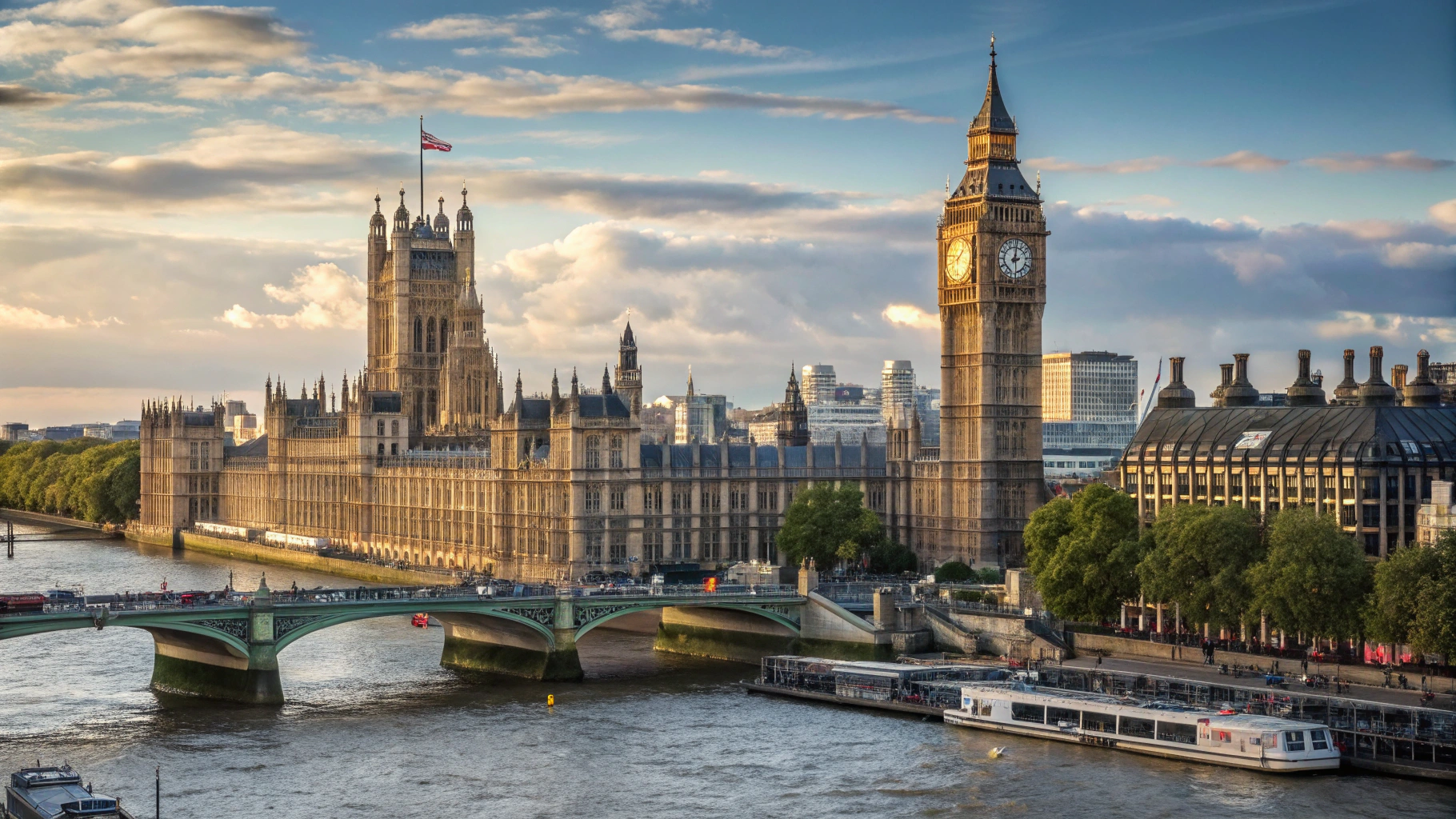
Start at Buckingham Palace for the Changing of the Guard (11am, check schedule as it doesn't occur daily), then stroll through St. James's Park to Westminster Abbey (£27 entry, but save £5 by booking online). After exploring the coronation site of British monarchs since 1066, cross Parliament Square to admire the Houses of Parliament and Big Ben.
Time-saving tip: Book Westminster Abbey tickets for 2pm when most tour groups have departed, reducing your wait time by approximately 40 minutes.
Day 2: Historic Tower & Modern Skyline
Begin at the Tower of London (opening at 9am; arrive 15 minutes before to beat the crowds). After seeing the Crown Jewels, walk across Tower Bridge and along the South Bank to Borough Market for lunch. Continue to St. Paul's Cathedral (climb the 528 steps to the Golden Gallery for panoramic views), then finish with sunset cocktails at Sky Garden (free entry but requires booking).
Day 3: Museums & Markets
Dedicate morning hours to the British Museum's highlights (free entry, but arrive at 9am to enjoy the Rosetta Stone before crowds increase by 300% around 11am). Afterwards, explore Covent Garden's street performers and boutiques, then take the Tube to South Kensington for the Science Museum, Natural History Museum, or Victoria & Albert Museum—all offering free admission.
Where to Stay
Luxury: The Savoy or Claridge's offer historic grandeur within walking distance of central landmarks, with rooms starting at £550.
Mid-range: CitizenM Tower of London provides tech-forward accommodations with panoramic views from £150 per night.
Budget-friendly: Premier Inn County Hall offers surprising value from £89, positioned directly opposite the London Eye and Westminster.
Family option: The Resident Kensington provides kitchenettes in rooms and proximity to museums from £140, saving families an average of £75 daily on dining expenses.
Food to Try
No landmarks tour is complete without sampling London's culinary heritage:
Traditional: Fish and chips at Golden Union in Soho, or Sunday roast at The Grazing Goat near Hyde Park.
Historic: Dine at Rules (London's oldest restaurant, established 1798) for authentic game dishes, or try traditional pie and mash at M.Manze on Tower Bridge Road.
Market experiences: Sample international cuisines at Borough Market (Thursday-Saturday) or Maltby Street Market (weekends), where local artisans have revitalized historic railway arches.
Afternoon Tea: Experience this quintessentially British tradition at The Wolseley (£39.75) or, for a more affordable option, the Tate Modern's restaurant (£22) with stunning riverside views.
Best Photo Spots
- Primrose Hill for skyline panoramas (best at sunrise when 90% fewer people are present)
- St. Paul's Cathedral from One New Change shopping center's roof terrace
- The secret Tulip Stairs in the Queen's House, Greenwich
- Little Venice's canal paths captured in morning light
- Tower Bridge from the Girl with a Dolphin fountain (particularly striking during blue hour)
Pro tip: Visit Instagram hotspots like Notting Hill's colorful houses before 9am to avoid both crowds and residents trying to access their homes.
Common Travel Mistakes to Avoid
- Standing on the left: On escalators, especially in Tube stations, stand right and walk left—ignoring this causes significant local irritation.
- Over-scheduling: First-time visitors often attempt 6+ landmarks daily; realistically, 3-4 is maximum due to transport time between sites.
- Ignoring pre-booking options: Attractions like the Tower of London and Westminster Abbey offer up to 20% discounts and priority access when booked online.
- Missing free attractions: Many visitors pay for tours while overlooking free museums that constitute 7 of the world's top 20 most-visited cultural institutions.
Conclusion
London's landmarks tell stories of power, innovation, tragedy, and triumph spanning two millennia. From ancient Roman walls to the futuristic Shard, each structure offers a window into different chapters of British and world history. As Samuel Johnson famously noted, "When a man is tired of London, he is tired of life"—a sentiment that remains true for modern travelers discovering the city's monumental treasures. Whether you're conquering the London Landmarks Half Marathon or creating your own historic walking tour, these 15 spectacular sites promise memories as enduring as the structures themselves.
FAQs
What's the most efficient way to see London's major landmarks in limited time?
Consider a Thames river cruise which passes 15+ major landmarks in 40 minutes, or the hop-on-hop-off buses that connect major sites while providing commentary.
Are London landmarks accessible for visitors with mobility challenges?
Most major landmarks have implemented accessibility features, though historic buildings have limitations. Tower Bridge, The Shard, and the British Museum offer excellent accessibility, while Westminster Abbey provides dedicated routes.
How much should I budget daily for sightseeing in London?
For major landmarks, budget £20-30 per paid attraction. However, many world-class museums are free, and the London Pass (£79 for one day) covers 80+ attractions and can save up to £100 daily with strategic use.
Is the London Landmarks Half Marathon suitable for amateur runners?
Yes, with approximately 40% of participants being first-time half-marathon runners. The relatively flat course passes 12+ landmarks, though registration fills quickly, typically within 24 hours of opening.