

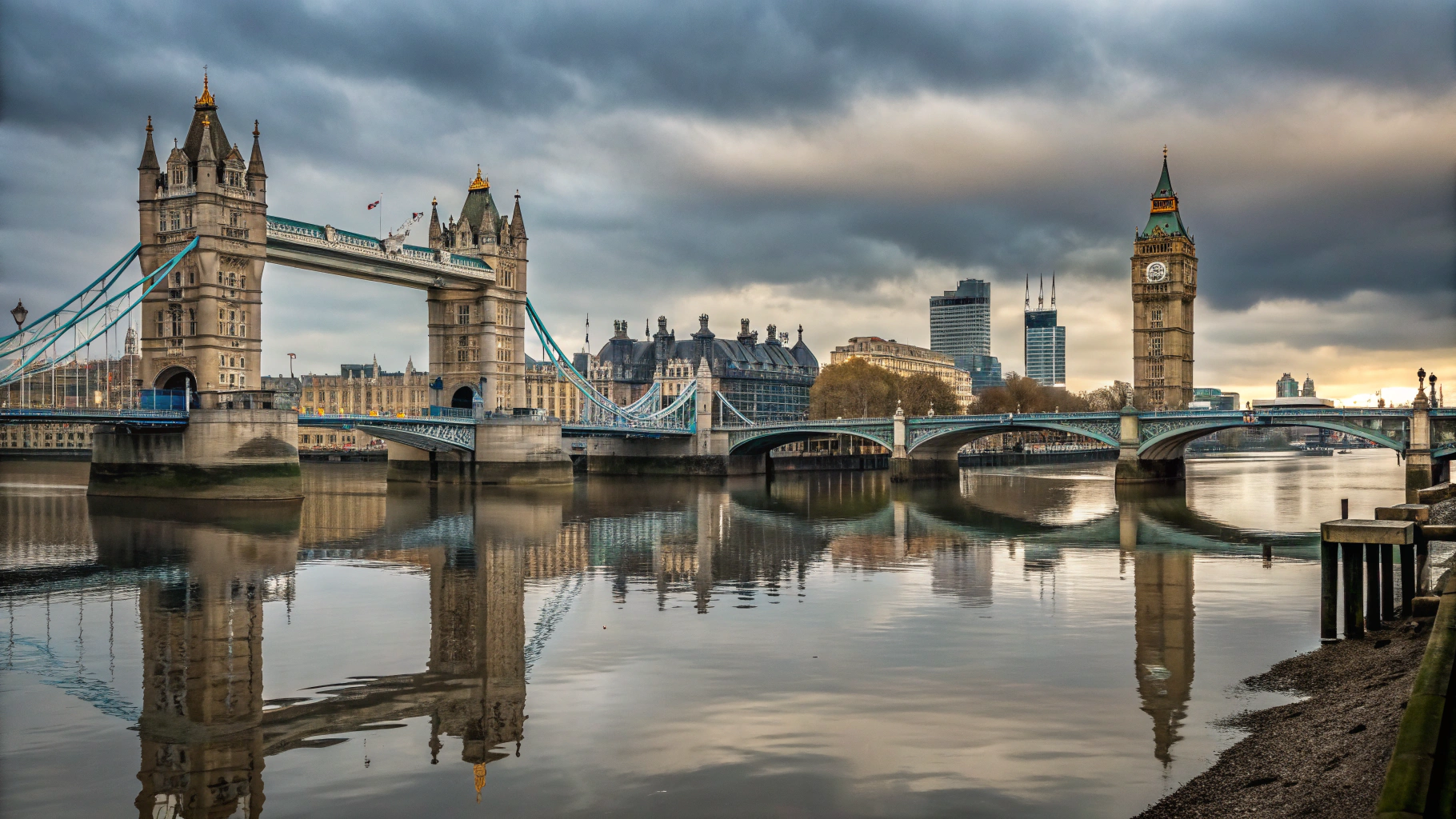
Have you ever wondered what stories lie beneath the iconic river crossings that have shaped London for centuries? From medieval stone arches to modern engineering marvels, London bridges are far more than mere transportation links—they're living chapters in the city's evolving narrative. While many visitors know the nursery rhyme london bridges falling down meaning, few understand its historical context or appreciate how these magnificent structures have defied collapse for generations. This walking tour reveals the architectural genius, historical significance, and hidden secrets of London's most fascinating river crossings.
Destination Overview
The River Thames winds through London's heart like a liquid timeline, with 35 bridges connecting its banks within Greater London. Each bridge tells a unique story—from the neo-Gothic magnificence of Tower Bridge to the sleek modernism of the Millennium Bridge. London's bridges showcase centuries of engineering innovation, architectural styles, and cultural significance. Nearby attractions complement any bridge tour: the Tower of London stands sentinel near Tower Bridge, St. Paul's Cathedral creates a stunning backdrop for the Millennium Bridge, and the Houses of Parliament neighbor Westminster Bridge. Together, these crossings form an open-air museum of London's evolution from Roman settlement to global metropolis.
Best Time to Visit
Spring (April-June): The ideal season for bridge photography, with mild temperatures (15-20°C), minimal rainfall, and beautiful riverbank blooms. April sees 30% fewer tourists than July.
Summer (July-August): Peak tourist season with warmest temperatures (23-25°C) but 40% higher accommodation costs and crowded viewpoints.
Autumn (September-October): Golden afternoon light creates magical reflections on the Thames, with comfortable temperatures (14-18°C) and 25% fewer visitors than summer.
Winter (November-February): Dramatically lower tourist numbers with atmospheric foggy mornings perfect for moody photography. December evenings feature magical holiday illuminations on several bridges.
How to Get There
Walking Tour Starting Point: Tower Bridge
- By Tube: Tower Hill (Circle and District lines) or London Bridge (Northern and Jubilee lines)
- By Bus: Routes 15, 42, 78, 100, or RV1
- By Riverboat: Thames Clippers to Tower Pier
Transport Passes: Purchase a Visitor Oyster Card (£5 activation fee) or use contactless payment for unlimited daily travel capped at £7.20 in central zones.
Navigation Apps: CityMapper and TfL Go provide real-time transport updates and walking routes.
Day 1: Eastern Bridges Itinerary
9:00 AM - Tower Bridge: Begin at London's most iconic bridge, completed in 1894. Visit the Tower Bridge Exhibition (£10.60 adults) to access the glass walkway 42 meters above the Thames. Arrive early to beat crowds and catch the bridge lift schedule displayed onsite.
11:30 AM - London Bridge: A 10-minute walk west brings you to the current London Bridge (1973), surprisingly modest but steeped in history. The previous versions include the medieval bridge completed in 1209 that stood for over 600 years.
1:00 PM - Southwark Bridge: Continue west to this elegant cast-iron bridge completed in 1921, featuring distinctive green and gold paintwork. Enjoy lunch at Borough Market, just a short detour south.
3:00 PM - Millennium Bridge: End your day at this sleek pedestrian suspension bridge connecting Tate Modern with St. Paul's Cathedral. Time your visit for sunset to capture spectacular views in both directions.
Where to Stay
Luxury: The Tower Hotel (£250+/night) offers unparalleled views of Tower Bridge from many rooms. The Shangri-La at The Shard (£500+/night) provides panoramic vistas of multiple bridges from its upper floors.
Mid-Range: CitizenM Bankside (£150-200/night) places you minutes from Millennium Bridge with reasonable rates and modern amenities.
Budget: YHA London St Paul's (£70-100/night) sits near Millennium Bridge with affordable private and dormitory rooms.
Alternative: Airbnb houseboat rentals (£120-250/night) offer a unique Thames-level perspective of London's bridges.
Food to Try
Bridge-Side Dining: Savor classic fish and chips at Butler's Wharf by Tower Bridge, where riverside tables offer direct bridge views. The Swan at Shakespeare's Globe near Millennium Bridge serves traditional British cuisine with panoramic river vistas.
Historic Pubs: The Anchor Bankside near Southwark Bridge dates to 1615 and survived the Great Fire of London. The Founders Arms beside Millennium Bridge offers craft beers with St. Paul's Cathedral views.
Market Treats: Borough Market near London Bridge hosts over 100 food stalls perfect for sampling local specialties like Scotch eggs, artisanal cheeses, and fresh oysters.
Best Photo Spots
Tower Bridge Glass Floor: Capture unique downward views through the walkway's glass floor panels when vessels pass below.
London Bridge Pier: Shoot Tower Bridge perfectly framed between buildings from this less-known vantage point.
One New Change Rooftop: Access this free viewing platform for stunning Millennium Bridge and St. Paul's Cathedral compositions.
South Bank Cultural Trail: The walking path between bridges offers numerous photography angles throughout the day. Early morning provides misty, atmospheric shots with minimal crowds.
Common Travel Mistakes to Avoid
Confusing Tower Bridge with London Bridge: Many visitors mistakenly identify Tower Bridge as London Bridge. The actual London Bridge is a relatively plain structure nearby.
Missing Bridge Lift Times: Tower Bridge raises several times daily to allow tall vessels through. Check schedules online to witness this spectacular sight.
Overlooking Free Viewpoints: Skip paid attractions when excellent free vantage points exist, like the south bank path and various riverside pubs.
Weather Unpreparedness: Even on sunny days, the Thames creates stronger wind effects than surrounding areas. Bring layers and rain protection regardless of forecast.
Conclusion
From medieval engineering to futuristic design, London's bridges embody the city's resilience, innovation, and beauty across centuries. Whether you're capturing the perfect photograph, learning about engineering breakthroughs, or simply absorbing their magnificent presence, these structures offer profound insights into London's evolution. As you walk these historic spans, you're literally crossing through time—each footstep connecting you to countless travelers who came before. Start planning your London bridge exploration today and discover why these architectural marvels continue inspiring wonder long after the nursery rhymes fade.
FAQs
How long does a complete London bridges walking tour take?
A comprehensive tour covering all central London bridges takes approximately 6-8 hours. Most visitors prefer spreading it across two days to enjoy attractions near each bridge.
Which London bridge has the best views?
Tower Bridge's glass walkway offers the most spectacular Thames views, while Millennium Bridge provides the best St. Paul's Cathedral perspective.
Is Tower Bridge Exhibition worth the entrance fee?
Yes, for those interested in engineering history and unique views. The glass floor installation and Victorian engine rooms justify the £10.60 admission.
What's the real meaning behind "London Bridge is Falling Down"?
The nursery rhyme likely refers to multiple historical incidents, including Viking attacks in 1014 and the bridge's poor medieval maintenance, though no definitive single origin exists.
Are London's bridges accessible for those with mobility limitations?
Most modern bridges are fully accessible, though Tower Bridge's exhibition requires elevator use. The Thames Clipper boat service provides an excellent alternative for those unable to walk between bridges.