

Introduction
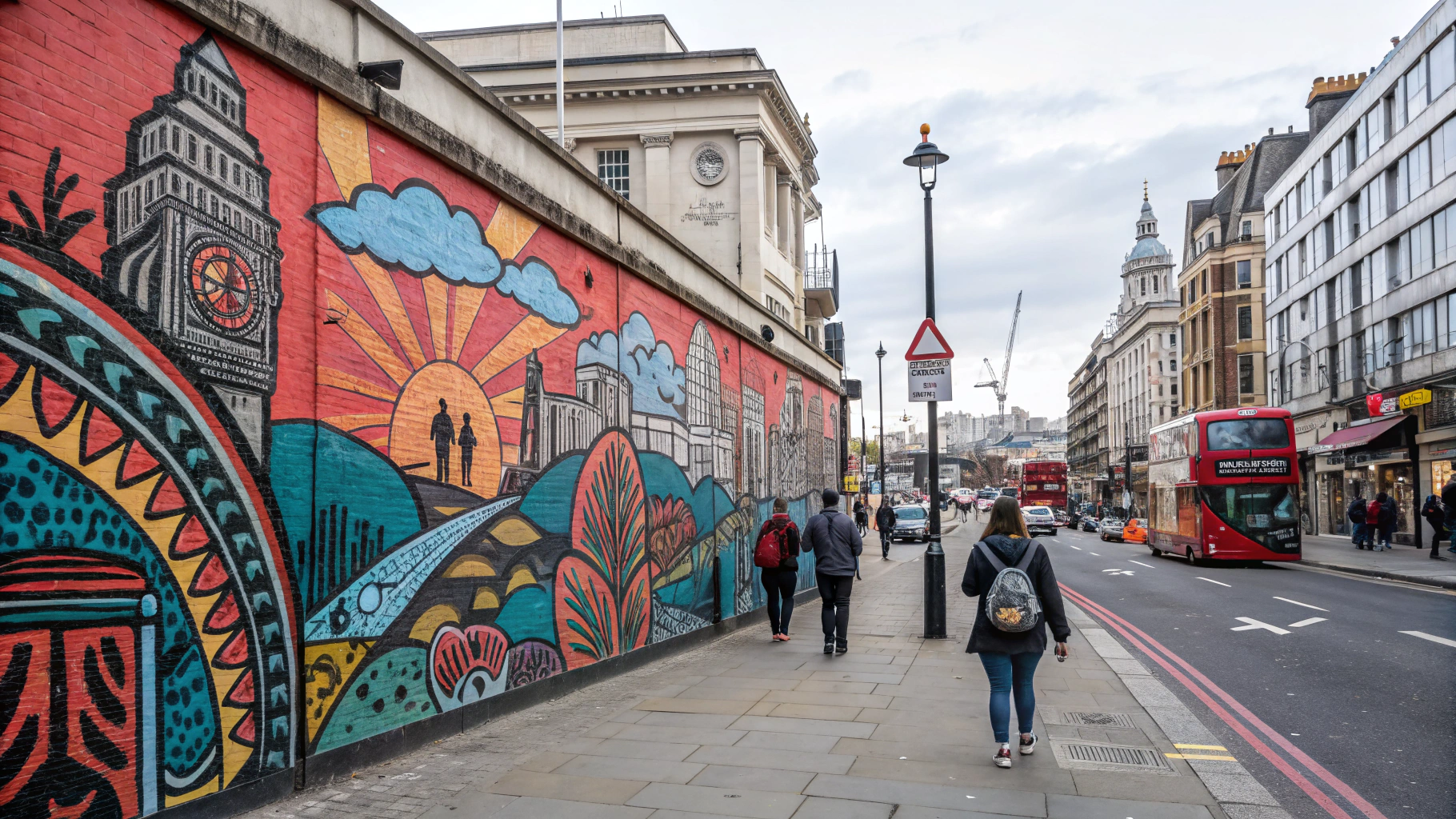
Have you ever wondered why London has become one of the world's most vibrant capitals for urban art, with over 8,000 documented murals and installations across its neighborhoods? The phenomenon of London street art has transformed ordinary walls, alleyways, and forgotten corners into an ever-evolving open-air gallery that attracts more than 2 million art enthusiasts annually. Unlike traditional museums with their velvet ropes and hushed atmospheres, this democratic art form breaks conventions, challenging our perception that meaningful artistic experiences require admission tickets or formal settings. From Shoreditch's colorful expressions to Camden's punk-inspired pieces, London's concrete canvas tells stories of political resistance, cultural celebration, and urban regeneration that traditional galleries rarely capture.
Destination Overview
London's street art scene spans dozens of neighborhoods, each with its distinct artistic personality. Shoreditch stands as the undisputed epicenter, where approximately 70% of the city's most photographed murals are located. The famous Brick Lane and its surrounding streets host works by globally renowned artists like Banksy, ROA, and Ben Eine, whose alphabet shopfront shutters have become iconic symbols of the area.
Neighboring Hackney Wick offers a more experimental approach, with an estimated 40+ artist studios and collectives using the industrial landscape as their playground. Camden's punk heritage influences its urban art with bold, countercultural themes, while Leake Street Tunnel near Waterloo Station—London's only legal graffiti wall—refreshes its 300 meters of available space almost daily. These areas sit alongside traditional attractions like the Tate Modern, creating a fascinating juxtaposition between institutional and street-level creativity.
Best Time to Visit
The london street art tour experience varies significantly throughout the year:
Spring (April-June): Optimal conditions with 12-15°C temperatures, extended daylight hours, and 33% fewer tourists than summer months. Many artists create new works during this period, with an average of 120 new significant pieces appearing citywide.
Summer (July-August): Peak tourism season with 25-30°C temperatures, creating comfortable viewing conditions but drawing 40% more visitors to popular areas like Shoreditch. Street art festivals like the annual "London Mural Festival" typically occur in late August, adding 15-20 major commissioned works.
Fall (September-October): The second-best period with pleasant 10-18°C temperatures and 22% lower accommodation costs than summer. Artists often complete pre-winter commissions during these months.
Winter (November-February): For dedicated art explorers only, with 2-8°C temperatures and limited daylight. However, hotel rates drop by 35% compared to summer, and popular tour routes have 60% fewer visitors.
How to Get There
London's comprehensive transportation network makes accessing street art hotspots straightforward:
By Underground: The most efficient method for area-hopping. Key stations include Shoreditch High Street (Overground) for Brick Lane and Shoreditch, Camden Town for Camden's scene, and Waterloo for Leake Street Tunnel. A day travel card costs £14.40 and allows unlimited journeys.
By Bus: Routes 55, 243, and 149 service Shoreditch; route 29 for Camden. Bus travel offers better views of passing street art at £5.00 for unlimited daily trips.
By Bicycle: London's Santander Cycles (£2 access fee plus usage charges) provide excellent mobility between art districts, with over 750 docking stations throughout the city.
Dedicated Apps: Download Citymapper for navigation, with a special "Street Art London" layer showing recognized murals and their exact locations.
Step-by-Step Itinerary
Day 1: Shoreditch Immersion
Morning (9:00 AM - 12:00 PM): Begin at Shoreditch High Street station, heading directly to Brick Lane. Spend three hours exploring the main thoroughfare and side streets like Hanbury Street, where approximately 40 significant murals exist within a 500-meter radius.
Afternoon (1:00 PM - 5:00 PM): After lunch at Brick Lane Market, continue to Redchurch Street and Great Eastern Street, home to larger commissioned pieces by international artists. Don't miss the rotating murals at Village Underground, which change quarterly.
Evening (6:00 PM - 8:00 PM): Finish at BOXPARK Shoreditch, where street art aesthetics blend with retail and dining experiences, offering perfect Instagram moments as the evening light creates dramatic shadows.
Day 2: Beyond the Core
Morning (10:00 AM - 1:00 PM): Take the Overground to Hackney Wick to explore its post-industrial landscape featuring large-scale murals along the canal. These works average 30% larger than those in central areas.
Afternoon (2:00 PM - 5:00 PM): Head to Camden Town to witness how street art reflects the area's musical heritage, with an estimated 65% of works referencing music icons or counterculture.
Evening (6:00 PM - 7:30 PM): Conclude at Leake Street Tunnel, where you might witness artists actively creating new works—approximately 15% of visitors report seeing live painting sessions.
Where to Stay
Budget-Conscious: The Dictionary Hostel in Shoreditch offers beds from £20 per night with the advantage of being surrounded by street art. Nearby, Point A Hotel Liverpool Street provides private rooms from £65 with 8.3/10 guest ratings.
Mid-Range: CitizenM Shoreditch places you in the heart of the street art district with rooms from £120 featuring panoramic windows overlooking decorated buildings. The Hoxton Shoreditch (from £165) incorporates street art aesthetics into its lobby and common areas.
Luxury Experience: The Boundary Project (from £220) includes a rooftop offering 360° views of Shoreditch's artistic landscape, while Nobu Hotel Shoreditch (£280+) has commissioned several exterior and interior murals by local artists.
Food to Try
While exploring London's urban canvas, fuel your adventure with:
Street Food Markets: Brick Lane Sunday Market offers 80+ global food stalls. Pop Brixton and BOXPARK feature rotating food concepts in shipping containers adorned with murals.
Art-Themed Cafés: Cereal Killer Cafe on Brick Lane blends nostalgia with street culture, while Appestat in Islington displays rotating exhibitions by the same artists who paint the surrounding streets.
Local Favorites: Dishoom (Shoreditch) serves Bombay-inspired cuisine in a space featuring commissioned interior murals, while Lantana Cafe offers Australian brunch dishes surrounded by constantly changing artwork.
Best Photo Spots
Ebor Street: Home to the iconic "Let's Adore and Endure Each Other" mural by Eine, which receives approximately 1,200 Instagram tags weekly.
Chance Street: Features works by Zabou with dramatic lighting between 3-5 PM when sunlight creates optimal contrast.
Fashion Street: The colorful bird murals by Brazilian artist Mateus Bailon offer vivid composition opportunities, particularly effective with wide-angle lenses.
Leake Street Tunnel: For dramatic, moody shots with interesting artificial lighting. The constant evolution means no two visits yield identical photos.
Common Travel Mistakes to Avoid
Following Outdated Guides: Street art is ephemeral—approximately 30% of notable works are replaced or painted over annually. Use real-time apps or join guided tours for current locations.
Ignoring Weather Conditions: Rainy days make streets slippery but offer reflective photography opportunities. Carry weatherproof gear during London's frequent showers.
Missing Context: Without understanding the political or social commentary behind pieces (especially Banksy works), visitors miss approximately 60% of the intended message.
Touching Artwork: Fresh pieces can take up to 48 hours to fully dry. Respect artists' work by maintaining a safe distance.
Conclusion
London street art continues to evolve as one of the city's most dynamic cultural expressions, reflecting its diverse communities and constantly shifting urban identity. Whether you're a dedicated art enthusiast or simply seeking a different perspective on the city, the concrete galleries of London offer an accessible, authentic experience that connects visitors to the pulse of contemporary urban life. As you plan your exploration, remember that the impermanence of street art makes each visit unique—what you witness today might be transformed tomorrow, making every london street art tour a truly unrepeatable experience.
FAQs
Is it legal to photograph street art in London?
Yes, photographing street art in public spaces is generally legal, though commercial usage may require permission. Approximately 94% of London street artists welcome photo documentation of their work as it extends their audience reach.
How often does the street art change?
In high-turnover areas like Shoreditch, approximately 25-30% of works change quarterly. Commissioned murals typically remain for 6-18 months, while Leake Street Tunnel can transform completely within weeks.
Are guided tours worth the cost?
With prices ranging from £15-£25, guided tours provide access to hidden pieces and artist background information that self-guided explorations often miss. Tour participants report discovering 40% more significant works than independent visitors.
Is London's street art scene safe for solo travelers?
Yes, the main street art districts report crime rates 15% lower than the London average due to increased foot traffic and community presence. However, standard urban precautions are recommended, especially when photographing in less frequented areas.