

Introduction
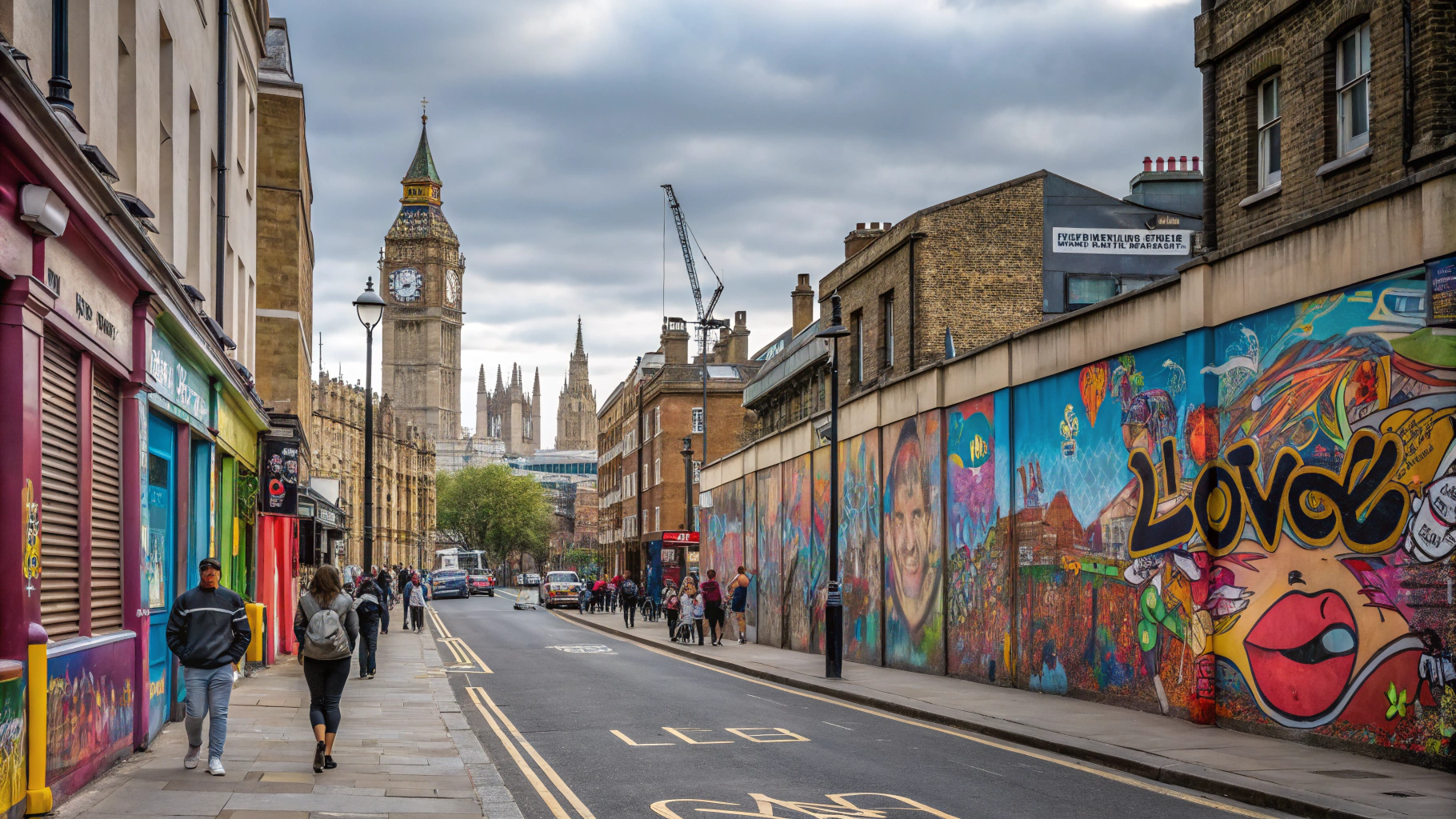
Did you know that London hosts over 8,000 pieces of street art, with nearly 40% changing every month? This constant evolution makes London street art one of the world's most dynamic urban art scenes. Far from the graffiti stereotypes of decades past, today's street art transforms neglected spaces into thought-provoking canvases that challenge our perception of public spaces and democratize art appreciation. Unlike traditional galleries, these open-air exhibitions are accessible 24/7 and completely free, revolutionizing how we experience creativity in urban settings.
What started as underground rebellion has evolved into a legitimate art form that draws thousands of art enthusiasts to the city annually, specifically seeking these colorful urban expressions.
The Street Art Landscape of London
London's urban art scene has transformed numerous neighborhoods, with Shoreditch, Camden, and Hackney emerging as epicenters for creative expression. The city's unique approach to street art combines British wit with international influences, creating a distinctly London aesthetic that comments on everything from politics to pop culture.
What makes London's scene particularly special is the diversity of techniques on display – from massive murals and stencil work to paste-ups and 3D installations. This variety reflects the city's multicultural identity, with artists from over 60 countries contributing to the urban canvas.
The street art phenomenon has revitalized once-overlooked areas, with Brick Lane seeing a 35% increase in foot traffic and local business revenue since becoming a street art hotspot. These vibrant masterpieces not only beautify the urban landscape but have become legitimate tourist attractions in their own right.
Best Time to Experience Street Art
While London's street art can be appreciated year-round, timing your visit can significantly enhance your experience. Summer months (June-August) offer extended daylight hours for exploration, but coincide with peak tourist season, increasing crowds by approximately 40% compared to shoulder seasons.
For photographers, the soft light of early morning (7-9am) provides ideal conditions for capturing vibrant colors without harsh shadows or crowds. Taking a london street art tour during April-May or September-October offers the perfect balance of good weather and manageable visitor numbers – accommodation prices are typically 20-30% lower than summer peaks.
Street art festivals like the annual Upfest (July) and Moniker Art Fair (October) bring fresh installations and live painting demonstrations, making these periods particularly dynamic for art enthusiasts.
How to Navigate the Street Art Scene
London's comprehensive public transportation system makes accessing major street art hubs straightforward. The Underground connects most areas, with Old Street station providing ideal access to Shoreditch's art scene, while Camden Town station serves the northern creative districts.
For a self-guided experience, numerous free street art map apps have emerged, with Street Art Cities and London Mural Map offering continuously updated locations and artist information. These technologies have democratized access to art knowledge, with 75% of visitors now using digital tools to enhance their experience.
For deeper insights, specialized walking tours range from £15-25 per person, offering expert commentary and access to lesser-known spots. These guided experiences typically last 2-3 hours and provide cultural context that self-guided tours might miss.
Step-by-Step Street Art Itinerary
Day 1: Shoreditch and Brick Lane
Begin your journey at Shoreditch High Street station, heading toward Redchurch Street where you'll encounter works by international artists like Ben Eine and ROA. Follow the vibrant trail to Brick Lane, where nearly every available wall showcases creative expression. The constantly rotating art in this area means no two visits are ever the same.
Pause for lunch at Brick Lane Market, where street food vendors offer global cuisine against a backdrop of colorful murals. Spend your afternoon exploring the side streets around Fashion Street and Hanbury Street, home to some of the area's most photographed pieces.
Day 2: Camden and Kings Cross
Start your day exploring Camden's eclectic art scene, beginning at the Camden Lock Market where large-scale murals blend seamlessly with the area's alternative culture. Follow the Regent's Canal towpath toward Kings Cross, where the contrast between industrial heritage and contemporary art creates a fascinating visual dialogue.
The Granary Square area showcases how street art has been incorporated into urban regeneration, with commissioned works adorning former warehouse districts. The transformation of this once-neglected area demonstrates how street art contributes to placemaking and community identity.
Where to Stay for Art Enthusiasts
Budget-friendly: Generator Hostel in Kings Cross (from £25/night) places you strategically between multiple art districts with excellent transport connections.
Mid-range: The Hoxton in Shoreditch (from £120/night) immerses you directly in the heart of London's street art epicenter, with some rooms featuring views of nearby murals.
Luxury experience: Citizen M Shoreditch (from £200/night) offers design-forward accommodation with curated art books and neighborhood guides for the aesthetically inclined traveler.
For longer stays, consider art-focused Airbnb options in Hackney Wick, where many working artists live and create, offering authentic neighborhood experiences.
Photography Tips and Best Spots
Capturing London's street art effectively requires some planning. The iconic Banksy pieces require early morning visits to avoid crowds – his "Designated Graffiti Area" in Shoreditch sees approximately 300 visitors daily. For dramatic urban compositions, the contrast between Victorian architecture and contemporary art along Fashion Street offers compelling framing opportunities.
The ever-changing nature of street art means some pieces may disappear overnight – approximately 30% of works are painted over within three months. This ephemeral quality makes documentation particularly valuable, with many artists encouraging social media sharing using neighborhood-specific hashtags.
Common Mistakes to Avoid
Many visitors make the error of limiting their exploration to famous pieces, missing the emerging talents and experimental work in transitional neighborhoods like Leyton and Peckham. Another common mistake is neglecting permission etiquette – while photography for personal use is generally acceptable, commercial applications require artist consent.
Timing errors can diminish the experience substantially: arriving at popular spots like Brick Lane between 12-2pm on weekends means navigating crowds up to 70% larger than early morning or weekday visits.
Conclusion
London street art represents more than colorful walls – it's a dynamic conversation between artists, communities, and urban space that continues to evolve. By experiencing this open-air gallery, visitors gain insight into London's contemporary cultural identity beyond the traditional tourist attractions.
Whether you're capturing the perfect Instagram moment or reflecting on powerful political statements, the city's street art scene offers something meaningful for every visitor. The next time you're planning a London visit, consider dedicating time to exploring this accessible art form that continues to transform the urban landscape one wall at a time.
FAQs
Is it legal to create street art in London?
Street art exists in a legal gray area – while unauthorized painting remains technically illegal, many areas now have sanctioned walls and commissioned murals. Areas like Leake Street Tunnel offer legal painting spaces.
How often does the street art change?
The turnover rate is remarkably high – approximately 40% of pieces change monthly, with high-profile areas seeing even faster rotation. This makes repeat visits rewarding as the landscape constantly evolves.
Are there guided tours available for street art exploration?
Yes, numerous specialized london street art tour options exist, ranging from large group walks to private photography-focused experiences, typically priced between £15-35 per person.
Who are the most famous street artists working in London?
Beyond Banksy, look for works by Stik (known for stick figure characters), Jimmy C (pointillist portraits), and Zabou (hyperrealistic murals) among dozens of recognized artists maintaining regular presence in the city.