

Introduction
Did you know that birmingham city centre receives over 42 million visitors annually, yet most travelers only experience about 20% of what this vibrant metropolis has to offer? While the iconic Bullring shopping center draws crowds, the true essence of Birmingham lies in its lesser-known corners, historic passages, and local haunts that even many residents haven't fully explored.
Birmingham has transformed dramatically over the past decade, evolving from its industrial roots into a cultural powerhouse with award-winning dining, innovative arts spaces, and charming canal-side districts. But beyond the polished facades of the main shopping districts lies a city with secrets waiting to be discovered. From tucked-away Victorian arcades to independent craft breweries and underground music venues, the hidden gems Birmingham city centre offers will transform your understanding of England's second city.
🗺️ Destination Overview
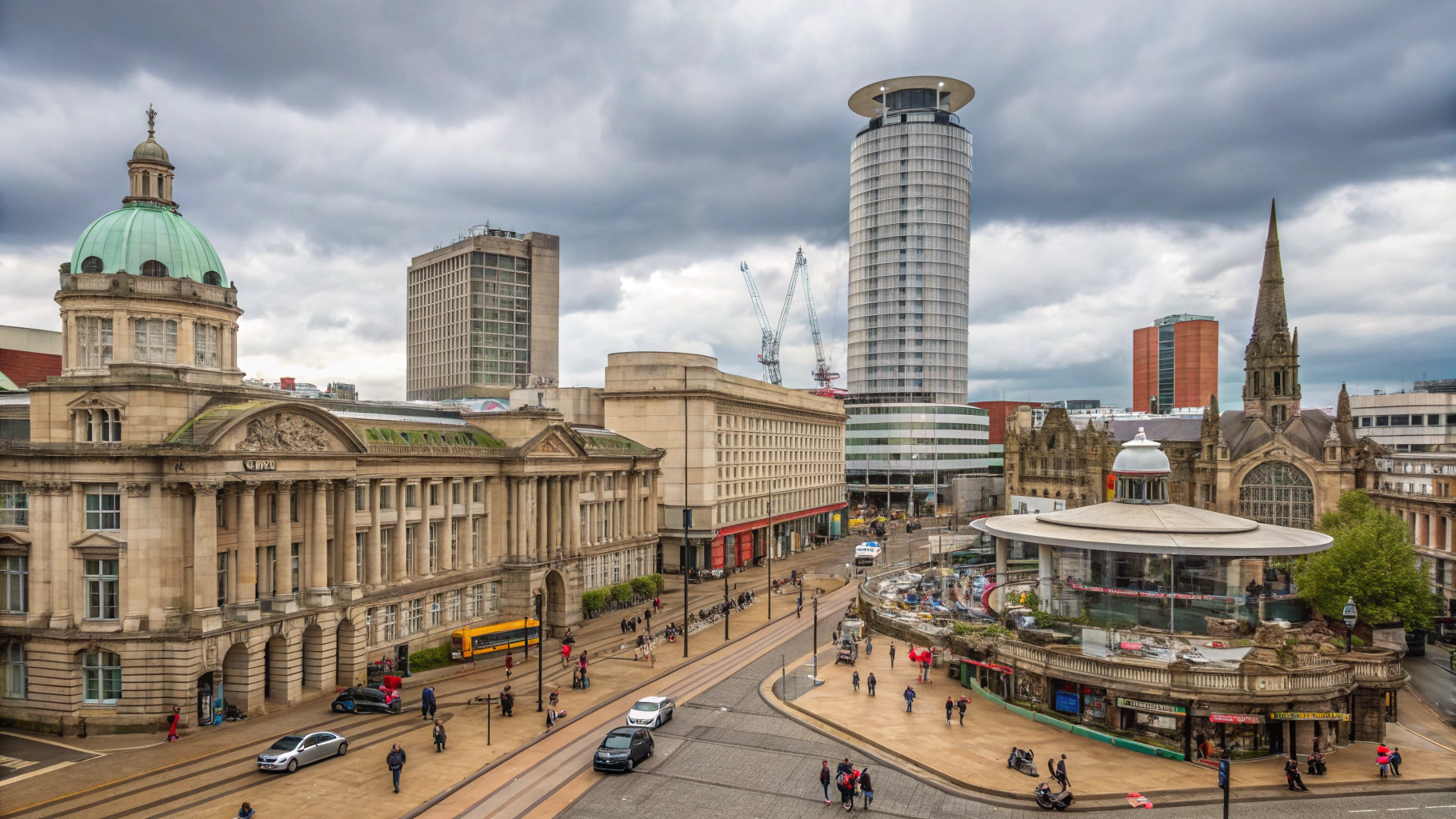
Birmingham's city centre is a fascinating blend of old and new – where grand Victorian architecture stands alongside sleek modern developments. As the UK's second-largest city, Birmingham's compact center makes it surprisingly walkable, with most attractions within a 20-minute stroll of each other.
The city is famous for having more canals than Venice (35 miles compared to Venice's 26), creating a network of waterways that once powered the industrial revolution and now provide scenic walking routes through the heart of the city. These canal paths connect the Jewellery Quarter, with its 250+ jewelry businesses, to the vibrant Digbeth area, now an emerging creative district filled with street art, independent shops, and trendy eateries.
Notable landmarks include the Library of Birmingham (Europe's largest public library), the striking Selfridges building with its curved façade of 15,000 aluminum discs, and Birmingham Cathedral with its Pre-Raphaelite stained-glass windows. Just beyond the immediate center lie Birmingham's Chinatown, the historic Custard Factory, and the peaceful oasis of St. Philip's Cathedral square.
🕐 Best Time to Visit
Birmingham's climate is typically British – moderate but changeable. For the optimal balance of pleasant weather and reasonable crowds, consider these seasonal insights:
Spring (March-May): Increasingly popular as accommodation rates are 15-20% lower than summer, with temperatures ranging from 10-17°C (50-63°F). The city blooms with spring flowers in its many parks, and events like the Birmingham International Dance Festival bring energy to public spaces.
Summer (June-August): Peak season with the warmest temperatures (15-22°C/59-72°F) and longest daylight hours, but hotel prices increase by approximately 25%. The city hosts numerous outdoor festivals including the Birmingham Pride (May) and Mostly Jazz Funk & Soul Festival (July).
Autumn (September-November): A local secret – September still offers mild weather (11-18°C/52-64°F) with 30% fewer tourists than August. The Birmingham Literature Festival and Birmingham Comedy Festival provide indoor entertainment as temperatures cool.
Winter (December-February): The renowned Frankfurt Christmas Market (the largest outside Germany) transforms the city center from mid-November through December. Hotel rates drop by up to 40% in January and February, though temperatures average 3-8°C (37-46°F) with increased rainfall.
Data Insight: According to tourism statistics, Tuesday through Thursday visits result in 15% shorter wait times at major attractions compared to weekends.
✈️ How to Get There
Birmingham's central location in England makes it exceptionally well-connected by various transportation options:
By Air: Birmingham Airport (BHX) serves over 150 direct destinations worldwide. The airport connects to birmingham city centre via the Air-Rail Link to Birmingham International Station (free, 2 minutes), followed by a 10-minute train journey to Birmingham New Street (approximately £3-5).
By Train: Birmingham New Street Station sits in the heart of the city center and serves as a major national rail hub. Journey times include:
- London: 1 hour 20 minutes (from £25 one-way with advance booking)
- Manchester: 1 hour 30 minutes (from £15 one-way)
- Edinburgh: 4 hours (from £40 one-way)
By Bus: National Express and Megabus offer budget-friendly connections to Birmingham Coach Station, a 10-minute walk from the city center. London to Birmingham journeys cost from £5-15 with advance booking.
Local Transport: Once in Birmingham, the Metro tram connects key areas, with a day pass costing £4. The Swift card (Birmingham's Oyster equivalent) offers the best value for multiple journeys. For eco-conscious travelers, the Voi e-scooters (£1 to unlock plus 15p per minute) provide a nimble way to explore the compact center.
Pro Tip: Download the 'Network West Midlands' app for real-time transport updates and the 'Droplet' app for cashless payments across local independent businesses.
📆 Step-by-Step Itinerary
Day 1: Cultural Immersion & City Core
Morning (9:00 AM - 12:00 PM)
Start at Victoria Square to admire the Town Hall and Council House before heading to the Library of Birmingham. Take the elevator to the 7th-floor Secret Garden for panoramic city views (free entry, but visit before 11:00 AM to avoid the midday rush).
Afternoon (12:30 PM - 5:00 PM)
Walk to the Birmingham Museum & Art Gallery to see the world's largest collection of Pre-Raphaelite paintings and the Staffordshire Hoard (allow 2 hours). Continue to the historic Jewellery Quarter for a guided tour of the Museum of the Jewellery Quarter (£7, last tour at 3:15 PM).
Evening (6:00 PM onward)
Dine at The Wilderness in the Jewellery Quarter, known for its innovative British cuisine, before enjoying jazz at the intimate Spotted Dog pub in Digbeth, where local musicians gather for jam sessions on Monday evenings.
Day 2: Hidden Passages & Modern Marvels
Morning (9:30 AM - 12:30 PM)
Explore the Great Western Arcade, a beautifully preserved Victorian shopping arcade. Visit Miss Macaroon for colorfully crafted macarons that support local youth employment programs. Continue to the hidden St. Paul's Square, Birmingham's last remaining Georgian square, and peek inside its 18th-century church.
Afternoon (1:00 PM - 5:30 PM)
Take a narrowboat tour along Birmingham's canals from Brindleyplace (£10, 45 minutes) to see the city from a unique perspective. Afterward, explore the Ikon Gallery (free entry) for contemporary art installations that change quarterly.
Evening (6:30 PM onward)
Head to the Custard Factory in Digbeth for dinner at Baked in Brick, followed by craft beers at Digbrew Co. If visiting Thursday through Saturday, check out Ghetto Golf for adults-only crazy golf in a graffiti-covered warehouse.
Day 3: Markets & Creative Quarters
Morning (8:30 AM - 12:00 PM)
Visit Birmingham's historic Bull Ring Markets (Open Market, Rag Market, and Indoor Market) to experience local life and browse everything from fresh produce to vintage clothing. These markets predate the shopping center by 800 years and offer authentic Birmingham character.
Afternoon (12:30 PM - 5:00 PM)
Explore Digbeth further with a self-guided street art tour (download the Digbeth Art Map app). Visit the Coffin Works museum (£7.50) for a fascinating glimpse into Victorian funeral traditions, then relax at Kilder Bar with its extensive craft beer selection.
Evening (6:00 PM onward)
Experience Birmingham's famous Balti Triangle for authentic Pakistani cuisine at Adil's (the original Balti restaurant). Finish with cocktails at The Pineapple Club in the Great Western Arcade, known for its creative concoctions using local spirits.
🛏️ Where to Stay
Luxury Options:
- The Grand Hotel Birmingham (from £150/night) – Recently restored Victorian landmark with opulent interiors and central location
- Hotel du Vin (from £120/night) – Boutique hotel in a former eye hospital in the Jewellery Quarter, featuring a French bistro and extensive wine cellar
Mid-Range Options:
- Staying Cool at Rotunda (from £90/night) – Stylish serviced apartments in an iconic cylindrical building offering panoramic city views and full kitchens
- Frederick Street Townhouse (from £85/night) – Boutique B&B in the Jewellery Quarter with individually designed rooms and excellent breakfast
Budget-Friendly Options:
- Selina Birmingham (from £60/night) – Design-forward hostel with private rooms and co-working space in the Jewellery Quarter
- Adagio Birmingham City Centre (from £65/night) – Modern aparthotel near New Street Station with kitchenettes ideal for longer stays
Family-Friendly Option:
- Premier Inn Birmingham City Centre (from £70/night) – Spacious family rooms within walking distance of major attractions and restaurants
🍽️ Food to Try
Birmingham's culinary scene is one of the UK's most diverse, with everything from Michelin-starred restaurants to authentic street food:
Must-Try Local Specialties:
- Balti Curry – Birmingham's signature dish, a fast-cooked curry served in the same thin steel bowl (balti) it's cooked in. Try it at Shababs in the Balti Triangle.
- Brummie Bacon Cakes – Traditional breakfast treats similar to pancakes with bacon pieces. Sample them at Medicine Bakery.
- Pork Scratchings – This pub snack originated in the Black Country. Find gourmet versions at The Wellington real ale pub.
- Cadbury Chocolate – Visit Cadbury World (15 minutes from the city center) to taste freshly made chocolate from Birmingham's famous factory.
Hidden Foodie Spots:
- Anderson & Hill in the Great Western Arcade – Artisan deli with local cheeses and cured meats
- Original Patty Men under a railway arch in Digbeth – Award-winning burgers in an industrial setting
- The Bartons Arms – Historic pub with ornate Victorian tiles serving authentic Thai food
- Faculty Coffee – Tiny specialty coffee shop producing some of the city's best brews
Food Markets:
- Digbeth Dining Club (Friday-Sunday) – Award-winning street food market with rotating vendors
- Birmingham Indoor Market – Fresh produce, spices, and international ingredients
📸 Best Photo Spots
Capture Instagram-worthy shots at these picturesque locations in birmingham city centre:
Classic Views:
- The curved façade of Selfridges building (best captured from Park Street at sunset)
- Library of Birmingham's intricate metal lattice exterior (most dramatic in late afternoon light)
- Gas Street Basin's colorful narrowboats (most photogenic at "golden hour," 1 hour before sunset)
Hidden Angles:
- Floodlit archways of the Mailbox complex reflected in the canal at night
- The Victorian ceiling of the Great Western Arcade (visit midweek for fewer crowds)
- St. Martin's Church framed by the modern Bullring (interesting juxtaposition of old and new)
Street Art Canvas:
- Digbeth's ever-changing murals (particularly around Gibb Street and Lower Trinity Street)
- The rainbow-painted railway bridge on Bordesley Street
- The Custard Factory's courtyard with its giant green man sculpture
Photography Tip: For canal photos without tourists, visit before 9:00 AM when the morning light creates beautiful reflections on the water.
⚠️ Common Travel Mistakes to Avoid
Navigation Errors:
- Mistake: Assuming New Street Station and the shopping center are the same place. Solution: They're connected but separate – follow signs carefully to avoid getting lost in the massive complex.
- Mistake: Underestimating walking distances between attractions. Solution: While the center is compact, comfortable shoes are essential as Birmingham has many hills and steps.
Transport Blunders:
- Mistake: Buying single tickets on local transport. Solution: Purchase a Swift card or day pass for significant savings if making multiple journeys.
- Mistake: Taking taxis during rush hour (8:00-9:30 AM and 4:30-6:30 PM). Solution: Use the Metro tram or walk, as traffic can add 40% to journey times.
Cultural Missteps:
- Mistake: Referring to locals as "Brummies" without context. Solution: While many embrace the term, some prefer "Birminghamians" – follow their lead.
- Mistake: Expecting Sunday shopping to start early. Solution: Most shops open 11:00 AM-5:00 PM on Sundays, with some smaller establishments remaining closed.
Dining Mishaps:
- Mistake: Not booking restaurants in advance, especially for Friday/Saturday evenings. Solution: Reserve tables 2-3 days ahead for popular venues like Opheem and The Wilderness.
- Mistake: Missing last food orders at pubs. Solution: Most kitchens close by 9:00 PM, even if the pub remains open for drinks.
🎒 Packing & Prep Tips
Weather Essentials:
- Layered clothing (Birmingham weather can change rapidly)
- Compact umbrella (the city experiences 150+ rainy days annually)
- Waterproof footwear for exploring canal paths
- Sunscreen during summer (UV index can be deceptively high even on cloudy days)
Technology & Connectivity:
- Power adapter (UK uses 3-pin plugs, 230V)
- Portable phone charger (useful for navigation and photos)
- Download offline maps as backup (Google Maps offers this feature)
- Consider a UK SIM card for data (available at the airport from £10)
Documents & Money:
- Store digital copies of important documents in a cloud service
- Contactless payment cards (Birmingham is increasingly cashless)
- Some small cash for independent market vendors
- Student ID if applicable (many attractions offer discounts)
Local Etiquette Preparation:
- Basic queuing etiquette (Brits take this seriously!)
- Familiarize yourself with tipping customs (10-15% in restaurants is standard)
- Learn basic canal path rules (cyclists give way to pedestrians)
🧠 Local Tips & Cultural Insights
Speaking Like a Local:
- "Bab" is a term of endearment similar to "love" or "dear" used by older Brummies
- "Island" refers to roundabouts (traffic circles)
- "Gas Street" doesn't refer to petrol but to the historic gasworks area
- A "cob" is a bread roll, and "pop" refers to carbonated drinks
Cultural Know-How:
- Birmingham has one of the youngest populations in Europe, with under-25s making up nearly 40% of residents
- The city is incredibly diverse, with over 180 nationalities represented
- Local pride in Birmingham's industrial heritage remains strong – showing interest in this history is appreciated
- Despite stereotypes, the distinctive "Brummie" accent is consistently voted one of the friendliest in the UK
Etiquette Tips:
- Queue patiently (line up) for everything from bus stops to bar service
- When using canal towpaths, keep left and be aware of cyclists
- A simple "Cheers" works as both "thank you" and "goodbye" in casual settings
- Punctuality is valued – arrive on time for tours, reservations, and meetups
🔁 Trip Extensions & Nearby Places
Enhance your Birmingham adventure with these worthwhile excursions:
Stratford-upon-Avon (40 minutes by train)
Shakespeare's birthplace offers Tudor architecture, the Royal Shakespeare Company performances, and riverside walks. Direct trains run hourly from Moor Street Station (from £8 return).
The Black Country Living Museum (25 minutes by train + 10-minute walk)
This open-air museum recreates life in the industrial West Midlands with authentic buildings, costumed demonstrators, and traditional workshops. Take the train to Tipton Station (£5 return).
Lickey Hills Country Park (30 minutes by train)
Escape to this 524-acre park with panoramic views across Birmingham and surrounding counties. Access via train to Barnt Green station (£4 return) plus a 20-minute walk.
Warwick Castle (35 minutes by train)
One of England's most impressive medieval castles with daily shows, tours, and activities. Direct trains from Moor Street Station (from £10 return).
Cadbury World (25 minutes by train)
Chocolate lovers shouldn't miss this attraction showcasing the history of Britain's favorite chocolate brand, with generous samples included. Take the train to Bournville Station (£3 return).
🧳 Conclusion
Hidden gems Birmingham city centre offers reveal a city of contrasts – where industrial heritage meets cutting-edge design, traditional markets thrive alongside contemporary art spaces, and centuries-old canals wind past futuristic architecture. Beyond the familiar landmarks lies a Birmingham that rewards curious travelers with authentic experiences, cultural diversity, and warm Midlands hospitality.
Whether you're sampling a traditional Balti curry, discovering Victorian arcades, or admiring world-class street art in Digbeth, Birmingham offers layers of discovery that extend far beyond shopping at the Bullring. As England's second city continues its renaissance, now is the perfect time to explore its revitalized neighborhoods, thriving food scene, and rich cultural tapestry.
Ready to discover Birmingham's hidden side? Start planning your trip, pack your walking shoes, and prepare to be surprised by this underrated British destination. Your adventure through the real Birmingham awaits!
❓FAQs
Is Birmingham city centre safe for solo travelers?
Yes, Birmingham city centre is generally safe for solo travelers, with well-lit streets and good public transport connections. As with any major city, exercise normal precautions like avoiding isolated areas late at night and keeping valuables secure. The areas around New Street Station, Brindleyplace, and the Jewellery Quarter are particularly safe and well-monitored.
How much does a typical 3-day trip to Birmingham cost?
A mid-range 3-day trip typically costs £350-450 per person, including £80-120 per night for accommodation, £30-40 daily for meals, £15-20 daily for attractions, and £10-15 daily for local transport. Budget travelers can reduce costs to around £200-250 by choosing hostel accommodation (from £25/night) and taking advantage of Birmingham's many free attractions.
What language do locals speak in Birmingham?
English is the primary language, though Birmingham's distinctive "Brummie" accent may take some adjustment for international visitors. Due to the city's multicultural population, you'll also hear Punjabi, Urdu, Bengali, and Polish in certain neighborhoods. Most service staff in tourist areas speak clear English and are accustomed to international visitors.
Can I explore Birmingham city centre without a car?
Absolutely! A car is unnecessary and often inconvenient in Birmingham city centre. The compact nature of the central area makes walking the best option for most attractions, with trams, buses, and taxis readily available for longer journeys. Parking is expensive (£15-25 daily) and traffic can be congested, especially during rush hours.
What are the must-try food experiences in Birmingham?
Don't miss trying an authentic Balti curry in the Balti Triangle, sampling craft beers in Digbeth's microbreweries, experiencing afternoon tea at the Grand Hotel, exploring the diverse offerings at Digbeth Dining Club, and tasting locally-made chocolate at the independent Cocoa by Ali. Birmingham boasts five Michelin-starred restaurants if you're looking for fine dining experiences.