

Introduction
Did you know that hidden within the bustling medina of Marrakech lies a historic Jewish quarter with over 500 years of rich cultural heritage? Mellah Marrakech remains one of Morocco's most overlooked cultural treasures, with studies showing that less than 20% of visitors to Marrakech ever venture into this fascinating district. While most travelers flock to the famous Jemaa el-Fnaa square and souks, this walled neighborhood tells a completely different story of Morocco's diverse past. The mellah marrakech morocco was established in the 16th century, making it one of the oldest Jewish quarters in North Africa. What appears at first as just another section of the ancient city unfolds into an architectural wonderland that challenges everything you thought you knew about Moroccan culture.
Destination Overview
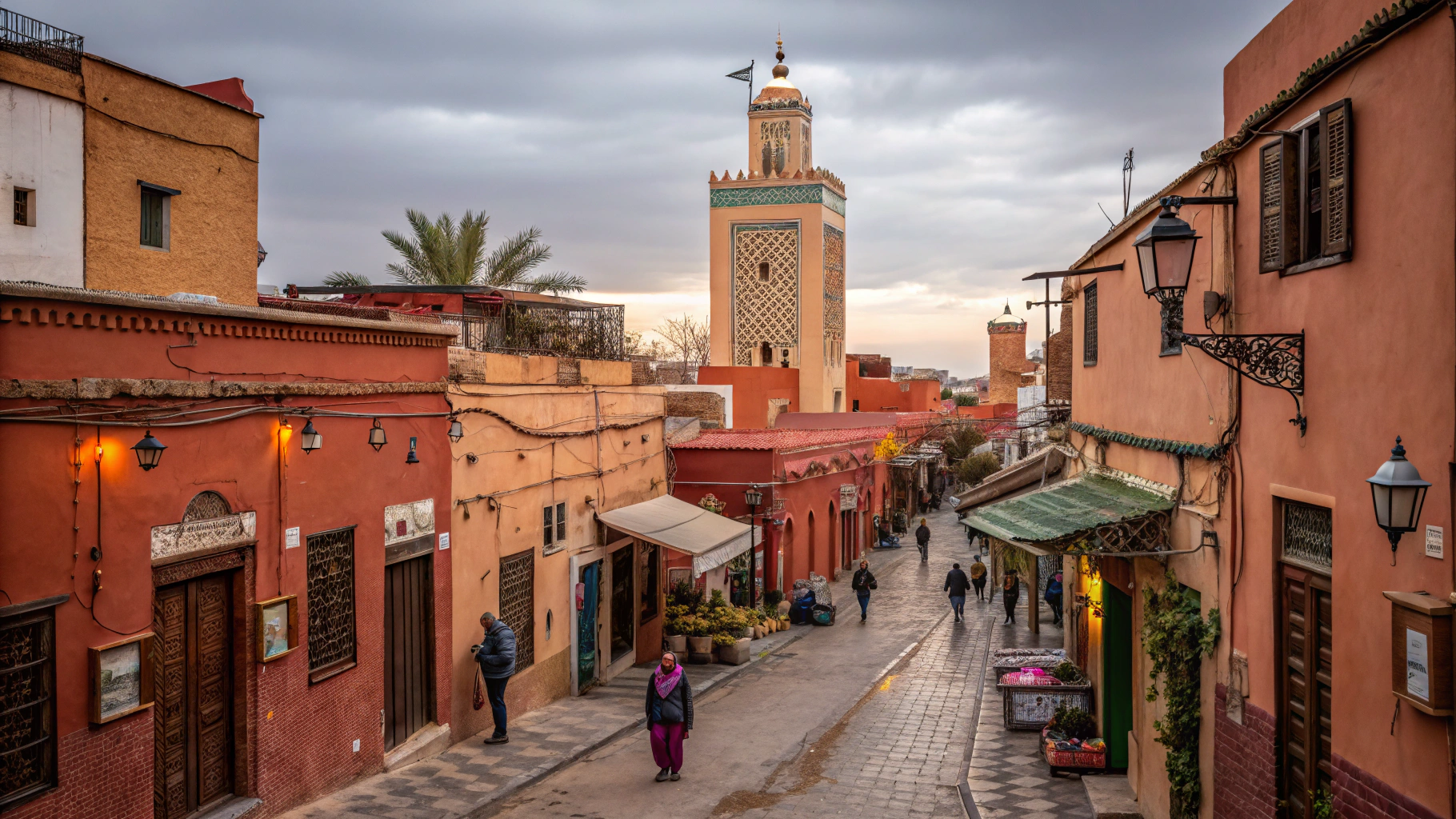
The Mellah of Marrakech occupies the southeastern corner of the medina, recognizable by its distinctive architecture featuring balconies and windows facing the street—a stark contrast to traditional Moroccan homes with their enclosed courtyards. Once home to over 50,000 Jewish residents, today the neighborhood houses primarily Muslim families, though the Jewish heritage remains visible throughout.
Key landmarks include the restored Slat Al Azama Synagogue, the expansive Jewish Cemetery (the largest in Morocco), and the vibrant spice markets that continue the area's trading tradition. What makes the Mellah truly unique is how it represents Morocco's multicultural history, with Islamic and Jewish influences coexisting in remarkable harmony.
Just a short walk from the Mellah, you'll find the majestic Bahia Palace and the ruins of El Badi Palace, making this area a concentrated hub of historical significance.
Best Time to Visit
Visiting the Mellah Marrakech requires strategic timing to balance comfort, affordability, and authentic experiences:
Spring (March-May): Ideal temperatures (65-80°F/18-27°C) and blooming gardens make this the perfect time. Visitor data shows Mellah tours are 30% less crowded than in summer, while accommodation remains 15-20% cheaper than peak season.
Fall (September-November): Similar benefits to spring but with the added charm of harvest season activities. October averages just 4 rainy days, compared to December's 9 days.
Winter (December-February): Daytime temperatures remain mild (60-70°F/15-21°C), but evenings can drop to 40°F/4°C. The benefit? Hotel rates drop by up to 40%, and you'll experience more authentic interactions with locals.
Summer (June-August): Generally best avoided as temperatures regularly exceed 100°F/38°C, making exploration uncomfortable. If summer is unavoidable, schedule Mellah visits before 10 AM.
How to Get There
Reaching the Mellah Marrakech is straightforward once you're in the city:
From Jemaa el-Fnaa: A 15-minute walk southeast through the souks. Follow signs to Bahia Palace, and you'll find the Mellah entrance nearby.
By Petit Taxi: Costs approximately 20-30 dirhams ($2-3) from most parts of the New City. Ask to be dropped at "Riad Zitoun Lakdim" near the Bahia Palace.
Guided Walking Tours: For around 200-350 dirhams ($20-35) per person, specialized Jewish heritage tours provide historical context and access to otherwise overlooked sites.
Pro tip: Download the "Maps.me" app before your visit, as it works offline and marks the Mellah boundaries more clearly than Google Maps.
Step-by-Step Itinerary
Morning: Jewish Heritage Exploration
Start your day at 9:00 AM at the Slat Al Azama Synagogue (entry: 20 dirhams), one of Morocco's most beautiful Jewish places of worship. The blue and white interior, intricate tilework, and Torah scrolls offer fascinating insight into Moroccan-Jewish aesthetics. By arriving early, you'll likely have the place to yourself for at least an hour.
At 10:30 AM, visit the adjacent Jewish Cemetery, where thousands of white stone graves tell stories of generations past. The caretaker often offers informal tours for a small tip (50 dirhams suggested).
Afternoon: Markets and Architecture
After lunch, spend 2-3 hours wandering the Mellah's distinctive streets. Unlike the tourist-focused main souks, the Mellah markets cater primarily to locals. The spice market here offers prices typically 15-25% lower than in the main tourist areas, with vendors more willing to explain traditional uses rather than just make a quick sale.
Notice the distinctive architecture as you walk—the wrought-iron balconies and street-facing windows were revolutionary in their time, reflecting the different social customs of the Jewish community compared to traditional Islamic design.
Where to Stay
While few accommodations exist within the Mellah itself, staying nearby offers easy access:
Budget: Riad Dar Tayib (from $40/night) sits just at the edge of the Mellah and offers authentic charm with modern necessities.
Mid-Range: Riad Kasbah ($80-120/night) near Bahia Palace balances luxury and value with its rooftop terrace overlooking the Mellah.
Luxury: La Sultana Marrakech ($250+/night) delivers five-star opulence within walking distance, with its hammam and pool offering welcome respite after exploring.
Families might prefer the slightly more spacious accommodations in the nearby Kasbah area, while solo travelers often enjoy the social atmosphere of riads near Riad Zitoun Lakdim street.
Food to Try
The Mellah's culinary scene reflects its multicultural heritage:
Dafina: This traditional Sabbath stew resembles Moroccan tagine but incorporates Jewish dietary laws. Try it at Restaurant Al Fassia (reservation recommended).
Sfenj: Jewish-Moroccan doughnuts found in morning street carts throughout the area—lighter and less sweet than Western counterparts.
Couscous with Seven Vegetables: While common throughout Morocco, the Mellah version often includes symbolic ingredients. Friday lunches at Café Clock feature excellent renditions.
The Mellah Spice Market is worth a dedicated visit—the vanilla pods here cost approximately 60% less than in European markets, and the saffron is among Morocco's finest.
Best Photo Spots
Capture the essence of the Mellah at these photogenic locations:
Synagogue Courtyard: Morning light streams beautifully through the arched windows around 9:30-10:30 AM.
Cemetery Overlook: The rooftop of Café de la Poste offers a respectful vantage point of the vast white cemetery stones against the Atlas Mountains backdrop.
Spice Pyramids: The meticulously arranged spice displays create vibrant color palettes unique to Moroccan photography.
Balconied Streets: The narrow lane of Rue du Mellah captures the distinctive architecture, best photographed in the golden hour light (around 5 PM).
Conclusion
The Mellah Marrakech stands as living testimony to Morocco's diverse cultural tapestry, where Jewish and Islamic influences have created something uniquely Moroccan. While it may not feature on typical tourist itineraries, this historic quarter rewards the curious traveler with authentic experiences, architectural surprises, and a deeper understanding of Moroccan history. As you plan your Marrakech adventure, consider dedicating at least half a day to this remarkable neighborhood—it might just become the highlight of your Moroccan journey.
FAQs
Is the Mellah Marrakech safe for solo female travelers?
Yes, the Mellah is generally safe and often less crowded than other parts of the medina. As anywhere in Marrakech, modest dress is recommended, and basic precautions should be taken, especially after dark.
How much time should I allocate to visit the Mellah?
A minimum of 3-4 hours is recommended to appreciate the main sites, though history enthusiasts could easily spend a full day exploring the quarter and its immediate surroundings.
Are there still Jewish residents in the Mellah?
Very few Jewish families remain in the Mellah today. Morocco's Jewish population has declined from approximately 250,000 in the 1940s to fewer than 2,500 nationwide today, with most having emigrated to Israel, France, and Canada.
Do I need a guide to visit the Mellah?
While not essential, a knowledgeable guide can transform your experience by providing historical context and access to locations not obvious to independent travelers. Specialized Jewish heritage guides typically charge 300-500 dirhams for a half-day tour.